
Last updated November 25, 2026
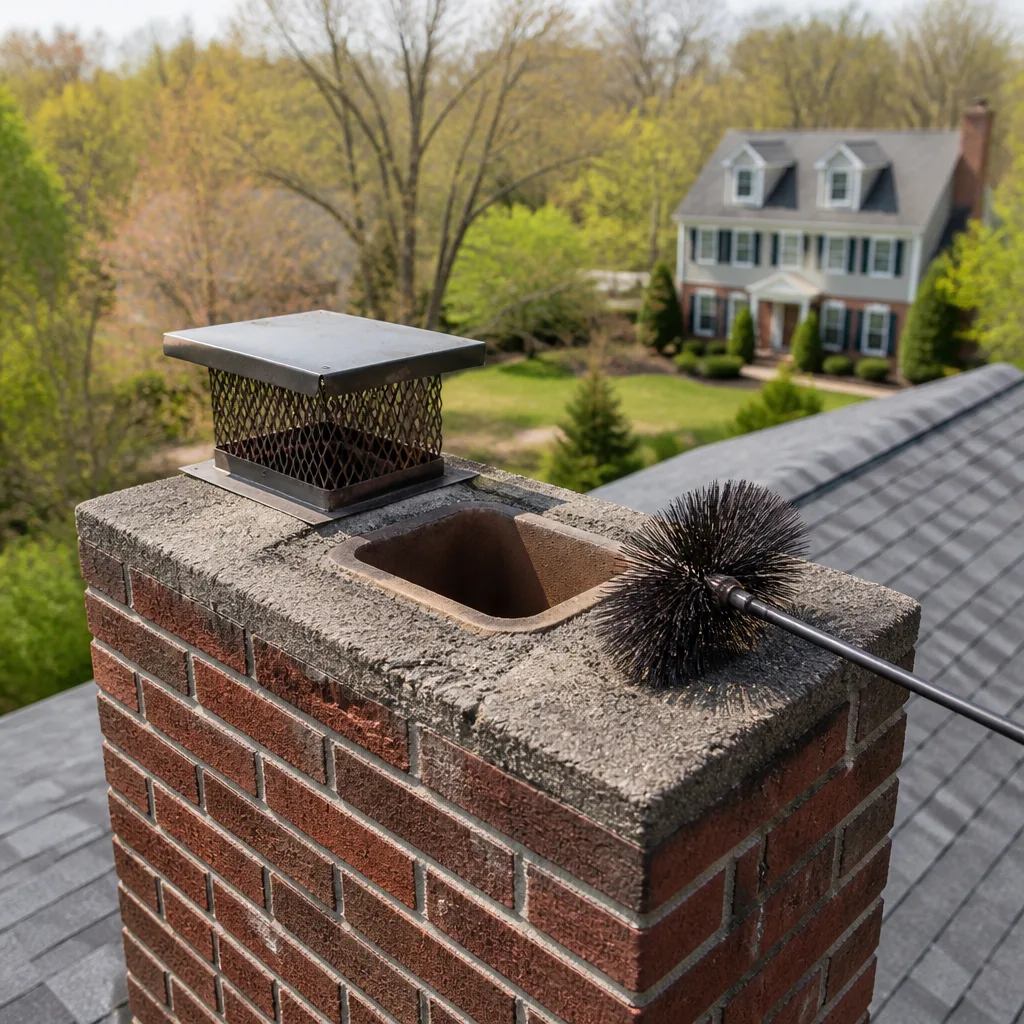 Sweep & inspection
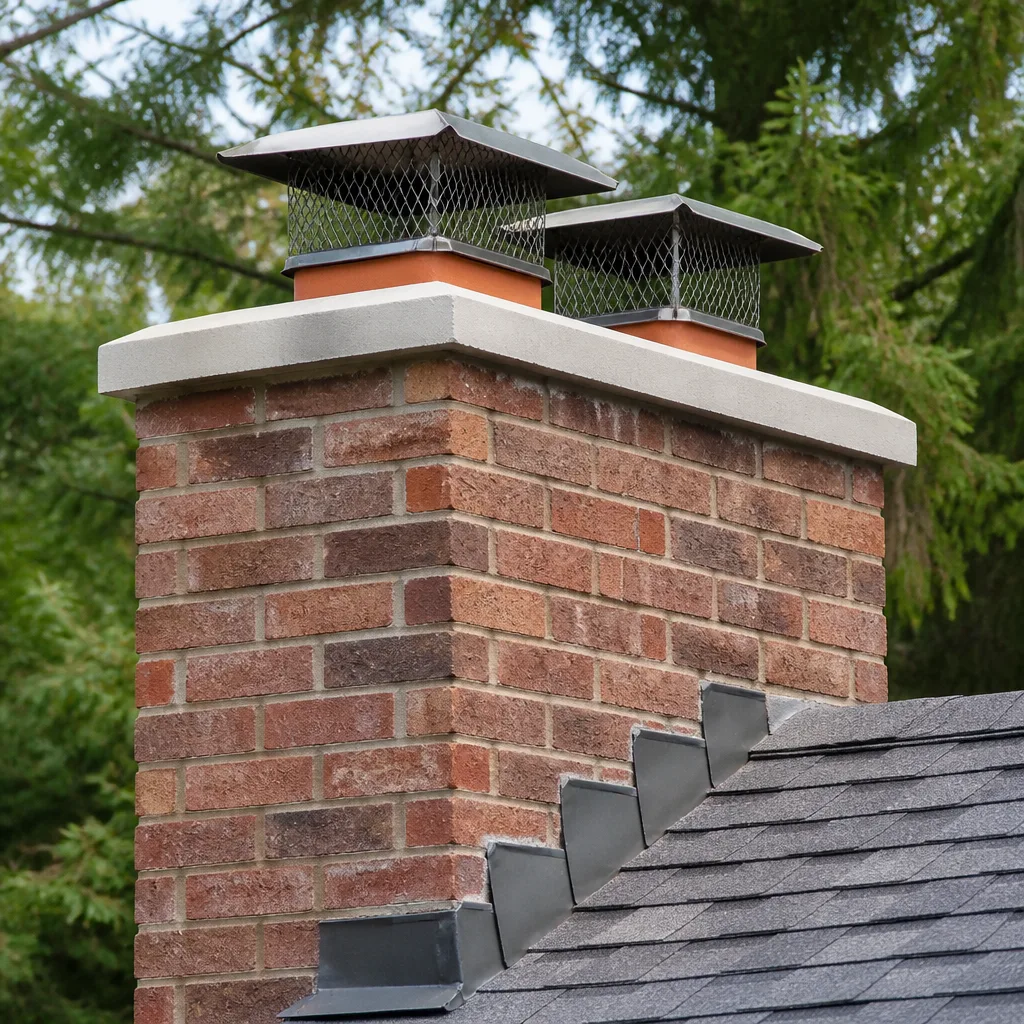 Caps & crowns
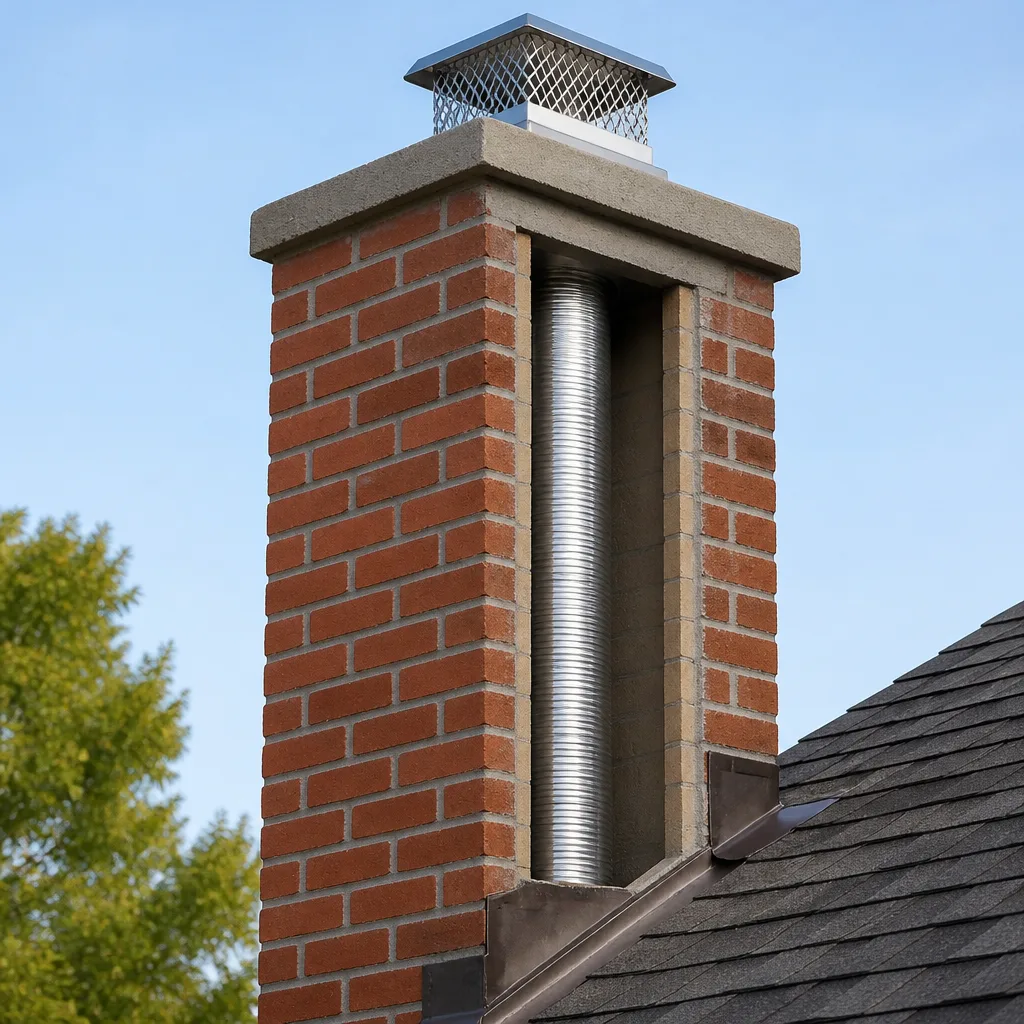 Flue relining
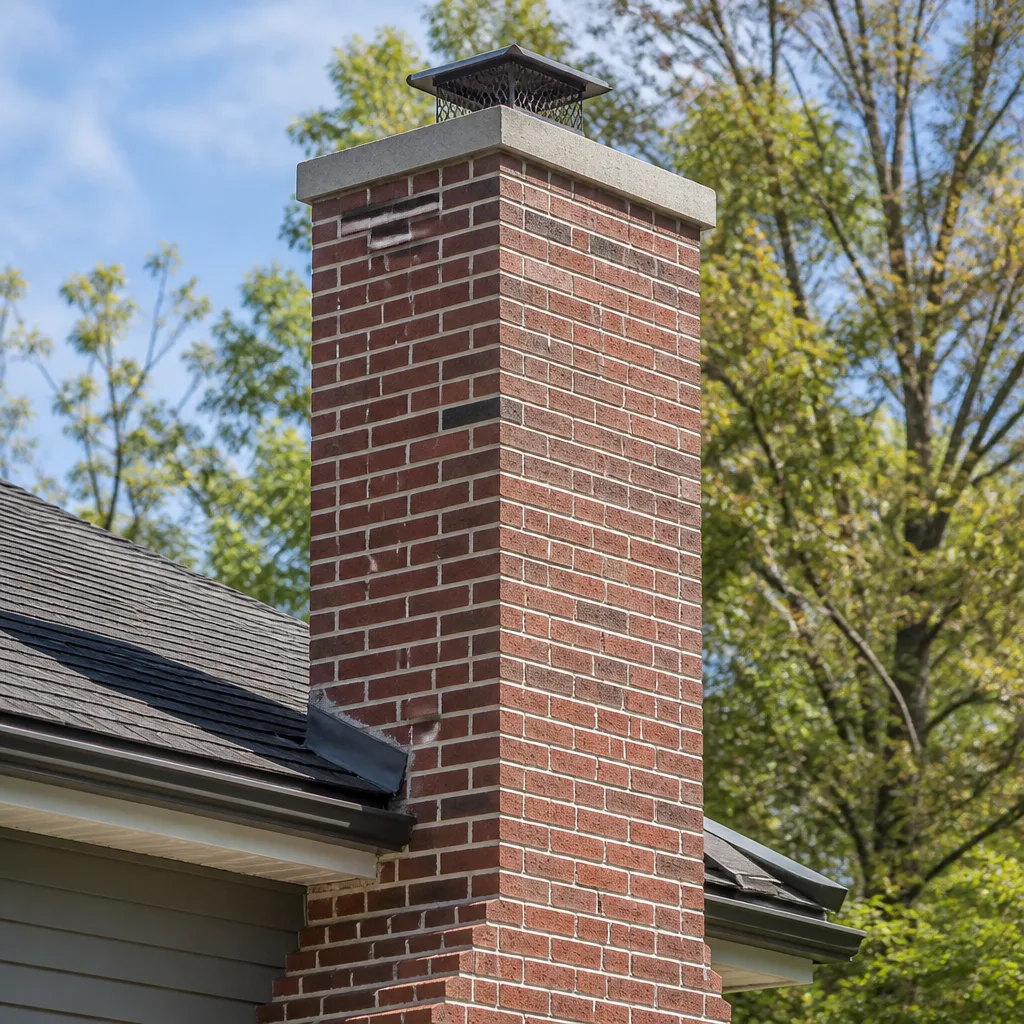 Masonry repair
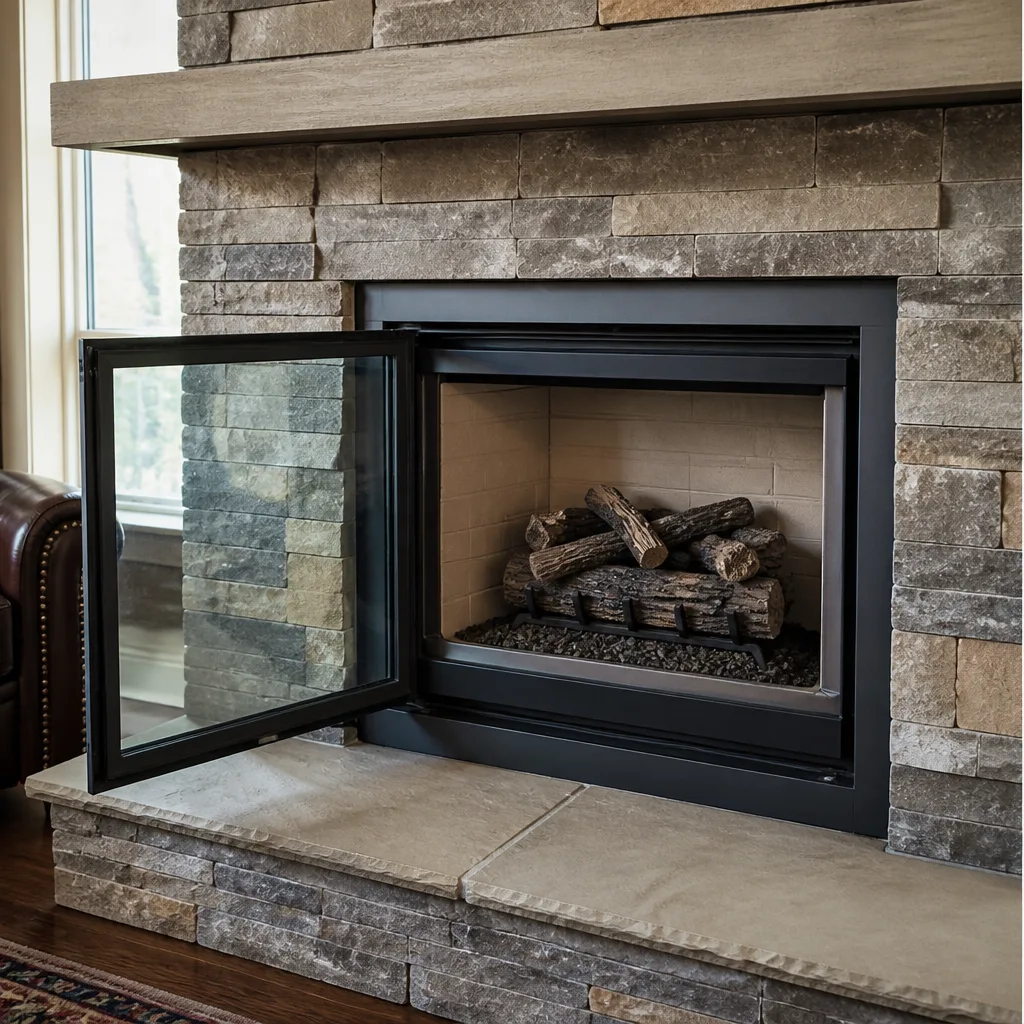 Gas fireplace service
Level 1 sweep and inspection to the NFPA 211 annual standard - flue, crown, cap, and flashing checked and photographed
Chimney sweep logs do not sweep chimneys. They loosen some creosote - which then falls where a brush and vacuum still have to collect it.
Chimney Cleaning Permits, Codes & Inspections in Bedford Park, NY: What You Need to Know
Skipping a permit on a chimney reline isn’t just a code violation. It’s the kind of paperwork gap that can let an insurance company deny a fire claim on a technicality, and it can stall a home sale months after the work is finished. Most Bedford Park homeowners assume chimney cleaning is permit-free, and for a routine sweep they’re right. The confusion starts the moment work crosses from maintenance into alteration. This guide walks through where that line sits under New York residential building codes, how NFPA 211 standards interact with local enforcement, what a compliant inspection report actually contains, and what to do if a previous owner left you with unpermitted chimney work.
Quick Answer
A routine chimney sweep in Bedford Park generally does not require a permit. Any work that alters the chimney structure, installs or replaces a liner, or touches a gas appliance venting system typically does require one, and it must be inspected before the flue is closed up or returned to service. A compliant inspection report documents the flue condition by level (1, 2, or 3), includes photo or video evidence, and states the standard applied. Work done without a permit can complicate an insurance claim and a Certificate of Occupancy transfer.
Styles & brands we work with
- Sweep & inspection
- Caps & crowns
- Flue relining
- Masonry repair
- Gas fireplace service
Table of Contents
- Where Maintenance Ends and Alteration Begins
- How NFPA 211 Interacts With New York Enforcement
- What a Compliant Inspection Report Must Contain
- CO Detectors and Clearance Rules for Gas Appliances
- Certificate of Occupancy Transfers and Unpermitted Work
- Requesting Past Chimney Records From the City
- What Older Bedford Park Properties Need
- Common Mistakes to Avoid
Where Maintenance Ends and Alteration Begins
In our experience, this is the question that trips up more Bedford Park homeowners than any other. The distinction matters because permits attach to alterations, not maintenance. Here’s how to think about it.
Maintenance covers anything that returns the chimney to its existing, code-compliant condition without changing the structure or the flue system. That includes:
- Sweeping the flue to remove creosote, soot, and blockages
- Removing a bird nest or debris from the smoke chamber
- Replacing a missing or damaged cap with a like-for-like cap
- Sealing minor crown cracks with a compatible sealant
- A visual inspection at the firebox and accessible flue
Alteration covers anything that changes the flue’s dimensions, material, path, or connection to an appliance. That typically includes:
- Installing a new stainless liner, whether a rigid DuraFlex section or a resurfaced HeatShield system
- Rebuilding or replacing a crown where the crown is part of the structural weatherproofing
- Removing or replacing a masonry flue tile
- Connecting a new appliance, such as a wood stove or gas insert, to the flue
- Changing the venting configuration, including adding a new termination point
Your city’s building department makes the final call on whether a specific job needs a permit. When in doubt, ask before the work begins. A permit costs far less than an unpermitted reline discovered during a home inspection. If the job does cross into alteration, the local pro you work with should be the one pulling the permit, and the local pro is licensed and insured as their state requires.
How NFPA 211 Interacts With New York Enforcement
NFPA 211 is the national standard for chimneys, fireplaces, vents, and solid fuel-burning appliances. New York residential codes reference it as the benchmark for chimney construction and inspection. Local enforcement uses it as the measuring stick when a code official reviews a permit application or responds to a complaint.
In practical terms, NFPA 211 sets the thresholds that inspections look for. It defines the three inspection levels:
- Level 1: A visual inspection of readily accessible portions of the chimney, firebox, and connector. This is the standard annual inspection for a chimney that’s in continuous service with no changes to the system.
- Level 2: A more thorough inspection that includes a video scan of the flue interior. This is triggered by a change in the system (new liner, new appliance, different fuel), a property sale, or after a chimney fire or seismic event.
- Level 3: An inspection that requires access to concealed areas, which can mean removing part of the chimney or adjacent construction. This is reserved for situations where a serious hazard is suspected.
Where local enforcement comes in: when a permit application is filed for a reline or structural repair, the code official typically requires a Level 2 inspection report before the work starts and another verification inspection after it’s complete. The final inspection is what allows the flue to be returned to service. Without it, the homeowner has a completed job with no paper trail, which is exactly the paperwork gap that causes trouble later.
What a Compliant Inspection Report Must Contain
A compliant inspection report is more than a checkbox form. Under NFPA 211, it needs to document what was inspected, how, and what was found, so a code official, an insurer, or a future buyer can verify the flue is safe to use.
A report that stands up to that scrutiny typically includes:
- The inspection level performed and the reason for that level
- The standard applied (NFPA 211) and the date of inspection
- A description of the flue type and material (masonry, factory-built, or metal liner)
- Measurement of the flue’s cross-section and condition from top to bottom
- Video or photographic evidence of the flue interior, not just the firebox
- Condition ratings for the firebox, smoke chamber, damper, flue, crown, cap, and exterior masonry
- Any deficiencies found and whether they are safety-critical, code-critical, or maintenance items
- A recommendation section that distinguishes immediate repair, near-term repair, and monitoring-only
This is why a chimney inspection should be a standalone service, not an add-on that appears after a sales conversation. When the report is the product, the homeowner can read it and decide with the evidence in front of them. A camera inspection and photo report should be included with the work, and nothing should be recommended without that evidence. That’s what separates a real inspection from a sales visit.
CO Detectors and Clearance Rules for Gas Appliances
The moment gas appliance work touches the flue system, two requirements come into play under New York codes: carbon monoxide detector placement and clearance verification.
Carbon monoxide detector placement matters because the flue system is the path CO travels if something goes wrong. Inside the home, a CO detector should be present on each level that has a sleeping area and in or near any room that contains a fuel-burning appliance. New York requires CO detectors in most residential situations where a fuel-burning appliance is present, including gas ranges, gas dryers, and gas-fired furnaces as well as gas fireplace inserts. If a chimney professional is working on the flue for a gas appliance, they should confirm the detectors are present and functioning before returning the system to service. That’s not a courtesy check; it’s part of confirming the appliance can be safely operated.
Clearance rules cover the required distance between the flue and combustible materials (framing, sheathing, insulation). When a new flue liner is installed, the clearance of the new assembly has to be verified against the manufacturer’s listing and against NFPA 211. A reline done without checking clearances can leave a flue that may function but that fails inspection and voids the appliance’s listing.
Any of this work is dangerous to handle without training. Gas leaks, CO exposure, and unvented combustion are real risks, and electrical or structural work inside a chimney chase is not a homeowner job. We recommend a trained professional handle anything involving gas appliance venting and clearance verification, and we strongly discourage opening a gas line or troubleshooting combustion yourself. What you can do safely is confirm your CO detectors are working and note any change in how the appliance burns, sounds, or smells.
Certificate of Occupancy Transfers and Unpermitted Work
A Certificate of Occupancy (C of O) transfer is one of the most common places where unpermitted chimney work surfaces. When a Bedford Park property changes hands, the buyer’s inspector often finds a liner that doesn’t look original, a crown that was recently rebuilt, or a gas insert that was added without documentation. Without a permit record, the C of O process can flag it.
What happens next generally follows a few paths:
- Disclosure at sale: The seller discloses the unpermitted work. The buyer’s lender may require it to be permitted and inspected before closing, or may require the work to be removed. In either case, a careful timeline is needed.
- Retroactive permit: The homeowner applies for a permit after the fact. The code official may require the work to be opened up for inspection, which sometimes means removing a recently installed liner or opening up a finished chase to verify conditions. This is expensive but often resolves the C of O issue.
- Removal and redo: If the work can’t be verified or doesn’t meet code, the official may require it be removed and reinstalled under a new permit. This is the worst-case scenario and the one most worth avoiding.
- Legalization by inspection: Some cases resolve through a thorough Level 2 or Level 3 inspection that documents the system meets NFPA 211. This depends on the jurisdiction and the specific finding.
The remediation is always easier when there’s a paper trail. The best way to avoid ever needing one of these paths is to have the permit pulled before the work starts. If a local pro you’re talking to says a permit isn’t needed for a reline, ask why. If they can’t answer clearly, use someone else. The chimney repair work you’re having done is the kind that benefits most from a clean record.
Requesting Past Chimney Records From the City
If you’re buying a Bedford Park property or you’ve just inherited chimney work you didn’t commission, the first move is finding out what the city already has on file. Here’s how that usually goes.
- Contact the local building department for the borough. Ask for a records request under the Freedom of Information Law (FOIL). Property records, permit records, and inspection records are generally available.
- Provide the property address and parcel identification. Include the block and lot if you have them. A records search can turn up a permit application, inspection report, and certificate of completion if they exist.
- Request copies of past chimney permits and inspection sign-offs specifically. The general property file may not surface chimney work if it was never permitted, so ask directly for anything related to flues, fireplace installation, or venting.
- Cross-check with the previous owner’s disclosure. If the C of O file doesn’t show chimney work but the disclosure mentions an installation, ask for the installer’s name, permit number, and completion date.
- If records don’t exist, plan for an inspection. For an older property with no chimney paperwork, a Level 2 inspection is the starting point. It documents the current condition and gives you a baseline independent of what the file says.
FOIL responses can take a few weeks, so start the request early if you’re on a sale timeline. If the file turns up nothing for a chimney that clearly had recent work, that’s a signal worth acting on. It can be a permit gap that was never closed. A chimney sweep visit often surfaces the same finding from the other direction: the flue is clean and new inside, but the paperwork doesn’t match.
What Older Bedford Park Properties Need
Bedford Park is a neighborhood of older housing stock, and the chimneys reflect that. Many of these homes were built before current venting standards existed, and some were built with construction methods that need careful handling when a modern liner or appliance is introduced.
What we watch for on older Bedford Park chimneys:
- Oversized flues: Older masonry flues were often sized for open fireplaces, not modern appliances. A liner is usually the answer, but it has to be sized correctly for the appliance. Oversizing reduces draft, and undersizing is a code problem.
- Missing or damaged caps: A missing cap is the most common route for water and animal intrusion. Many older Bedford Park chimneys have partial or damaged caps that were never replaced properly. A properly fitted cap, installed with a system designed for weatherproofing, prevents most of the water damage we see.
- Cracked crowns: Crowns are the first line of defense against water. A crown that has lost its slope or has cracked open allows water into the masonry, which then freezes and spalls the brick. Winter freeze-thaw cycles in this part of New York are hard on crowns that are already compromised.
- Unlined or partially lined flues: Some older chimneys have no liner at all, or have a flue tile that has cracked over decades of heating cycles. Any unlined flue connected to a solid fuel appliance needs a liner before use.
- Prior conversions: A house that switched from oil to gas, or added a wood stove without documentation, may have a venting configuration that no longer matches the appliance. This is where an inspection is worth having, even if the chimney looks fine from outside.
The combination of a cracked crown and an unlined flue is the one we treat as most urgent in older Bedford Park homes. It’s the configuration that lets both water and combustion byproducts into the structure. For that combination, a chimney cap & crown rebuild plus a liner assessment is the usual starting point. Our technicians have up to 11 years of experience with this housing stock, and we’ve seen the same patterns repeat across the neighborhood. For a full overview of the services we offer, see the Chimney Sweep Bedford Park page.
Common Mistakes to Avoid
- Assuming a sweep needs a permit. Routine cleaning doesn’t, but a homeowner who assumes the same applies to a reline can end up with an unpermitted alteration. Ask specifically about the work category, not the trade.
- Letting a contractor pull the permit in your name. In most cases, the licensed contractor is the one who should pull the permit, because they’re responsible for the inspection and the sign-off. If a contractor asks you to file as the homeowner, that’s a reason to ask questions before signing.
- Skipping the final inspection. A reline isn’t complete until the code official verifies the finished work. A contractor who installs a liner and never schedules the final inspection has left the job incomplete.
- Ignoring the C of O file before closing. A home sale is the worst time to discover unpermitted chimney work. In Bedford Park, check the property file before the contract is signed, not after.
- Relying on a visual-only inspection. A visual inspection doesn’t document the flue interior. If paperwork needs to hold up under insurer or code scrutiny, request a Level 2 with video or photographic evidence.
- Buying a house with no chimney records and no inspection. An older Bedford Park home with no chimney documentation should get an independent inspection before the sale, regardless of what the disclosure says.
- Treating a permit as a formality. The permit and the inspection are the paper trail that protects you when an insurance claim, a C of O transfer, or a property sale puts the chimney under review. The paperwork is often worth more than the work itself.
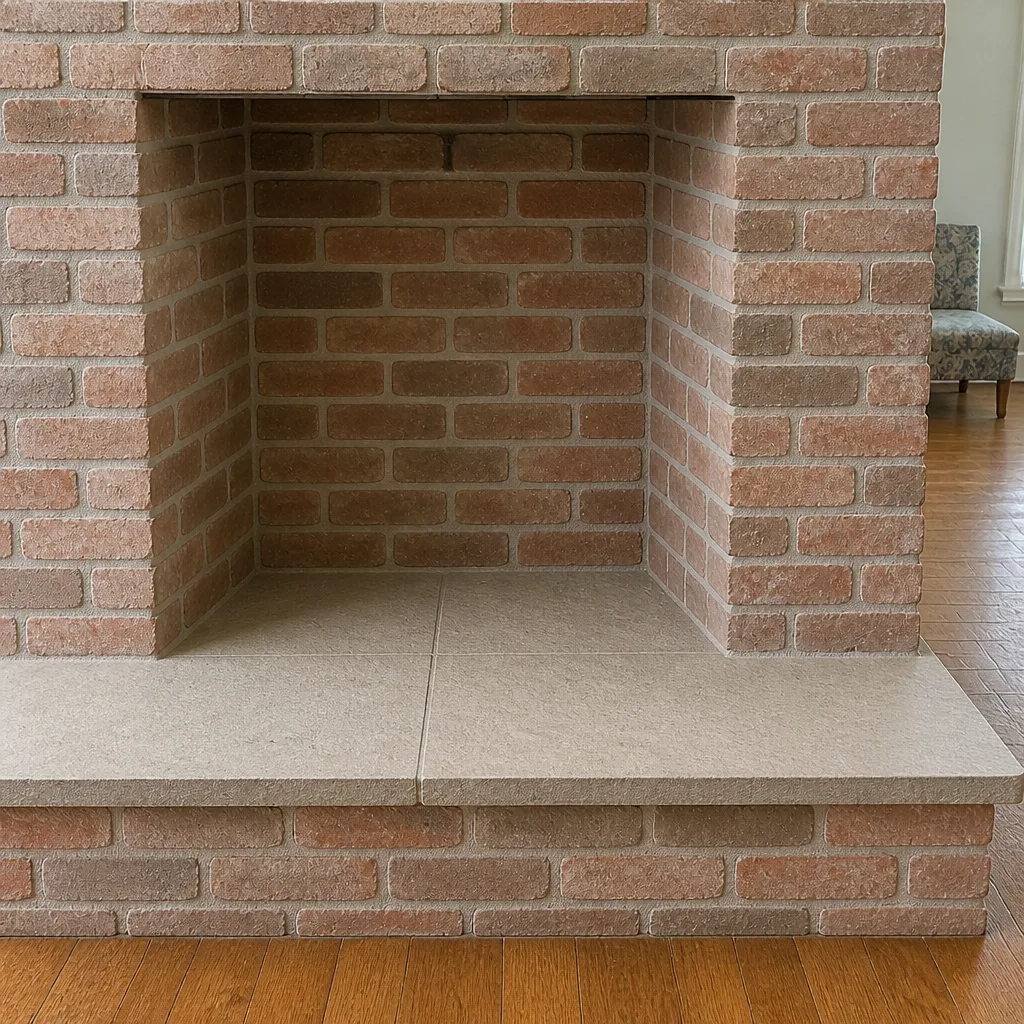
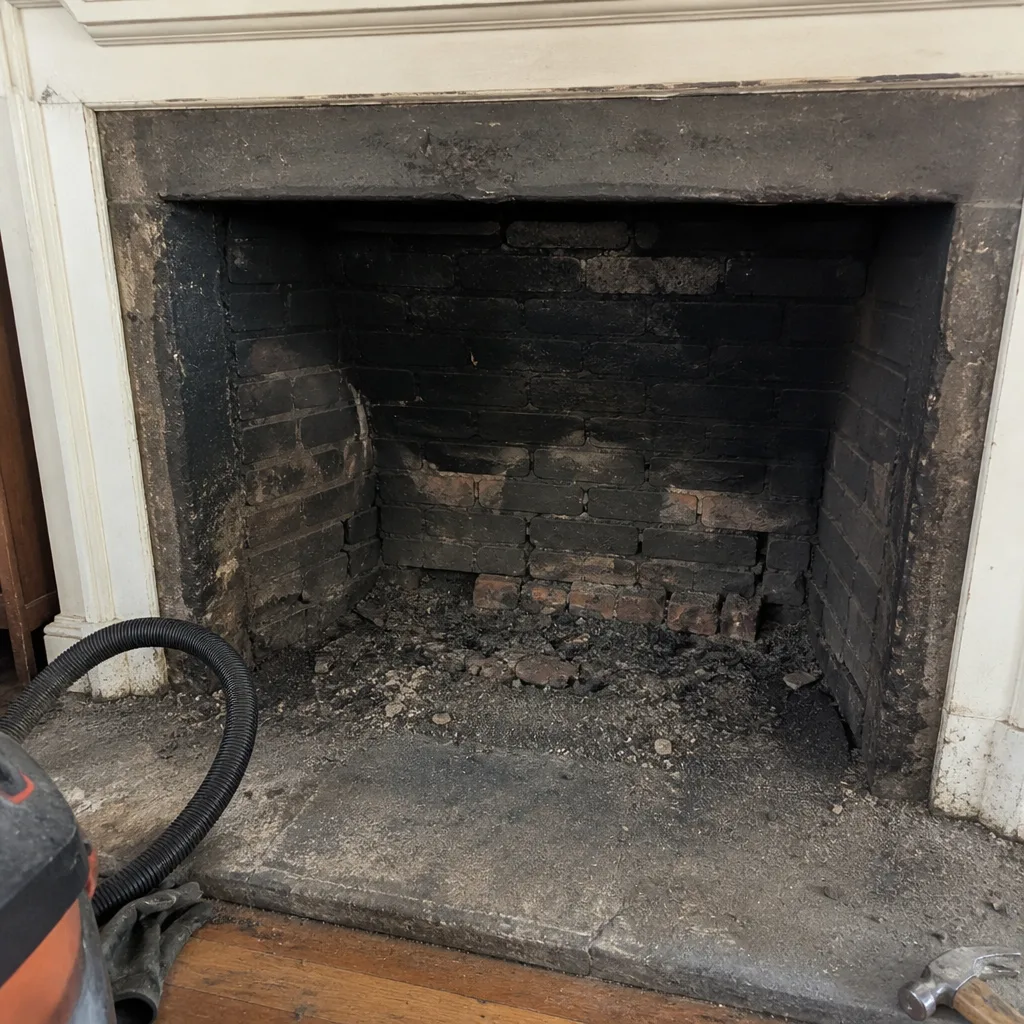
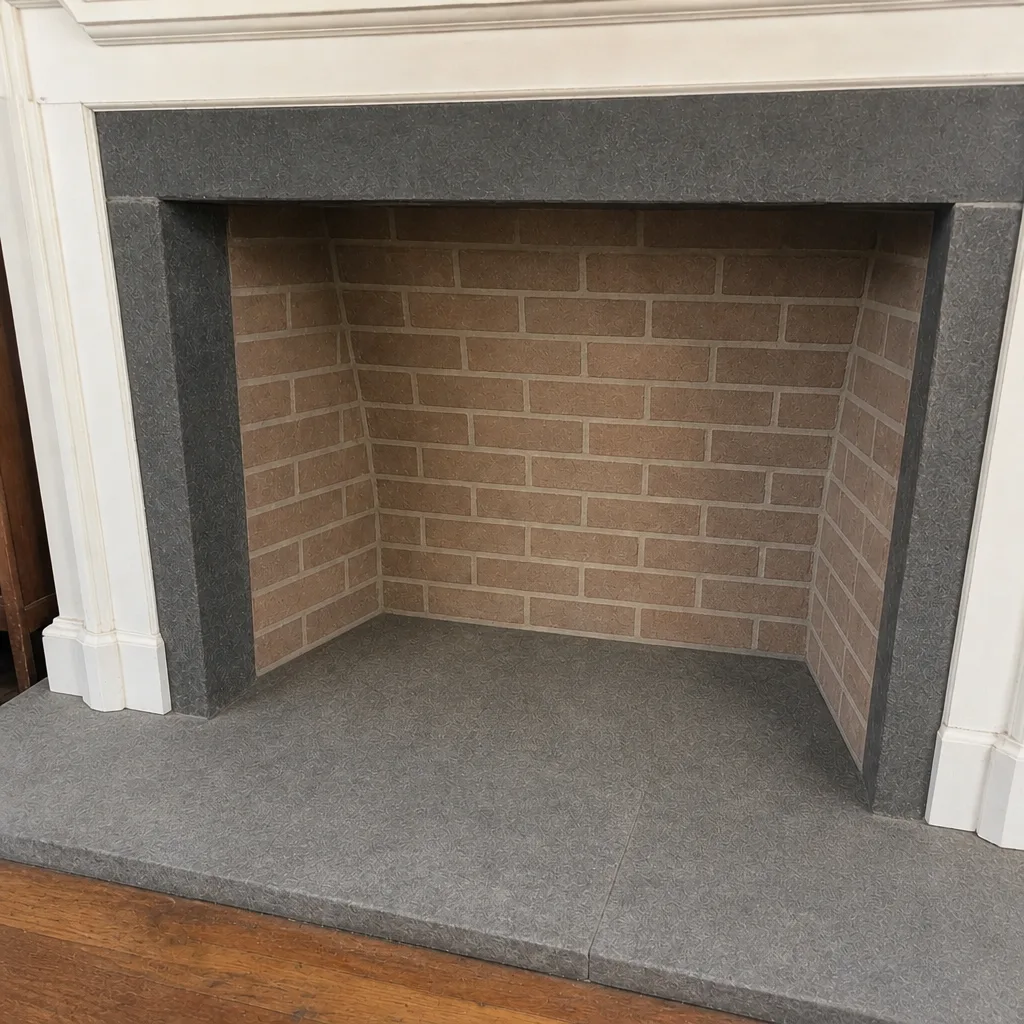
See the difference
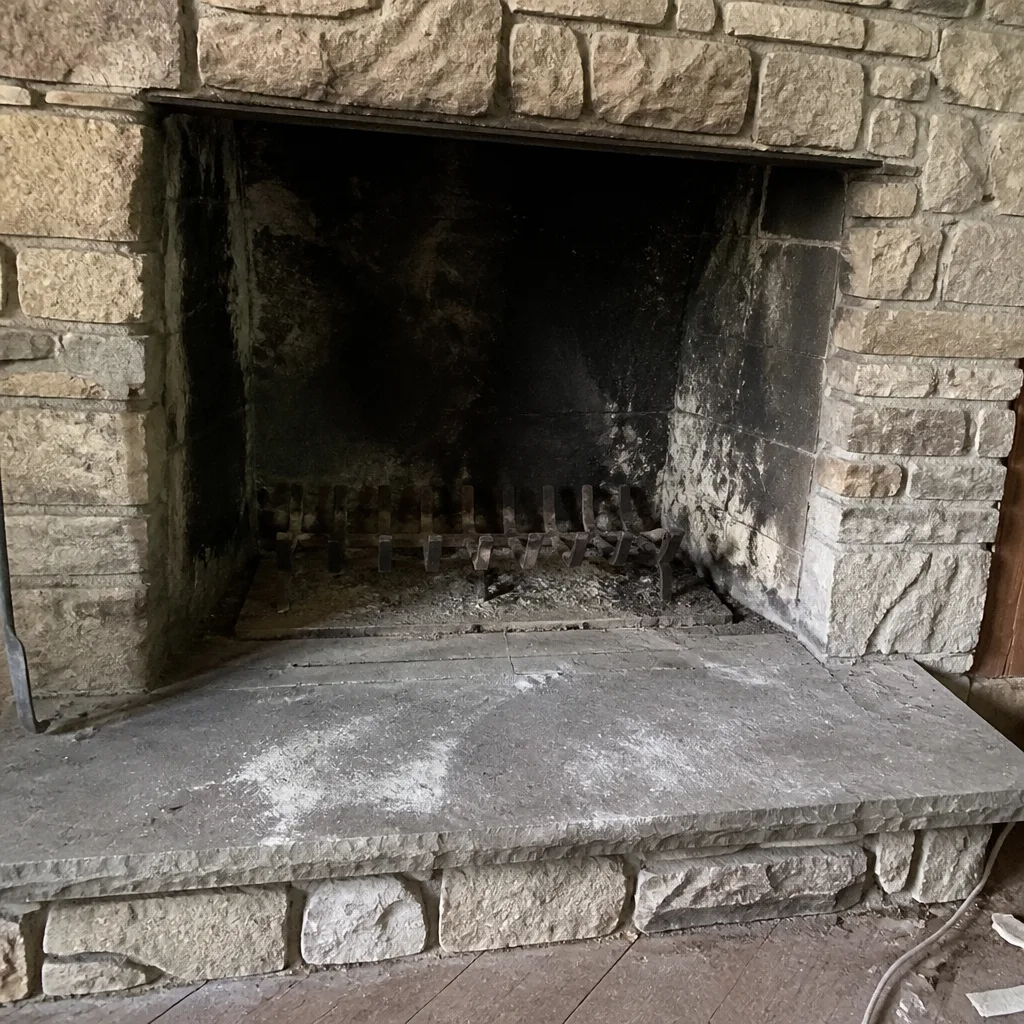 Before
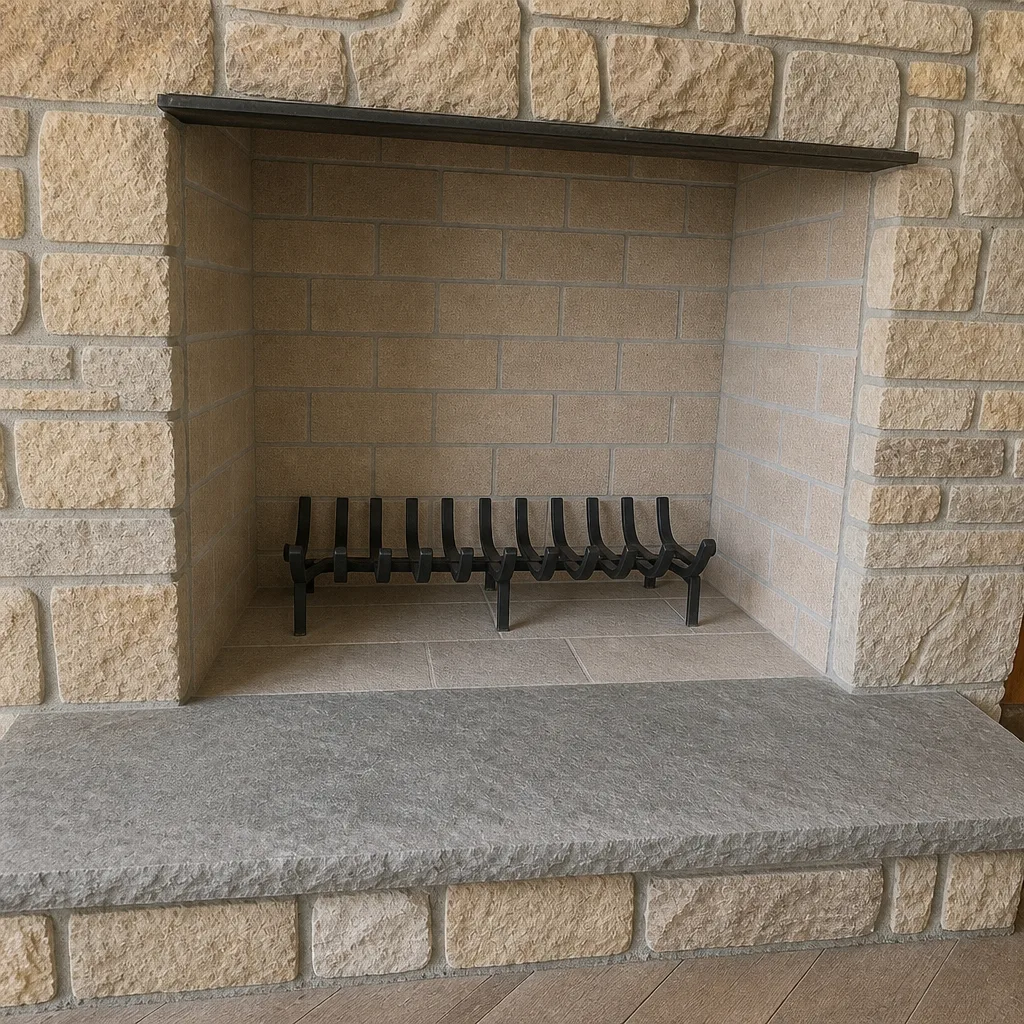 After
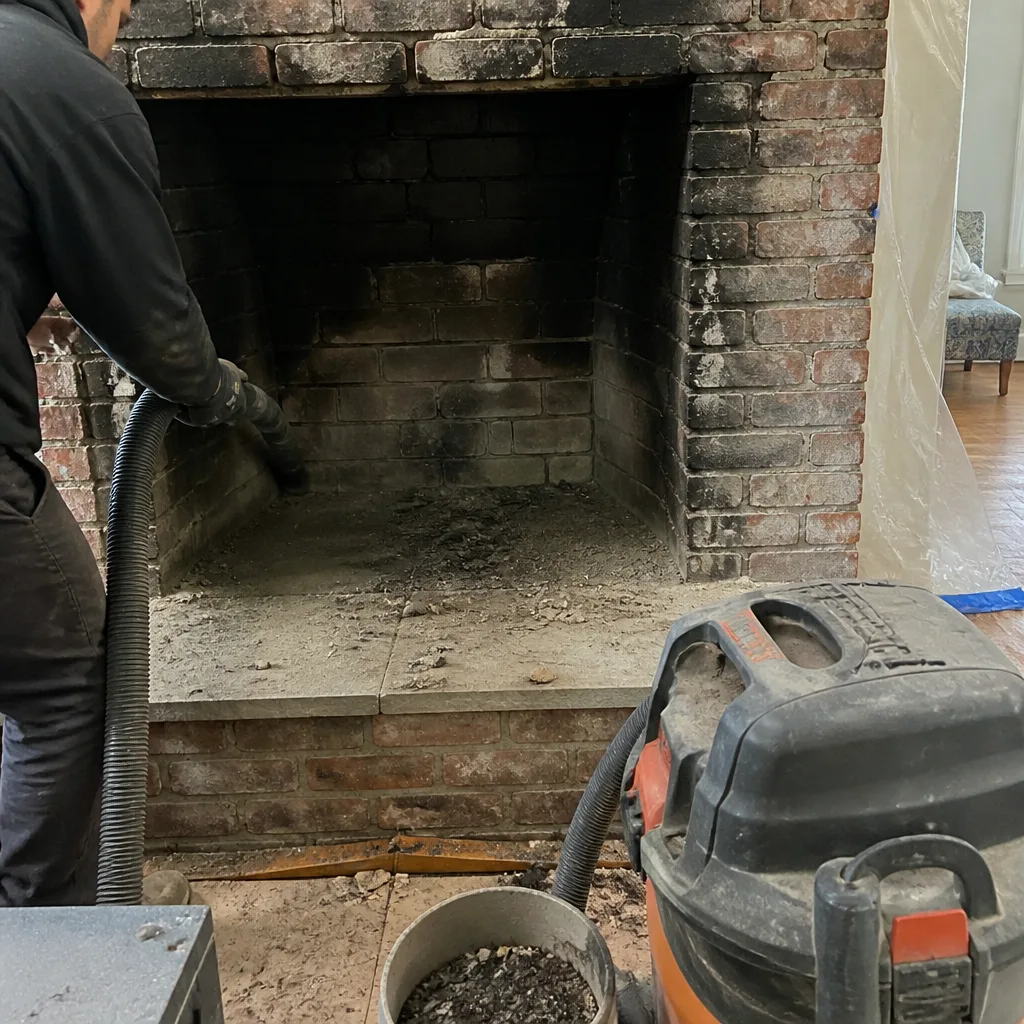 Before
 After
 Before
 After
When to Call a Professional
Some chimney work is routine maintenance you can schedule on your own timeline. Other work is not. Call a professional when any of the following is true:
- A permit application would be needed for the work you’re considering, and you want a written scope before filing
- You’re buying or selling a property with unclear chimney history or no inspection records
- You’ve noticed water staining inside the chimney chase, cracked masonry, or a crown that has lost its slope
- You’ve recently added a gas appliance or insert and want the venting and clearance verified
- You’ve had a chimney fire, even a small one, and want a Level 2 inspection before using the fireplace again
- Your CO detectors have sounded, or you smell gas near the fireplace or appliance connection
- You want a baseline inspection report for an older Bedford Park property with no records on file
Chimney Sweep Bedford Park offers free estimates in Bedford Park. Call (866) 937-7520. We answer 24/7. Fast dispatch from 7am to 7pm, Sunday through Friday. If you’re not sure whether the work you need is maintenance or alteration, ask us and we’ll walk through it, including what a permit would look like for the specific job.
Frequently Asked Questions
No. A routine chimney sweep is maintenance and doesn’t typically require a permit. A permit becomes relevant when the work alters the flue system, including a reline, a structural repair, or a new appliance connection. If you’re unsure, ask your city’s building department to confirm before work starts. Call (866) 937-7520 for an exact scope of what a permit would cover for your job.
Level 1 is a visual inspection of accessible components, suitable for a chimney in continuous service. Level 2 adds a video scan of the flue and is required when the system changes, when a property sells, or after a chimney fire. Level 3 means opening up concealed areas when a serious hazard is suspected. A permit application for a reline typically triggers a Level 2. Call (866) 937-7520 to schedule the right level for your situation.
It can complicate an insurance claim, and it can stall a Certificate of Occupancy transfer during a sale. The work may require a retroactive permit and inspection, which can mean opening up finished construction to verify conditions. Some cases resolve through a thorough inspection; others require removal and reinstallation. Call (866) 937-7520 to talk through the specific finding before you talk to your building department.
Contact the local building department for the borough and file a FOIL request for the property’s permit and inspection records. Ask specifically for anything related to chimneys, flues, fireplaces, or venting. If the records show nothing and the property is older, a Level 2 inspection gives you an independent baseline. Call (866) 937-7520 to schedule one.
In most residential situations in New York, yes. CO detector placement is required where a fuel-burning appliance is present, including gas appliances that vent through the chimney. A CO detector should be on each level with sleeping areas and near the appliance. A chimney professional handling the flue for a gas appliance should confirm detectors are present before returning the system to service. Call (866) 937-7520 if you’re not sure whether your setup is covered.
It should state the inspection level performed, the standard applied (NFPA 211), the flue type and material, the condition of the firebox, smoke chamber, damper, flue, crown, and cap, and it should include photo or video evidence of the flue interior. It should also distinguish safety-critical findings from maintenance items. Call (866) 937-7520 for an inspection report that holds up to insurer or code review.
The Bottom Line
Routine sweeping in Bedford Park doesn’t require a permit, but the moment work crosses into a reline, structural repair, or appliance installation, it does, and the final inspection is what closes the permit. The permit and inspection records are often worth more than the work itself: they’re what protects you during an insurance claim, a property sale, or a C of O transfer. If you’re buying a Bedford Park property, check the property file before the contract is signed. If you already own one and there’s no paperwork, a Level 2 inspection is the starting point. And if a contractor tells you a permit isn’t needed for a reline, ask them to explain why in writing. Call (866) 937-7520 for a free estimate, and we’ll walk you through what the work actually requires.
Written by the team at Chimney Sweep Bedford Park.