
Last updated November 25, 2026
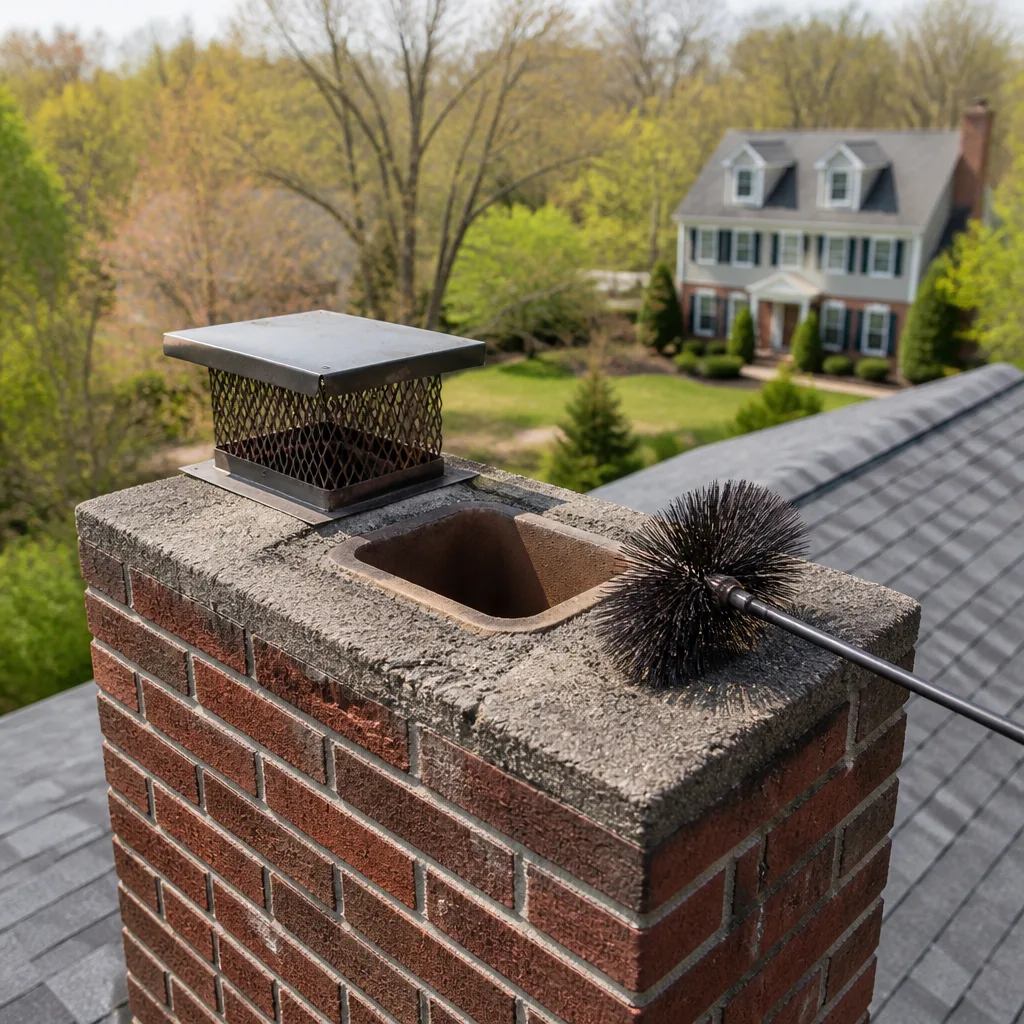 Sweep & inspection
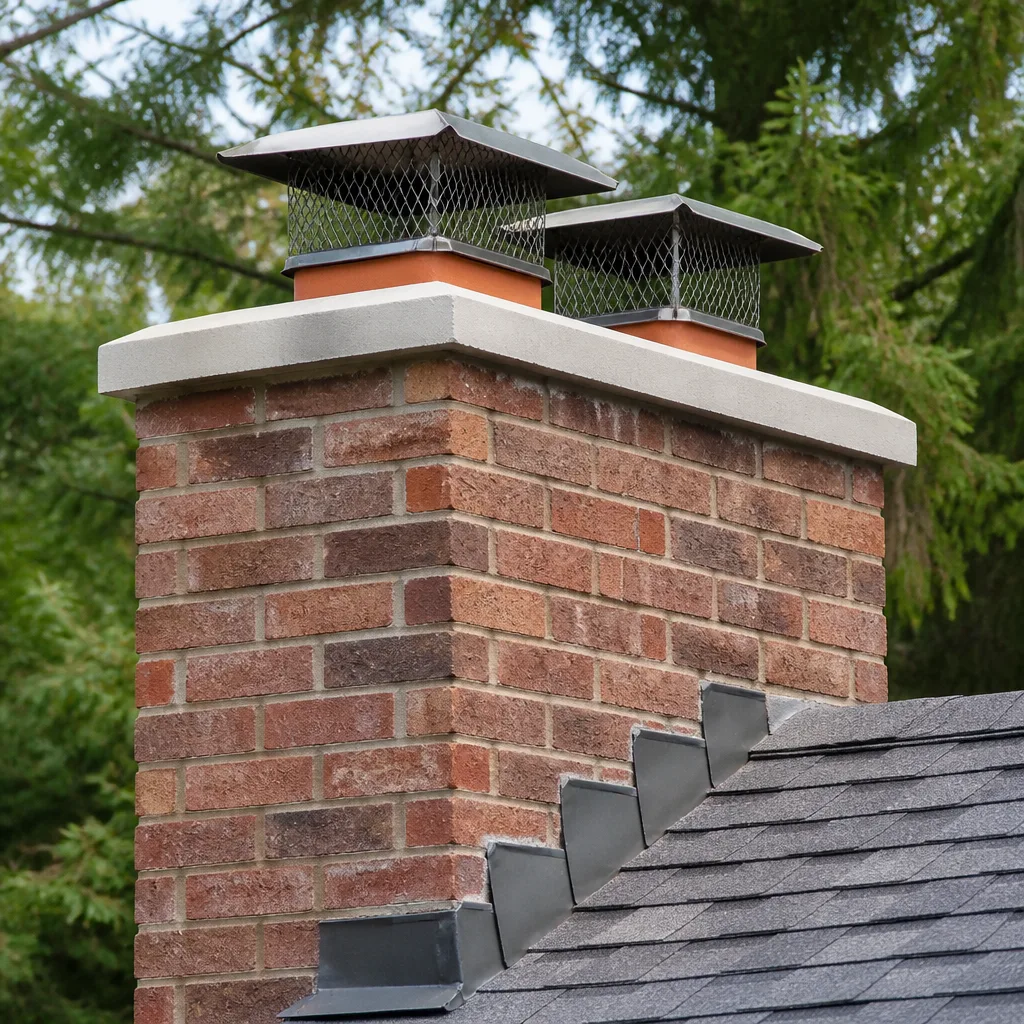 Caps & crowns
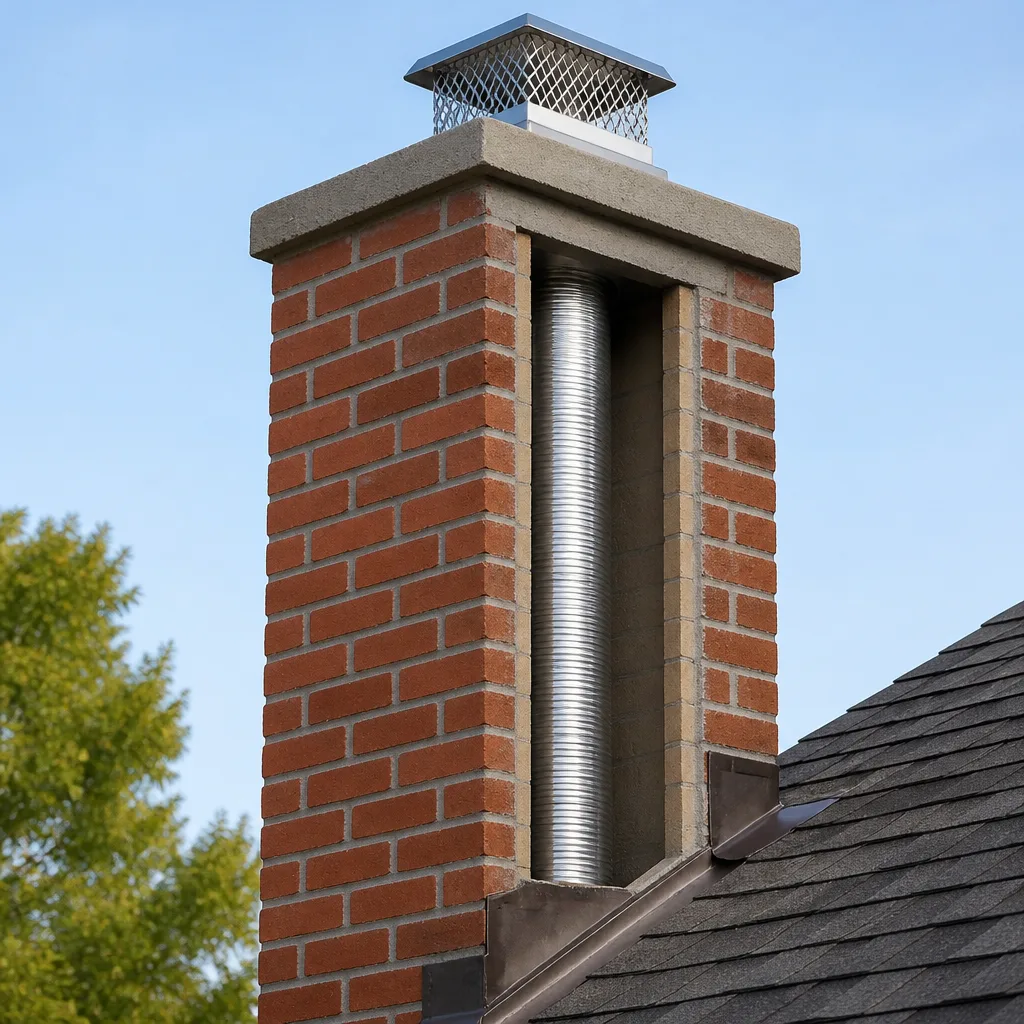 Flue relining
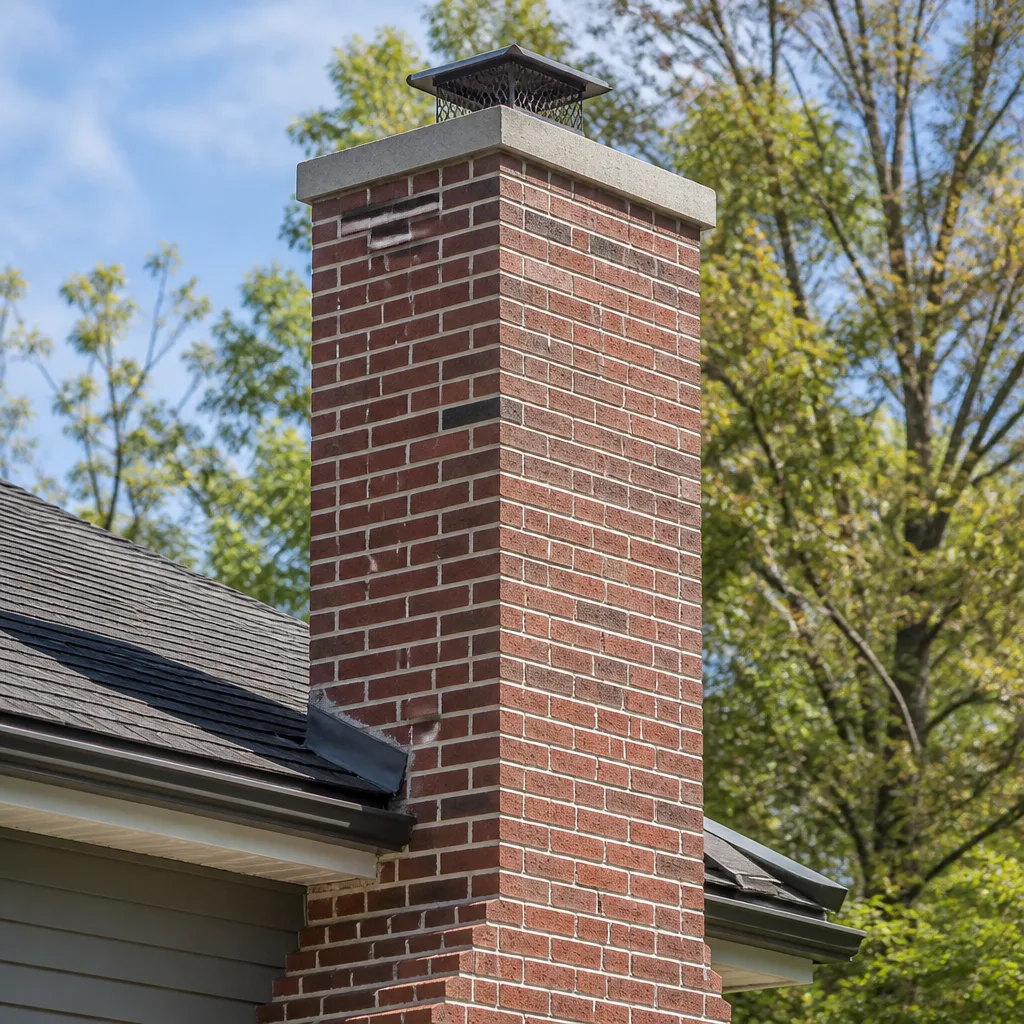 Masonry repair
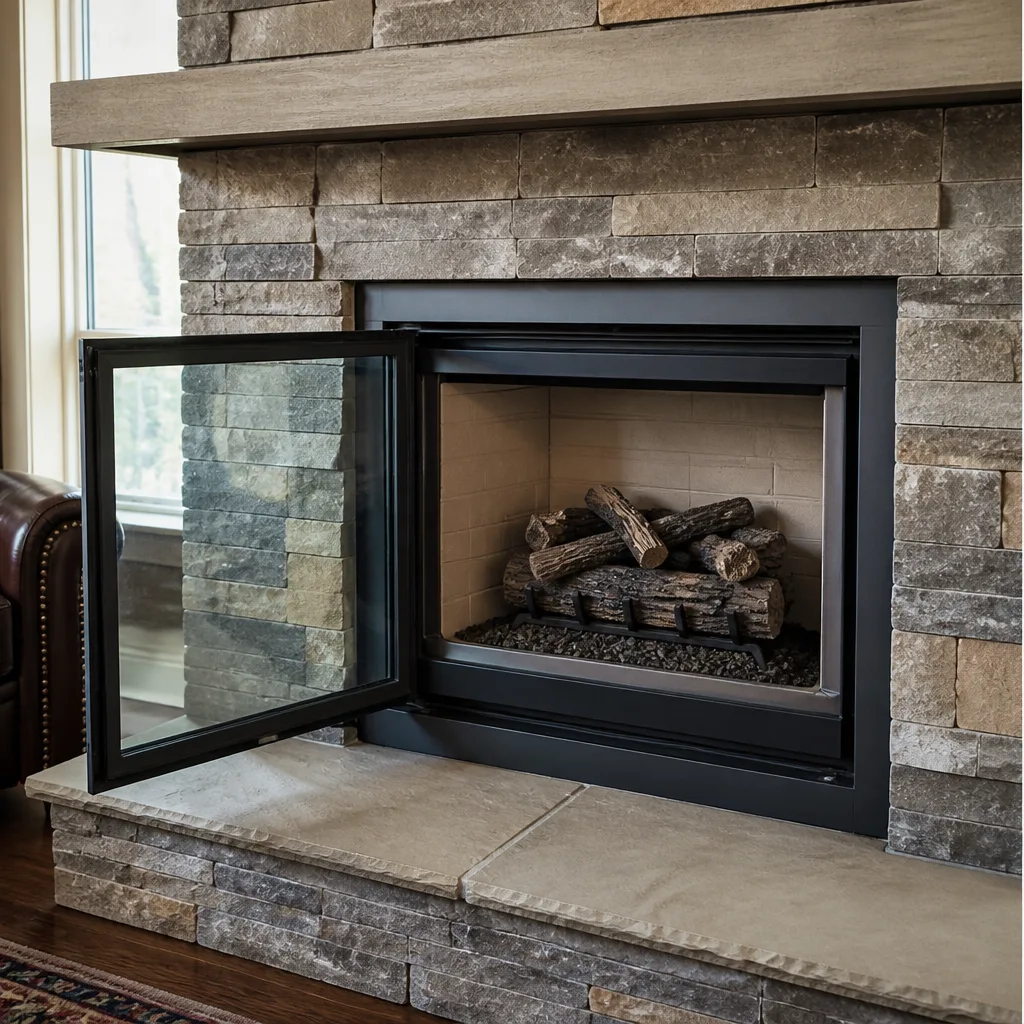 Gas fireplace service
Level 1 sweep and inspection to the NFPA 211 annual standard - flue, crown, cap, and flashing checked and photographed
Chimney sweep logs do not sweep chimneys. They loosen some creosote - which then falls where a brush and vacuum still have to collect it.
Chimney Cleaning Warning Signs: A Bedford Park Homeowner’s Reference Guide
A white stain on the outside of your chimney isn’t cosmetic. It’s efflorescence, and it’s telling you that water is already moving through your masonry from the inside out. Most homeowners in Bedford Park see that chalky crust and reach for a wire brush, assuming it’s a stain to scrub away. It isn’t. It’s a symptom. And it’s exactly the kind of signal this guide is built to help you read correctly, because chimney problems rarely announce themselves loudly. They whisper: a faint smell at startup, a little smoke that curls into the room, a fire that takes longer to catch. This guide walks you through those subtle shifts in smell, sound, draft, and appearance so you can tell the difference between a chimney that needs a cleaning and one that’s quietly failing.
Quick Answer
The main chimney cleaning warning signs are a persistent sulfur or creosote smell that doesn’t clear after the first few fires, visible creosote buildup more than 1/8 inch thick inside the flue, smoke spilling back into the room, a lazy fire that struggles to draft, rust on the damper, shaling liner fragments at the base of the firebox, and exterior clues like efflorescence, a cracked crown, a damaged cap, or eroded mortar joints. Any one of these means it’s time to book a sweep and inspection rather than wait another season.
Styles & brands we work with
- Sweep & inspection
- Caps & crowns
- Flue relining
- Masonry repair
- Gas fireplace service
Table of Contents
- Cold Flue Odors vs. Persistent Smells: How to Tell the Difference
- What the Inside of Your Firebox Is Telling You
- Lazy Fires and Smoke Spillback: The Mechanical Explanation
- Smoke Chamber vs. Liner: Diagnosing the Difference From the Firebox
- The Exterior Warning Checklist: What to Look For and How It Looks
- Warning Signs You Can Hear and Smell Before You See
- How Often Bedford Park Chimneys Actually Need Sweeping
- Timing Your Cleaning Before Burning Season
Cold Flue Odors vs. Persistent Smells: How to Tell the Difference
Every chimney has a smell at the start of the season. When the air turns cold and you haven’t burned in months, a cold flue pulls damp air down through the stack and pushes that familiar musty, smoky smell into the room. That’s normal. It clears within the first fire or two because the heat drives the draft upward and the moisture burns off. What isn’t normal is a smell that persists long after the season gets going.
The distinction matters because the two scenarios need completely different responses. Cold flue odor is a temporary condition. A persistent smell is a signal. Here’s how to sort one from the other:
- Cold flue odor: Appears on the first cool days, fades after a fire or two, and smells vaguely smoky or like a damp basement. It’s driven by temperature differential, not buildup.
- Creosote odor: A sharp, tarry, almost chemical smell that lingers even on days you don’t burn. This points to creosote accumulation inside the flue, and the smell gets stronger as the buildup thickens.
- Sulfur or rotten-egg smell: Persistent sulfur notes usually mean moisture is combining with creosote or masonry residue. It can also indicate that water is getting into the flue. That’s a draft and moisture problem, not just a cleaning issue.
- Smoke smell in rooms with no fire burning: This is a backdraft or negative-pressure signal. Warm air from the house is being drawn up the chimney and the chimney is failing to hold its draft.
In Bedford Park, where the heating season runs long and homes often sit with chimneys closed up for months, cold flue odor is common. What we tell homeowners is simple: give it a fire or two. If the smell doesn’t clear, or if it’s the sharp tarry kind rather than the damp musty kind, that’s your cue to stop guessing and get an inspection.
What the Inside of Your Firebox Is Telling You
The firebox is the part of the chimney you can actually see without special tools, and it’s loaded with diagnostic information. Most homeowners look at it to check whether the fire is going and never notice the residue on the walls. Take a flashlight and look carefully at these four zones.
Rust on the Damper
A damper that’s rusted or stiff is a moisture indicator. Metal only rusts when water is present, and in a firebox that means water is either coming down the flue from a failed cap or crown, or condensing inside because the chimney isn’t drafting properly. A little surface rust on an older damper is one thing. Heavy, flaking rust on the damper blade and frame means moisture has been getting in for a while.
White Residue on the Firebox Walls
Look for a chalky white or grayish-white film on the refractory brick. That’s efflorescence on the inside, and it means water is migrating through the masonry. Sometimes it’s a moisture problem with the crown or flashing. Sometimes it’s condensation from a flue that’s too cold or too oversized for the fire you burn. Either way, it’s a moisture diagnosis, not a dirt problem.
Shaling Fragments at the Base
If you find thin, flat flakes of what looks like ceramic or hardened clay sitting at the bottom of the firebox, pick one up and look at it. Shaling liner fragments are one of the clearest signs that the flue liner is deteriorating. Those flakes are pieces of the liner itself breaking off. A small amount could be from a previous fire’s debris. A recurring pile, or flakes that show up after every fire, tells you the liner is actively breaking down and needs professional assessment.
Ash Residue Patterns
The way ash settles tells you about airflow. If ash piles unevenly toward one side, or if you see soot streaking up one wall of the firebox more heavily than the other, draft is uneven. This often connects to a smoke chamber or flue problem further up, which we get into below.
Lazy Fires and Smoke Spillback: The Mechanical Explanation
When a fire is slow to catch, smolders, or sends smoke curling into the room instead of up the flue, most homeowners assume they need a cleaning. Sometimes they do. But “you need a cleaning” isn’t a mechanical diagnosis, and a lazy fire can have several distinct causes. Understanding each one helps you know whether the fix is a sweep, a repair, or a draft correction.
The chimney works on the principle that hot air rises. A fire heats the air above it, that hot air rises up the flue, and the resulting low pressure at the firebox pulls fresh air in to feed the fire. For that cycle to work, the flue has to be clear, the right size, and sealed from the room. When any of those conditions break down, the fire goes lazy or the smoke turns around.
- A restricted or clogged flue. Creosote buildup narrows the flue, reducing the column of rising hot air. The fire starves for draft. This is the classic “needs a sweep” scenario, but the buildup has to be confirmed, not assumed.
- Negative pressure in the house. Modern homes with tight envelopes, exhaust fans in bathrooms or kitchens, and furnaces pulling combustion air can literally out-compete the chimney for air. The firebox draws smoke into the room because the room is at lower pressure than the flue. This is a house-ventilation problem, not a chimney-cleaning problem.
- A cracked or oversized flue. If the flue is too large for the fire, the exhaust cools before it reaches the top and loses its upward momentum. If the flue is cracked or has open joints, cold air enters and breaks the draft.
- A deteriorated smoke chamber. The smoke chamber is the transition zone between the firebox and the flue. If its walls are rough or eroded, turbulence slows the smoke and it spills back into the room.
- Weather and cold-start conditions. A very cold flue on a mild day can refuse to draft until it warms up. This is the one cause that sometimes resolves on its own, but persistent spillback isn’t weather. It’s mechanical.
We’ve seen all five causes in Bedford Park homes, and the fix for each one looks very different. A sweep clears one. A crown repair, cap replacement, or liner resurfacing with HeatShield addresses others. The reason we start every job with an inspection is to figure out which cause you’re actually dealing with before anyone touches a brush.
Smoke Chamber vs. Liner: Diagnosing the Difference From the Firebox
Homeowners often hear “smoke chamber” and “liner” used almost interchangeably. They’re not, and the distinction matters because the repair for each one is completely different. The good news is you can often tell them apart from inside the firebox, without special equipment.
The flue liner is the vertical pipe that carries smoke from the top of the smoke chamber to the chimney top. The smoke chamber is the funnel-shaped cavity directly above the firebox that gathers smoke and channels it into the liner. Look up from the firebox with a flashlight.
Signs the Liner Is the Problem
- Shaling fragments of hardened ceramic at the firebox base, especially recurring ones
- A visible crack, gap, or missing section in the flue walls when you look straight up
- Soot streaking that runs vertically along the flue and looks like a stripe rather than a smear
- A persistent creosote smell that doesn’t clear with burning
- Smoke that clears the firebox fine but drifts back into the room from higher up
Signs the Smoke Chamber Is the Problem
- Smoke that curls forward and spills into the room almost immediately when you light a fire, before it reaches the flue
- Visible corrosion or rough, crumbling surfaced brick in the funnel above the damper
- Smoke that drafts poorly on calm days but fine on windy days (suggesting the funnel can’t hold its own against any back pressure)
- A firebox that smokes heavily at startup and then settles, rather than smoking the whole time
- Parging (the smooth coating on the smoke chamber walls) that’s cracked, missing, or peeling
If your symptom points to the smoke chamber, resurfacing is often possible without a full reline. HeatShield is a professional chimney resurfacing system designed for that kind of structural restoration, and it’s one of the materials we use specifically because it addresses a tired smoke chamber or liner before the problem becomes a full replacement. A DuraFlex liner is what we reach for when the flue itself needs a new pipe. The point is that “smoke problem” isn’t a single diagnosis. It’s a family of possibilities, and the inspection tells you which one.
The Exterior Warning Checklist: What to Look For and How It Looks
Step outside with a pair of binoculars, or stand at the base of the chimney and look up. The exterior is where the earliest warning signs of water intrusion and structural movement show up. Here’s the checklist we walk through on every inspection, in the order a homeowner should look.
- The cap. Look at the top. The cap should sit above the flue with a solid, rust-free mesh. Rust-through on the mesh, a missing cap, a cap that’s blown loose, or a cap that’s visibly bent tells you water and animals have had access to the flue. A damaged cap is one of the most common exterior causes of the interior problems on this list.
- The crown. The crown is the concrete slab at the very top that slopes away from the flue and sheds water. Look for vertical cracks, a crown that sags instead of sloping, or a crown that’s separated from the flue at the joint. Any of those means water is pooling where it shouldn’t and leaking into the masonry below.
- Efflorescence. That white chalky stain on the outside of the chimney isn’t cosmetic. It’s salt pushed out of the masonry as water moves through it. A patch of efflorescence the size of a hand is a water problem. A chimney covered in it is a chimney taking on water from multiple points.
- Mortar joint erosion. Look at the joints between the bricks. Healthy mortar is recessed maybe a quarter-inch behind the brick face. If the mortar has eroded to where it’s flush with or behind the brick, or if you can pick at it and it crumbles, the joints are washing out. Look for dark streaks below the joints too, which are signs of current water movement.
- Flashing separation. The flashing is the metal that seals the chimney to the roof at the base. Look for flashing that’s pulled away from the chimney or the shingles, flashing with visible gaps or rust holes, or roofing tar (a sign of an old patch) instead of metal. Flashing separation is one of the most common sources of water intrusion into the house, and it can look completely fine from the ground.
- Spalling brick. If the bricks are flaking, pitted, or have chunks missing on their faces, the masonry is failing from freeze-thaw cycles. Bedford Park winters swing between freezing and thawing, and every cycle pushes water deeper into the brick. Spalling is the visible result.
- The chimney top itself. Look for a chimney that’s tilted or leaning away from the roof line. Any movement there is a structural signal and needs a professional look.
If you find more than one of these at once, that’s the point where you stop looking and book an inspection. We cover chimney cap & crown work specifically because these two components are the front line against the water problems on this list. Gelco and Famco caps are the brands we install, and they’re built for exactly this purpose. A good cap plus a sound crown plus a proper flashing seal is what protects everything else.
Warning Signs You Can Hear and Smell Before You See
Not every sign is visual. Chimneys make noise, and those noises are diagnostic. Here’s what to listen for.
- A low roaring or rushing sound that’s louder than usual during a fire. This can mean the flue is drawing excessive air due to a crack or gap, or it can point to a creosote fire in progress. A fire that suddenly roars much louder than it did on previous nights deserves an immediate sweeping and inspection before you burn again.
- Popping, ticking, or crackling after the fire is out. Metal components inside the chimney expand and contract with heat, but consistent popping well after the fire is out can point to metal rust or failure.
- Whistling or whooshing on windy days. Usually a loose cap or a crack in the flue or crown. Wind finds the opening and makes noise.
- A tarry or ashy smell that builds even when the chimney is cold. This is the clearest creosote smell there is, and it’s the strongest argument for booking a sweep before the next burn.
- A smell of smoke in rooms with no fire in them. This is a draft problem in the making and will only get worse as the season progresses.
In our experience, the smell signals show up first, the sounds come second, and the visible damage is third. By the time you’re seeing crumbled brick outside, the moisture and draft issues have been building for a while. That’s why we treat the early smell and sound signals as real, actionable data, not as polite complaints to sit on. And if you’re ever unsure whether a sound or smell is normal, book a chimney sweep and inspection. The cost of finding out is far lower than the cost of ignoring it.
How Often Bedford Park Chimneys Actually Need Sweeping
The standard rule is once a year for a chimney used regularly, and more often if you’re burning frequently or burning wood that produces a lot of creosote (unseasoned wood and softwoods). Cool-burning fires that smolder produce more creosote than hot, fast fires, and plenty of Bedford Park homeowners run their fireplaces low and slow for most of the season. That means the annual sweep is a starting point, not a ceiling.
Several local factors push toward more frequent checks:
- Long, cold heating seasons. More burning means more creosote accumulation over the same calendar year.
- Wood quality. If you’re burning wood that isn’t fully seasoned, creosote builds faster. We see this a lot in city homes where wood is bought in batches rather than dried on-site.
- Fireplace style. Open fireplaces with large flues tend to run cooler, which increases condensation and creosote buildup on the flue walls. Insert-style fireplaces with tighter flues are often different.
- Prior history. If a chimney has been cleaned irregularly or not at all, it may take two cleanings in the first year to catch up.
The right frequency is a fact about your chimney, not a rule of thumb. If you’ve never had an inspection, book one and let the findings set the schedule. If you have, follow the interval the findings support. Our technicians have up to 11 years of experience reading exactly this kind of evidence, and the inspection tells us whether your flue is on an annual track, a twice-a-year track, or whether it has a structural issue that has to be fixed before the schedule matters.
Timing Your Cleaning Before Burning Season
Bedford Park heating season starts earlier and runs later than most homeowners plan for. The smart move is to book your sweep before you need the fireplace, ideally in the weeks before the first cold snap. Here’s why that order matters:
- Buildup is easier to assess in a clean flue. An inspection in the off-season gives us a clean view of the liner, smoke chamber, and damper without rushing.
- Repairs have time to be done properly. If the inspection finds a deteriorated crown, a blown cap, or a smoke chamber that needs resurfacing, you want the repair done before the season, not in the middle of it when you’re ready to light a fire and can’t.
- You find out what’s actually wrong before a chimney fire. A chimney fire is a combustion event inside the flue. It’s not a warning sign you diagnose afterward, and a clean flue with a sound liner is the way to prevent one.
- You’ll burn cleaner. A clean, well-drafted flue moves smoke more efficiently and leaves less creosote on the walls, which means less buildup by the time next season comes around.
We also handle chimney repair in the same visit as a sweep, so you’re not scheduling two separate appointments for a cleaning and a cap replacement. That’s the reason we offer repairing, sweeping, capping, crowning, and inspecting under one company. Repairing and sweeping separately is how small problems get missed. Doing them together is how they get caught.
Common Mistakes to Avoid
- Scrubbing efflorescence off the exterior and calling it done. The stain will come right back because the water source hasn’t changed. Fix the crown, cap, or flashing, not the stain.
- Assuming a lazy fire means it just needs a cleaning. A sweep clears one cause. If the real problem is negative pressure in the house or a cracked crown, a sweep won’t fix it and the fire will still smoke.
- Waiting out a smoke smell until the first real fire. The smell is data. Use it. Book the inspection when the smell appears, not when the problem becomes expensive.
- Buying a cheap cap from a hardware store. A cap that’s the wrong size or a poor fit lets water in and defeats the purpose. We install Gelco and Famco caps and covers because they’re built specifically for chimney weatherproofing, and fitting them correctly matters.
- Treating a smoke chamber and a liner as the same repair. They aren’t. One may need resurfacing with HeatShield; the other may need a DuraFlex liner. A proper inspection tells you which.
- Burning wood that isn’t seasoned. Green wood produces creosote faster than dry wood, and the buildup is the reason many warnings show up early. If you’re going to burn frequently, the wood quality matters.
- Skipping a sweep because nothing looks wrong. By the time things look wrong on the chimney, moisture has been working for a while. The annual sweep is the cheapest insurance you can buy against that.
See the difference
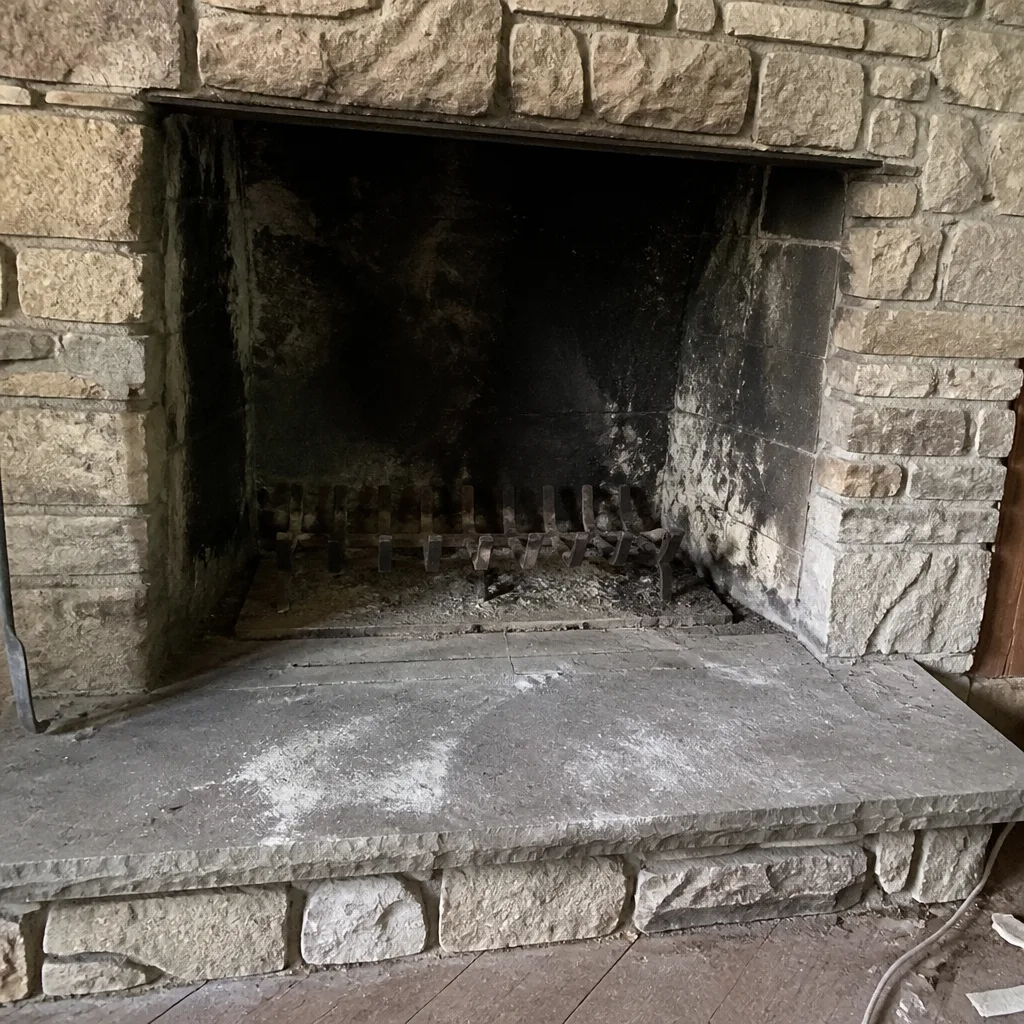 Before
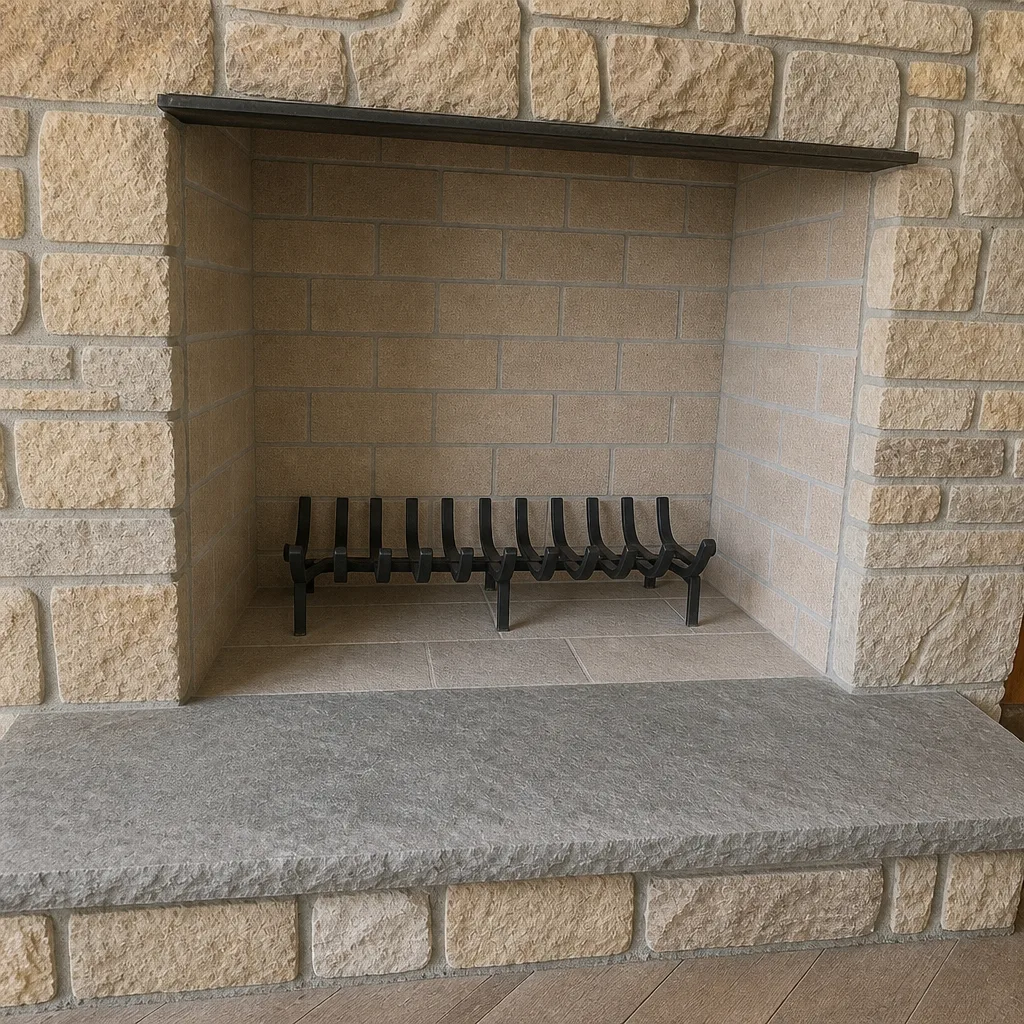 After
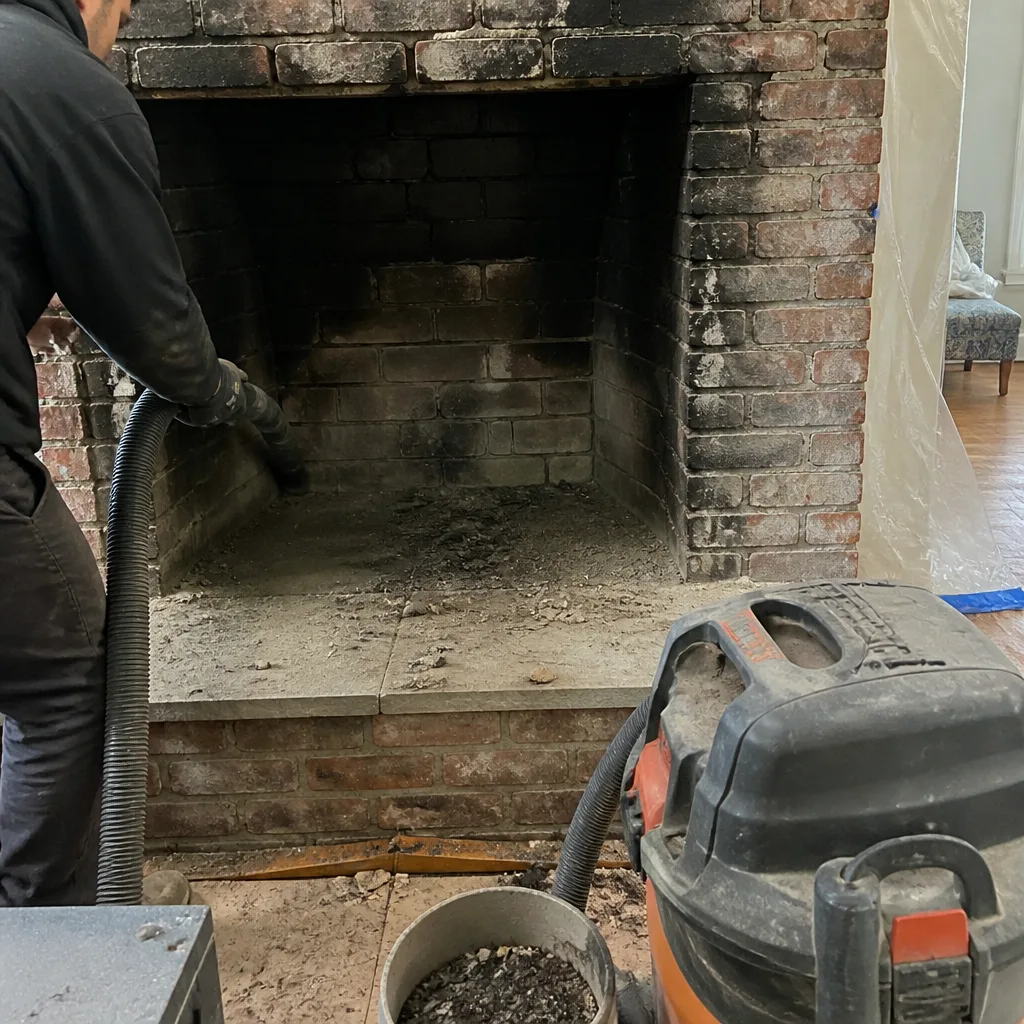 Before
 After
 Before
 After
When to Call a Professional
Some things you can check yourself with a flashlight, and we want you to. Look in the firebox for shaling fragments, rust on the damper, white residue, and soot streaks. Look up from the ground at the cap, the crown, the mortar joints, the flashing, and the brick faces. Listen for sounds that don’t match the fire. Smell for the persistent tarry or sulfur smell that doesn’t clear.
What you shouldn’t do is open up the flue, pull a damper, or attempt any repair on the chimney structure. The flue and the components above the firebox involve real fall risk and real fire risk, and the wrong material in the wrong spot makes a small problem bigger. If you find two or more of the signs in this guide, if the smell persists after a few fires, or if you have any doubt about the age or condition of your liner, book an inspection. Chimney Sweep Bedford Park offers free estimates in Bedford Park. Call (866) 937-7520. We answer 24/7, and fast dispatch runs from 7am to 7pm, Sunday through Friday.
Frequently Asked Questions
The first sign is usually a smell, specifically a sharp, tarry creosote smell that lingers even when the chimney is cold. If that smell shows up before the season starts, book a sweep and inspection before you burn. Call (866) 937-7520 for a free estimate.
No, and it isn’t just about the brush. Climbing to access the flue, working on a roof, and correctly assessing liner condition all carry real risk. A professional sweep and inspection does the job safely and identifies problems a homeowner can’t see from the firebox. Call (866) 937-7520 to book one.
Every job is priced per job by the written estimate, so the exact figure depends on the access, the condition of the flue, and the findings from the inspection. There’s no service-call fee, and the estimate is free. The written estimate you get before any work begins is the final price. Call (866) 937-7520 for an exact quote.
Yes. White staining on exterior masonry is efflorescence, and it means water is moving through the masonry from the inside out. The right fix is to stop the water at its source, which usually means the cap, crown, or flashing. Call (866) 937-7520 for an inspection.
Smoke spillback means the chimney isn’t holding its draft, and the cause is mechanical, not cosmetic. Common causes include a restricted flue, negative pressure inside the house, an oversized or cracked flue, or a deteriorated smoke chamber. The inspection tells you which one, and every recommendation we make is backed by camera evidence you can see yourself. Call (866) 937-7520 to book an inspection.
The inspection answers that. A tired but structurally intact liner can sometimes be restored with HeatShield resurfacing, while a liner that’s failed or is the wrong size gets a new DuraFlex liner. We don’t recommend either without camera evidence of the condition. Call (866) 937-7520 to schedule an inspection.
The Bottom Line
Chimney warnings rarely arrive as a dramatic event. They come as an efflorescence stain, a tarry smell that won’t clear, a lazy fire, a rusted damper, or a shower of shaling flakes in the firebox. Read those signs early and you’re dealing with a sweep, a cap, and a crown. Read them late and you’re dealing with structural repairs. The annual sweep is the anchor point, the inspection is the safety check, and the exterior checklist you can run yourself every season is the early warning system. If you find any of these signs in a Bedford Park home, don’t wait for the next burn to find out the answer. Do you need a chimney sweep, a repair, or an inspection? A professional can tell you in a single visit. Call (866) 937-7520 for a free estimate. We answer 24/7, and fast dispatch runs from 7am to 7pm, Sunday through Friday.
Written by the team at Chimney Sweep Bedford Park.