
Last updated November 25, 2026
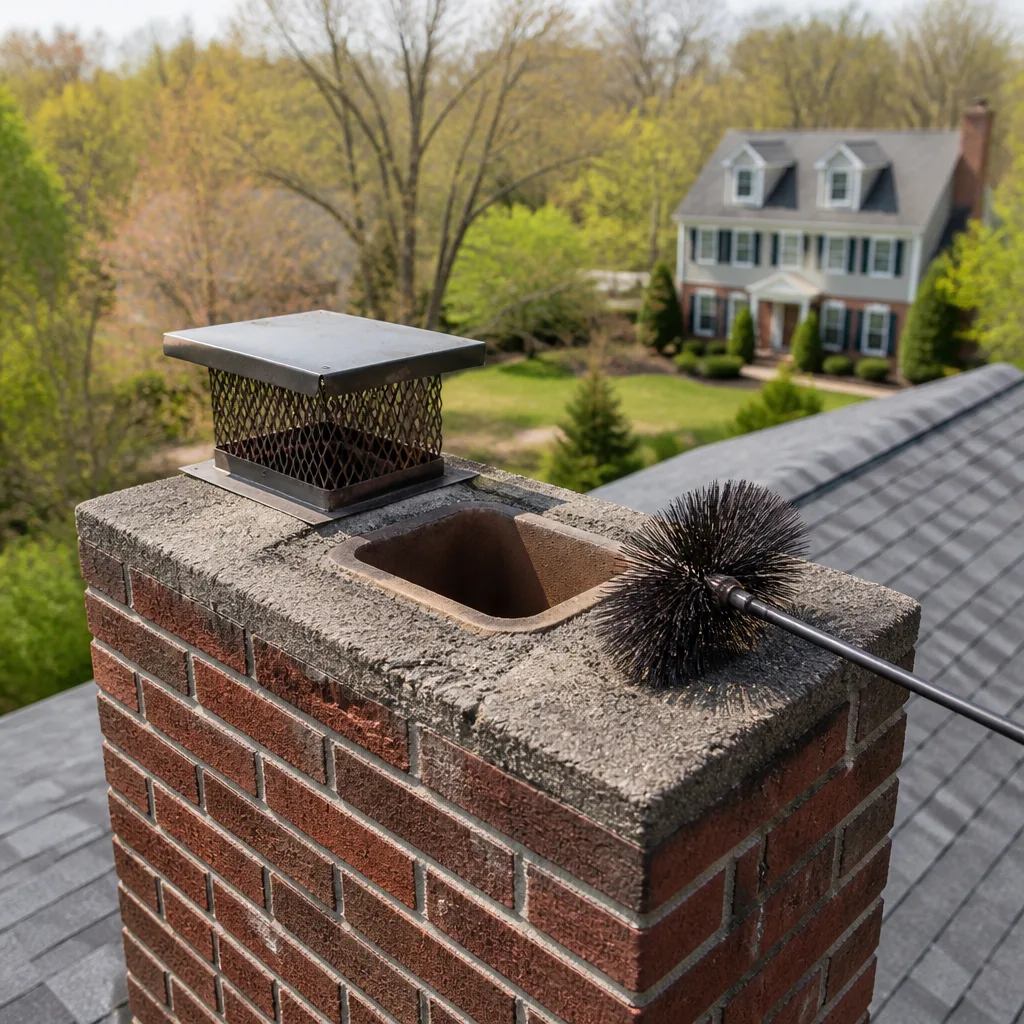 Sweep & inspection
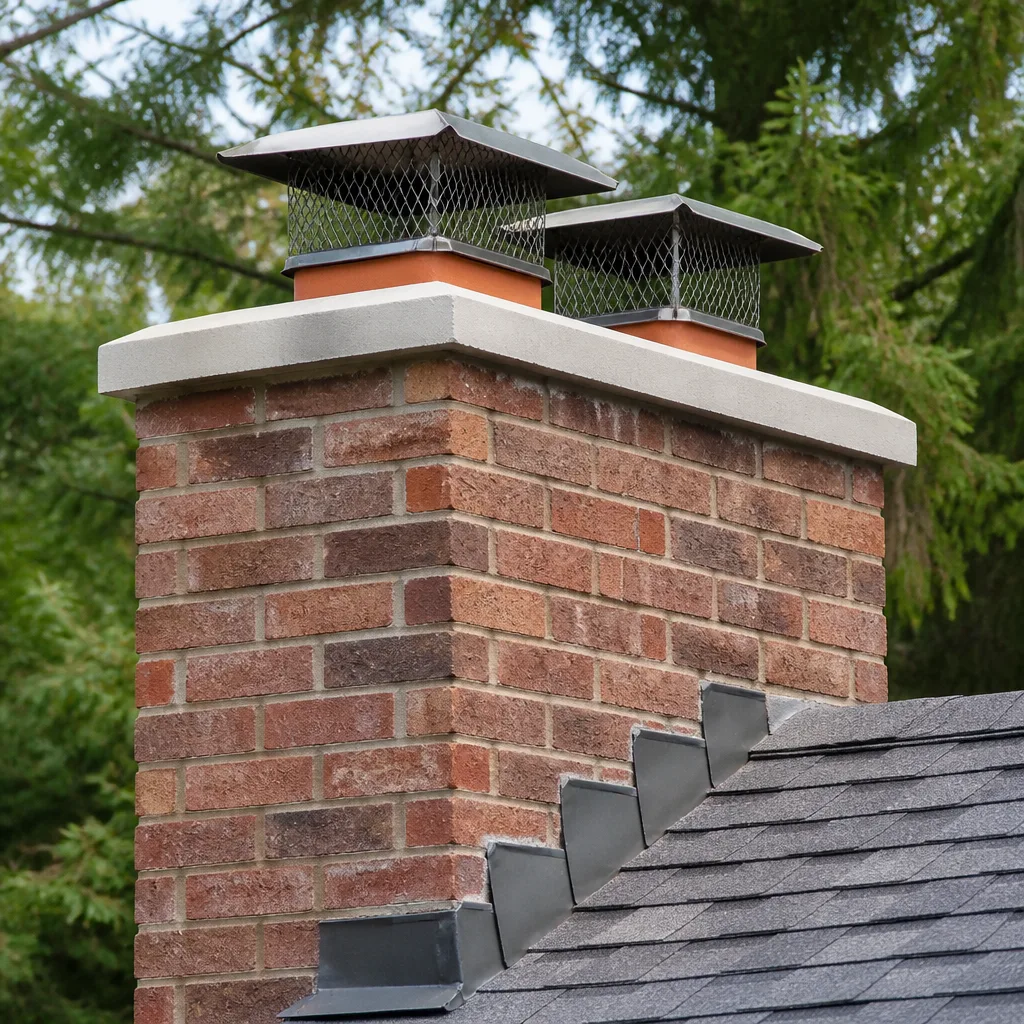 Caps & crowns
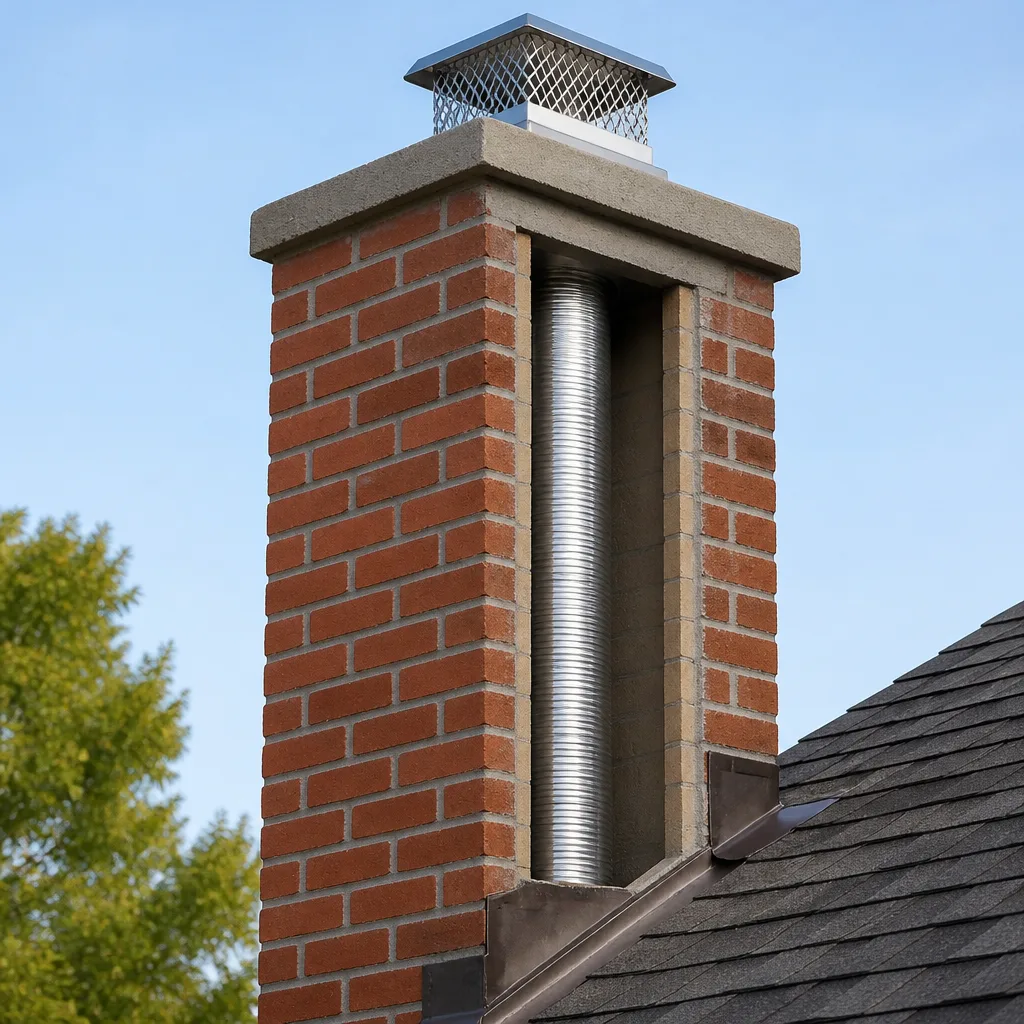 Flue relining
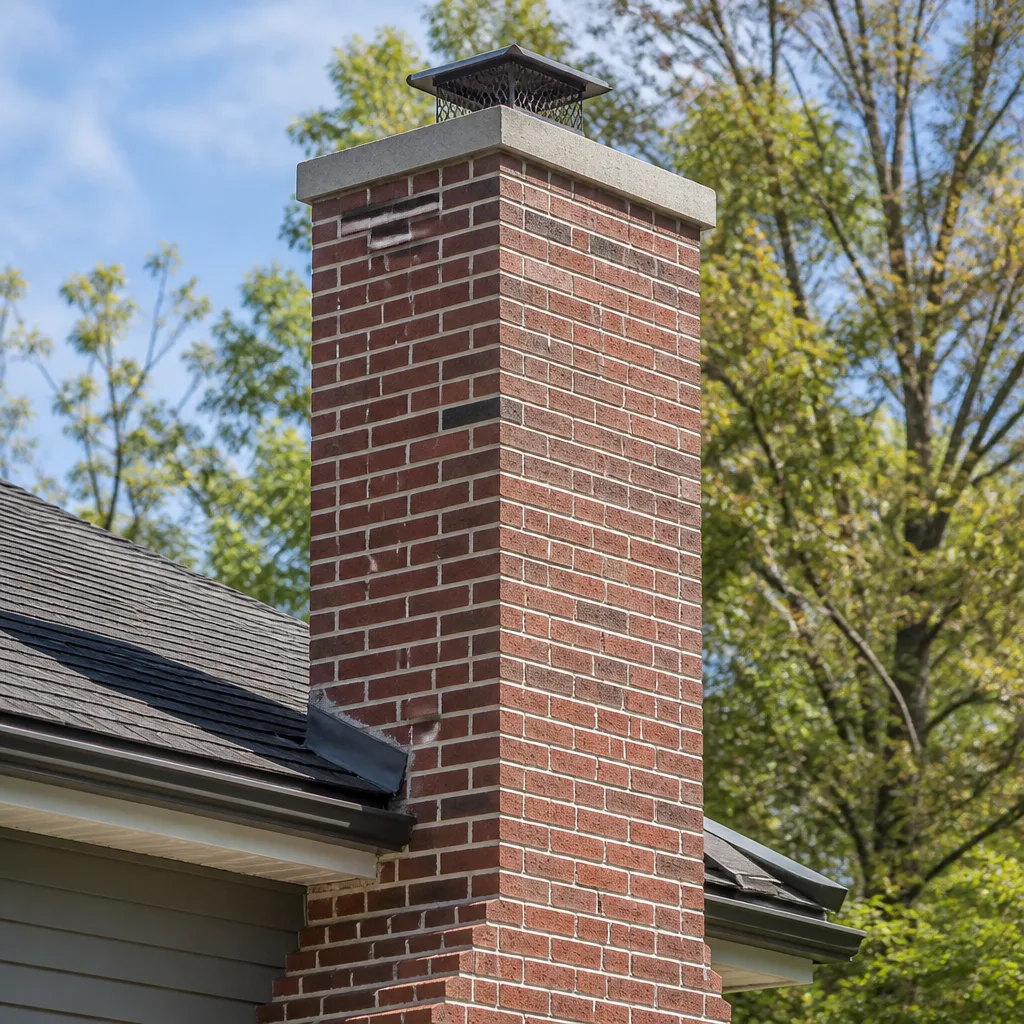 Masonry repair
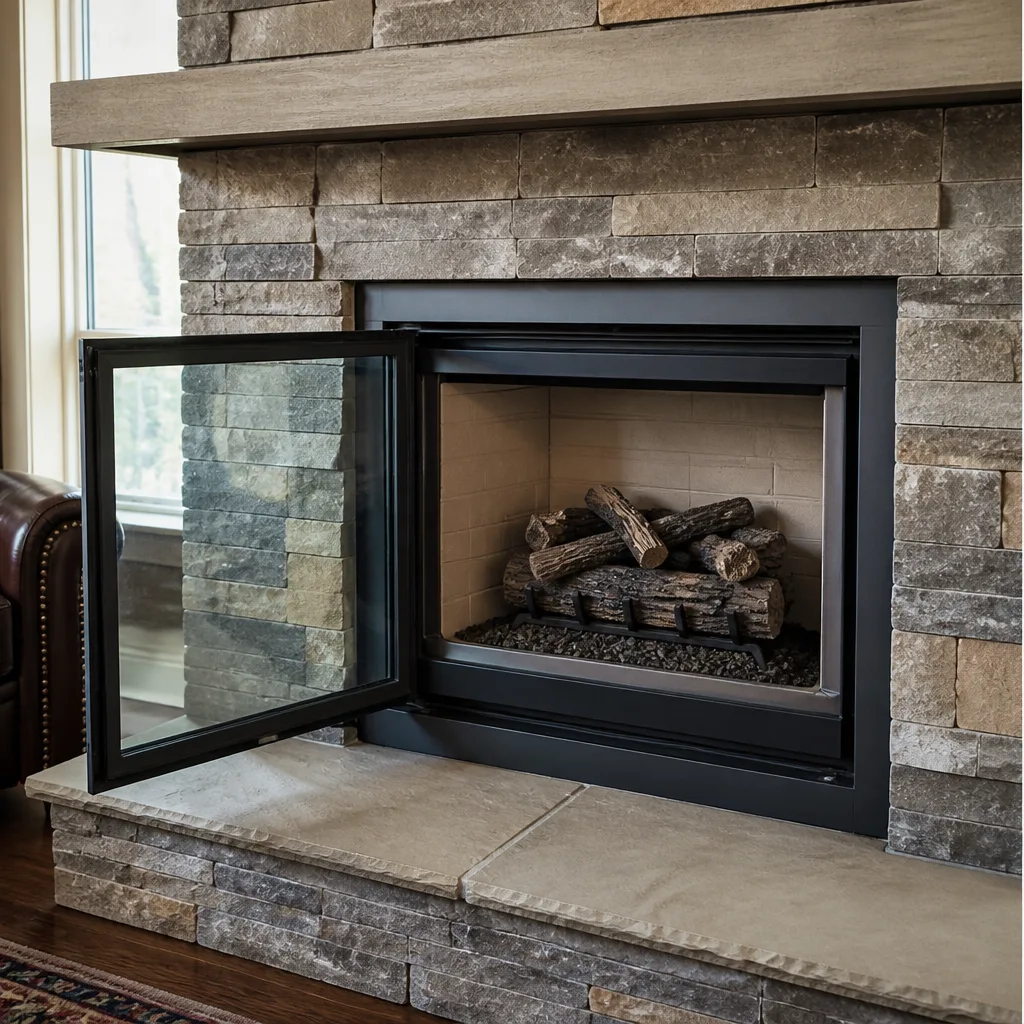 Gas fireplace service
Level 1 sweep and inspection to the NFPA 211 annual standard - flue, crown, cap, and flashing checked and photographed
Chimney sweep logs do not sweep chimneys. They loosen some creosote - which then falls where a brush and vacuum still have to collect it.
Chimney Cleaning Emergency Preparedness Guide for Bedford Park Homes
A chimney fire can reach 2,100°F and put itself out in under ten minutes without ever showing flame above the roofline. What it leaves behind is a liner cracked by thermal shock, and most homeowners in Bedford Park light that same fireplace again the next evening without knowing anything happened. Normal combustion noise covers the sounds. Smoke smell blends into the smell of a fire already burning. The house feels fine, so the house gets used.
This guide is about closing that gap. It covers how to tell a chimney fire from routine burning, the exact sequence to follow when you suspect one, why a carbon monoxide event from a chimney looks nothing like a house fire, and what a chimney system needs before it can be trusted again. You’ll also get the documentation an insurer will ask for. Read it once now, before the heating season starts, and you’ll know what to do when the stakes are high.
Quick Answer
Chimney fire preparedness for a Bedford Park home comes down to five things: a documented inspection each year, a clean flue, working smoke and carbon monoxide alarms on every level, a known response sequence for a suspected fire, and a Level 2 inspection before the chimney is used again after any event. A chimney that survives a fire cannot be returned to service until that inspection confirms the liner and structure are intact.
Styles & brands we work with
- Sweep & inspection
- Caps & crowns
- Flue relining
- Masonry repair
- Gas fireplace service
Table of Contents
- Why Bedford Park Chimneys Are Set Up for Trouble
- How to Tell a Chimney Fire Is Happening Right Now
- The Correct Response Sequence, Step by Step
- Carbon Monoxide vs. Smoke: Two Different Emergencies
- What a Chimney Needs After a Fire Before You Use It Again
- What a Level 2 Inspection Must Actually Cover
- Talking to Your Insurance Company After a Chimney Event
- Prevention: Building the Plan Before You Need It
Why Bedford Park Chimneys Are Set Up for Trouble
Bedford Park sits in the north Bronx, and the housing stock here shapes how chimneys fail. Many of the homes around Bedford Park Boulevard, Decatur Avenue, and the streets off East 204th were built when masonry fireplaces were standard, and their flues have been through a lot of heating seasons since. Older brick absorbs moisture. Clay tile liners develop hairline cracks that nobody sees from the firebox. Mortar joints soften. None of that stops a fire from burning safely for years, which is exactly why the problem goes unnoticed.
Then there’s the way people actually burn. New York winters push homeowners toward dense hardwoods and long, hot fires, sometimes with seasoned wood and sometimes with whatever was available. Cooler, smoldering fires produce more creosote. Hotter fires ignite it. A flue that’s carried a moderate load for a decade can reach a tipping point in one cold January week.
The local weather matters too. Bedford Park gets freeze-thaw cycles through the winter, and water that works into a crown crack or a mortar joint expands when it freezes. Those small openings widen season after season. A cap that’s missing or damaged lets rain straight into the flue, and wet creosote is more combustible than dry. We’ve pulled apart crowns in this neighborhood that looked solid from the ground and crumbled at a touch.
None of this makes a chimney dangerous by itself. It makes it worth knowing. The homes most at risk in Bedford Park are the ones that have been used regularly and never inspected, because regular use feels like proof that everything is working. It isn’t. Our technicians have up to 11 years of experience with exactly this pattern, and the fix is always cheaper than the aftermath.
How to Tell a Chimney Fire Is Happening Right Now
A chimney fire can be loud or completely silent, and the silent kind is the one that fools people. There are two rough profiles. The free-burning fire is a roaring event with unmistakable signals. The slow, smoldering fire burns low in the flue, produces quiet heat, and can extinguish itself before anyone in the house notices anything at all. The second type is the more common cause of structural damage, because the homeowner keeps using the fireplace afterward.
Sounds to listen for
Beyond the normal crackle of a fire, a chimney fire often produces a low rumbling like a distant train, a series of popping or tapping sounds inside the flue, or a roar that seems too loud for the fire you see. In some cases you’ll hear nothing.
Smells to notice
A hot, sharp, almost metallic smell is a warning sign, and so is a strong creosote odor in a room where the fire smells normal. If smoke appears in the room while the damper is open and the flue is drawing the way it usually does, treat that as a signal, not a draft problem to be tolerated.
Visual signs
- Dense smoke or sparks coming from the top of the chimney
- Flames visible above the chimney crown
- Creosote flakes or dark debris on the roof or ground nearby
- Discolored or warped metal on a prefabricated chimney or cap
- Heat that feels stronger than expected on the chimney breast wall inside the house
- A puffy, honeycombed look to creosote inside the firebox when you look up with a light
Any one of these is enough to act on. You don’t need all of them, and waiting for the obvious ones is how a small fire becomes a structural problem. A chimney sweep visit before the season is how you learn whether your flue is carrying the kind of buildup that makes ignition likely; a clean flue removes the fuel a chimney fire needs.
The Correct Response Sequence, Step by Step
When you suspect a chimney fire, sequence matters more than speed. The wrong first move can turn a contained flue fire into a house fire, and the right ones buy time for the fire department. Here’s the order we teach homeowners.
- Get everyone out of the house and call 911. This comes first, before anything else on this list. A chimney fire is a fire department matter until a professional says otherwise. Don’t go up on the roof to look, and don’t wait to see whether it gets worse.
- Close the glass doors or the fire screen and shut the flue damper. This is the step people misunderstand. Closing the damper starves the fire of the air rushing up the flue, which slows it and helps contain it inside the chimney instead of pulling it into the room. What it does not do is put the fire out. Creosote has its own oxygen supply in the buildup itself, and the flue can hold enough heat to reignite. The damper is a containment move, not a solution.
- If you have a chimney fire extinguisher or a box of baking soda, you can use it in the firebox. Never pour water into a hot firebox or flue. Water on a fire at that temperature creates a steam expansion violent enough to crack masonry, and it can send ash and hot gases into the room.
- Leave the house and stay out until the fire department clears it. Keep the doors closed behind you. Firefighters handling a chimney fire from the roof need the house clear.
- Don’t relight the fireplace that day or the next. This is the step most homeowners skip. The fire is out, the house is standing, and the fireplace looks fine, so it gets used. The liner hasn’t been examined yet and may be failing invisibly.
- Book a Level 2 inspection before any further use. More on what that involves below.
If you smell smoke in the house during a fire but see no fire, still call 911 if anyone feels unwell, and get out either way. Better a fire crew that finds nothing than a fire crew arriving at a house full of smoke.
Carbon Monoxide vs. Smoke: Two Different Emergencies
A chimney-related carbon monoxide event does not look like a fire, smell like a fire, or set off a standard smoke alarm. That’s the core problem. Smoke is visible and has an odor, so people respond to it. Carbon monoxide is colorless, odorless, and produces no visible sign in the room until someone gets sick. Standard smoke detectors are not built to catch it. A working CO alarm is the only device that will.
Bedford Park homes with fuel-burning appliances are the ones that need this on their radar. A fireplace is one source, but boilers and furnaces vented through the same chimney or flue system are another, and a damaged flue from a creosote fire can spill exhaust into a house instead of carrying it up and out. A blocked or cracked chimney that’s shared with a heating appliance is a carbon monoxide pathway. This is one of the reasons we treat a chimney inspection as a standalone safety assessment rather than an add-on after a sweep.
What to look for in a CO event
- Headaches, dizziness, or nausea in several people at once, especially improving when they leave the house
- Drowsiness or confusion that clears in fresh air
- A CO alarm sounding, which alone is enough to act on
- Soot streaks or dark staining around the fireplace opening, or a fire that won’t draw properly
- A yellow or orange flame where you’re used to blue on a gas appliance
If a CO alarm sounds, get everyone outside and call the fire department or your gas utility’s emergency line. Do not ventilate the house first and do not search for the source yourself. The reason: opening windows clears the alarm but leaves the appliance still leaking, and it destroys the evidence a technician needs to find the failure.
Where to place alarms
Every bedroom, every common area on each floor, and any hall outside a sleeping area should have a CO alarm. Test them at the start of every heating season and replace the batteries when you change your clocks. For smoke alarms, a chimney fire in the flue may or may not set one off depending on where the alarm sits and how quickly smoke escapes into the room. Alarms are a backstop, not your first line of detection.
What a Chimney Needs After a Fire Before You Use It Again
Once the fire is out, the house gets a professional inspection before the chimney is used again. Not a visual glance from the firebox, not a sweep, not a friend-of-a-friend who says it looks fine. The standard is a Level 2 inspection, and this is where a lot of prevention gets thrown away by skipping a step.
The reason is simple: heat damage is invisible from inside the room. A fire at 2,100°F can crack clay tiles, warp a prefabricated liner, distort the metal chimney, and compromise the mortar joints that hold the masonry together, and none of it shows from the firebox floor. The chimney will still look normal. It may draw perfectly well. The damage is found on camera, from the top, or from inside the flue, which is why a proper inspection is not something a homeowner can substitute with a strong flashlight.
What happens after the inspection
- Clean flue, no damage: the chimney is swept, the inspection is documented, and you can use the fireplace again
- Cracked liner: repairs come from a range of options. A chimney repair plan depends on what’s actually failed. A short crack in a clay flue is not the same problem as a warped prefabricated liner. A DuraFlex stainless relining system addresses a liner that’s compromised throughout, while HeatShield resurfacing is a professional method for restoring capability without fully relining in some cases. Both come from material choice, not guesswork
- Damaged crown or a missing cap: the inspection will catch it, and that’s the best time to deal with it. Water getting in through a failed crown or an open flue top feeds the same freeze-thaw damage that shortens masonry life. A chimney cap & crown fix closes the opening and stops the water
- Firebox or fireplace damage: if the firebox masonry or the fireplace damper was affected, that’s a fireplace repair problem alongside the chimney work
We work with name-brand materials because what goes into your chimney determines how long the fix lasts: DuraFlex for relining, HeatShield for flue resurfacing, Gelco and Famco for caps and covers built specifically for weatherproofing. One company, every part of the system. If you’d rather have one team handle sweep, cap, crown, and repair than chase down three separate contractors, that’s the value in the arrangement.
What a Level 2 Inspection Must Actually Cover
A Level 2 inspection is what NFPA 211 calls for after a chimney fire or any change to the system, and it’s more thorough than what you get during a normal sweeping visit. It covers the chimney and venting system in the condition it’s actually in, and it reaches the parts a basic inspection doesn’t see. Here’s what should be part of it.
- The firebox and the area just above it. Visible cracking, joint separation, and any sign of overheat
- The flue itself, all the way up. A camera inspection, top to bottom, checking for cracked or displaced tiles, gaps at joints, and washout in the masonry behind the tiles
- The top of the chimney from the roof. Cap, crown, and spark arrestor condition, and whether water is getting in
- All accessible portions of the venting system. Including any appliance sharing the chimney, and in some cases areas of the attic, crawlspace, or other accessible spaces
- Structural condition of the masonry. Joints, brick, and any sign of movement or discoloration from heat
- A written report with photos. Ask for it. You need it for two reasons: it’s how you know the chimney is safe, and it’s what an insurer will ask you for
A serious inspection produces a written report with photos that documents what was found and what’s recommended, in plain language. If a company can’t provide a photo report, that’s a sign to look elsewhere. And if the inspection says nothing needs doing, that’s a valid outcome. Our technicians have up to 11 years of experience, and in that time the honest answer has often been “clean it and leave it alone for now.”
Talking to Your Insurance Company After a Chimney Event
An insurance claim after a chimney fire goes more smoothly when you can show you maintained the chimney before the loss. This is the part nobody plans for, and it’s the part that can decide whether a claim for lining or masonry work is paid.
What to have ready before you call
- The inspection report from the most recent pre-fire inspection, if you had one. This shows regular maintenance and undercuts a “lack of maintenance” denial
- The Level 2 inspection report completed after the fire, with photos, dated
- Your sweep receipts or service records going back as far as you have them
- A written repair estimate that itemizes each component: liner, crown, cap, masonry, firebox
- Photos of anything visible in the house, like smoke staining or debris, and a note of dates and times
What the insurer typically wants to see
Insurers want a chronology, not a summary. When did you last have the chimney serviced? When did the fire happen? When was the house built, and when was the chimney last inspected? The inspection report format that supports a claim is one that states findings by location in the system, dates the inspection, and pairs each finding with a photograph. A report that says “chimney needs repair, $X” without component-level detail invites questions.
Here’s where we can help. We provide a written photo report with the inspection, and we can put the repair estimate in a form that tracks the findings in the report. That way the insurer sees one document that matches another instead of two estimates from two companies that don’t agree. A claim is ultimately between you and your insurer, but our documentation makes that paperwork easier to argue from.
Prevention: Building the Plan Before You Need It
The best time to prepare for a chimney emergency is when nothing is wrong with the chimney. That’s not a trick to sell annual service. It’s how a real plan works: you check the system when it’s calm so you know what’s in it, and you have responses memorized before you need them at speed.
What a Bedford Park home’s plan covers
- Annual inspection and sweep, booked before the season. Creosote builds to the point of ignition slowly, and a sweep removes it before it’s a risk. A visual check each year also catches liner and crown issues early
- Working smoke and CO alarms on every level. Tested each heating season, with batteries replaced on schedule
- A written response sequence you and your family know. Get out, call 911, close the damper, stay out until cleared, no relighting
- A photo inspection report on file. This is your baseline if a fire or a CO event ever happens, and it’s what supports an insurance claim
- A cap and crown in good condition. These are the two openings where water gets in, and water damages the same masonry that a chimney fire damages
Bedford Park winters are the pressure point. Once the heating season starts, a chimney that’s been deferred becomes a decision made under pressure. We’d rather look at it in the fall when there’s still time to schedule the work than get a call in January after a fire.
A chimney inspection isn’t an add-on. It’s how we make sure your fireplace is safe to light, and it’s the piece of the plan that determines everything else. If the inspection turns up a problem, the same company can handle the sweeping, the cap and crown, and the repair. Clean flue. Sound crown. Proper cap. That’s a chimney that’s ready for the season. If you want a professional to walk the whole system with you, start at Chimney Sweep Bedford Park.
Common Mistakes to Avoid
- Waiting for visible flames before calling 911. A chimney fire can be silent and self-extinguishing, and waiting for the dramatic version means losing time you needed. If you hear a roar or smell that hot metallic odor, treat it as a fire.
- Relighting the fireplace after a suspected fire without an inspection. The fire being out doesn’t mean the flue is usable. Heat-damaged liners fail invisibly, and using the chimney again is how a small problem gets worse. This is the mistake we see most in Bedford Park.
- Assuming a smoke alarm covers a CO event. Standard smoke detectors aren’t built to catch carbon monoxide, and a chimney-related CO event produces no smoke and no smell. The only device that will catch it is a CO alarm.
- Going on the roof during a chimney fire to check. That’s a fall risk in the dark and a hazard while the fire department is working. Get out of the house instead of up on it.
- Pouring water into a hot firebox or flue. The thermal shock can crack masonry and send a steam expansion into the room. Water and a hot flue don’t mix.
- Skipping the annual inspection for a few seasons because the fireplace “works fine.” Working fine is what a chimney does right up until the liner has a crack or the creosote has built to the point of ignition. There’s no visible sign until there’s a problem.
- Getting a post-fire inspection without a written report. If it isn’t documented with photos, you can’t use it to show your insurer the chimney’s condition before and after the event. Ask for it in writing every time.
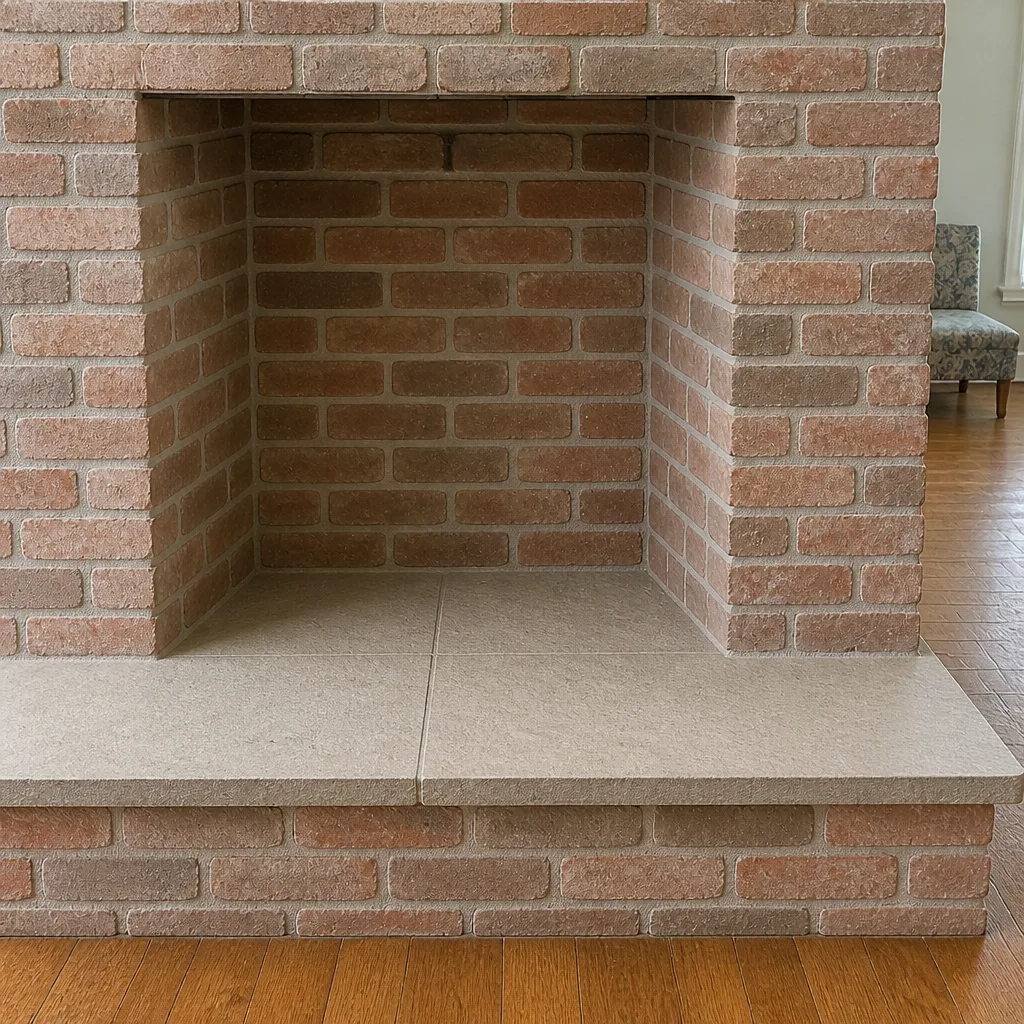
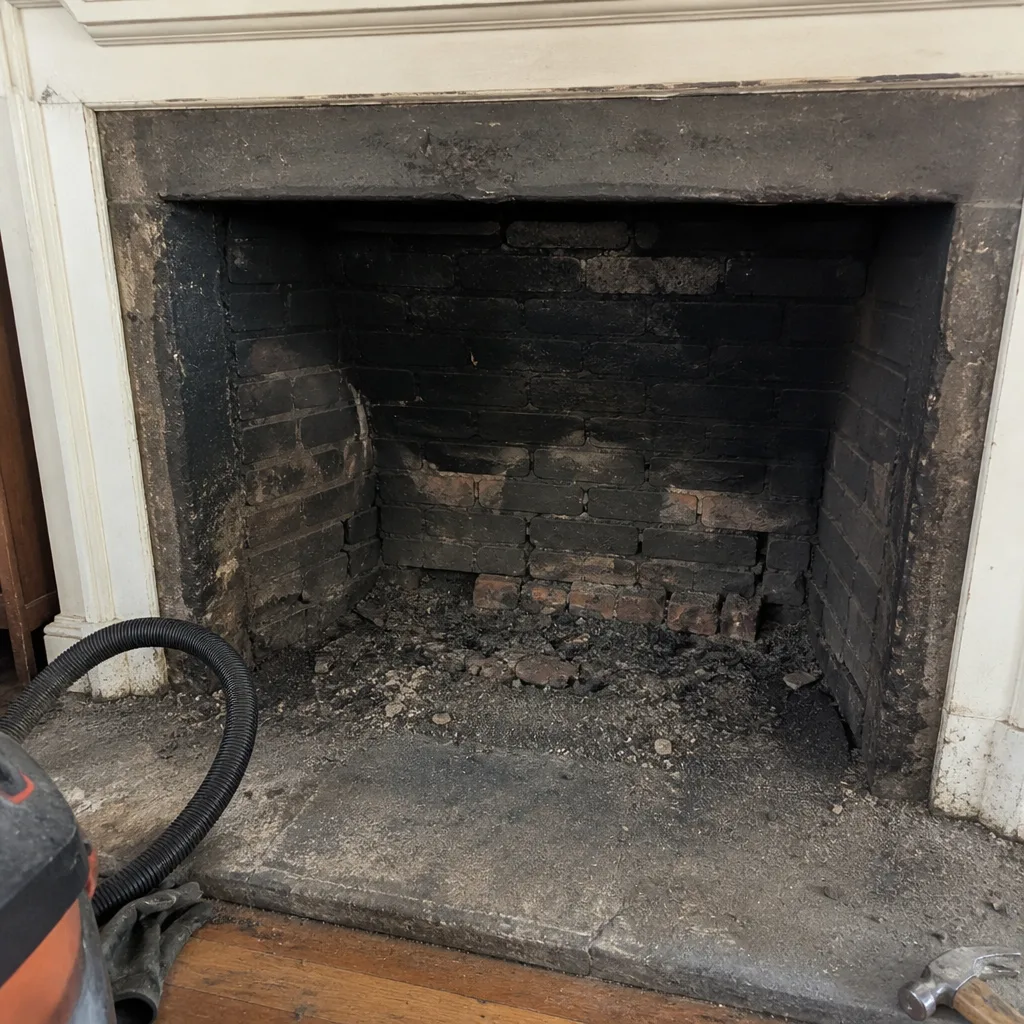
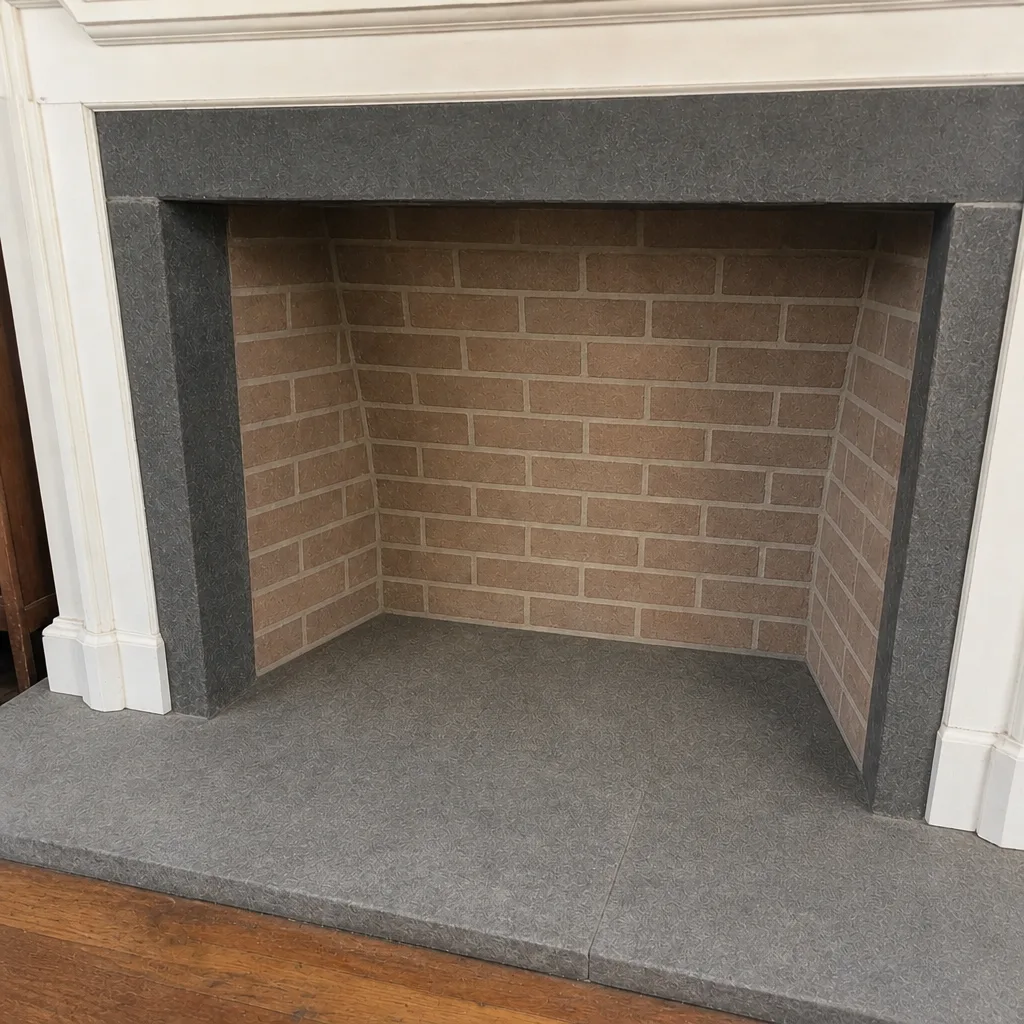
See the difference
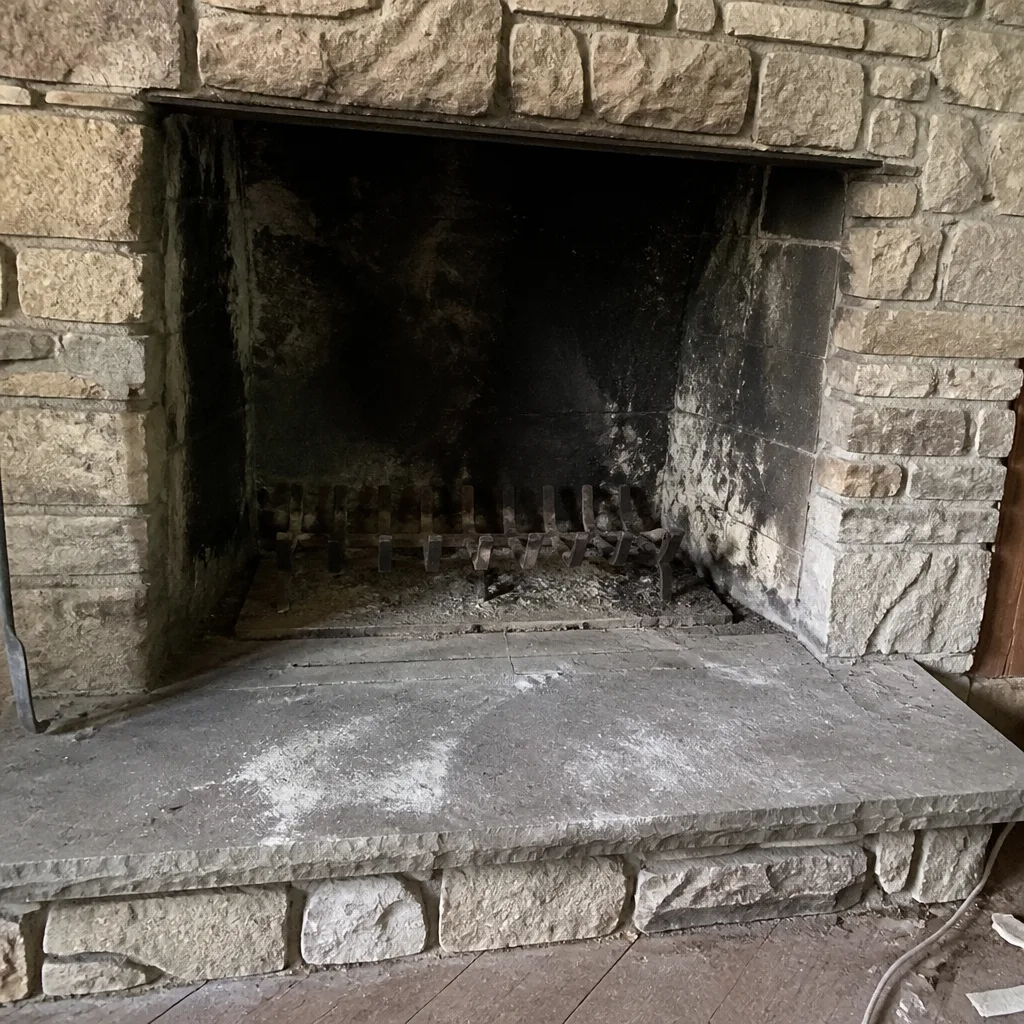 Before
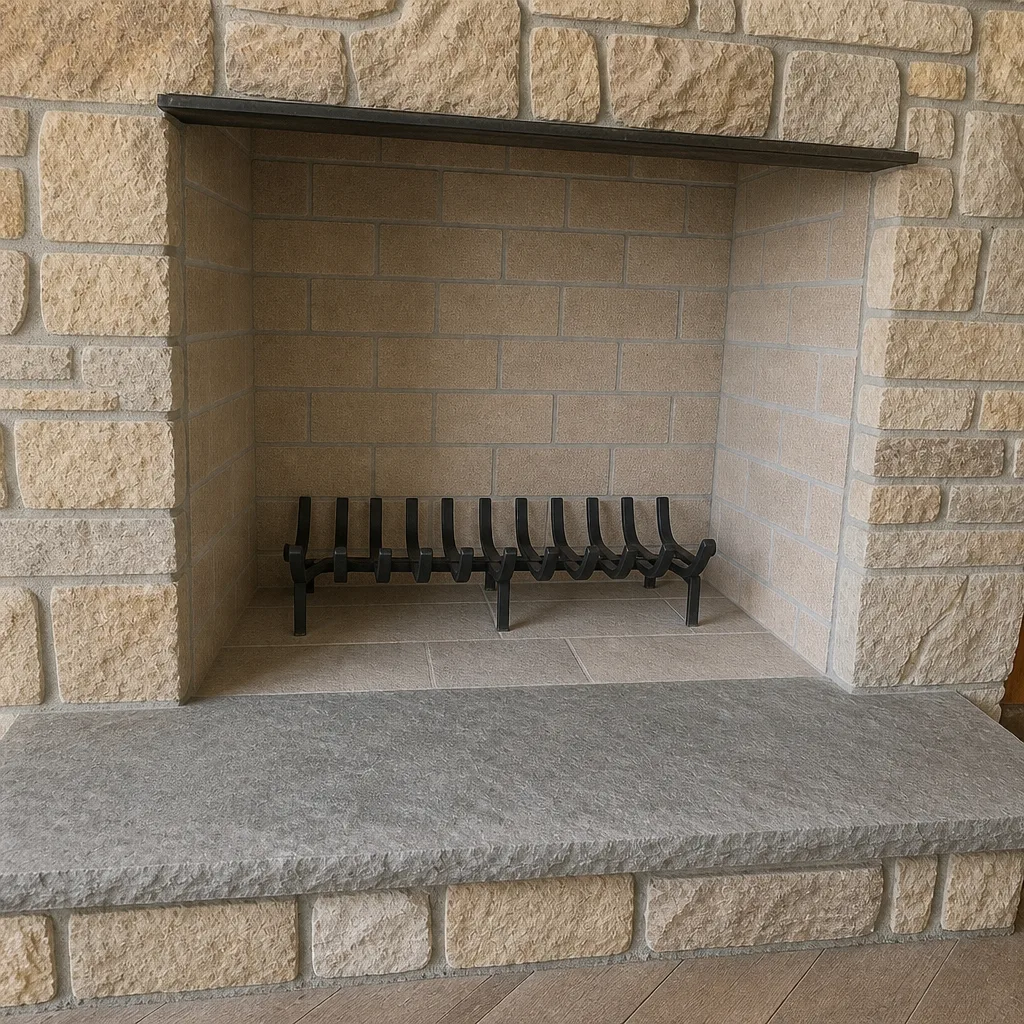 After
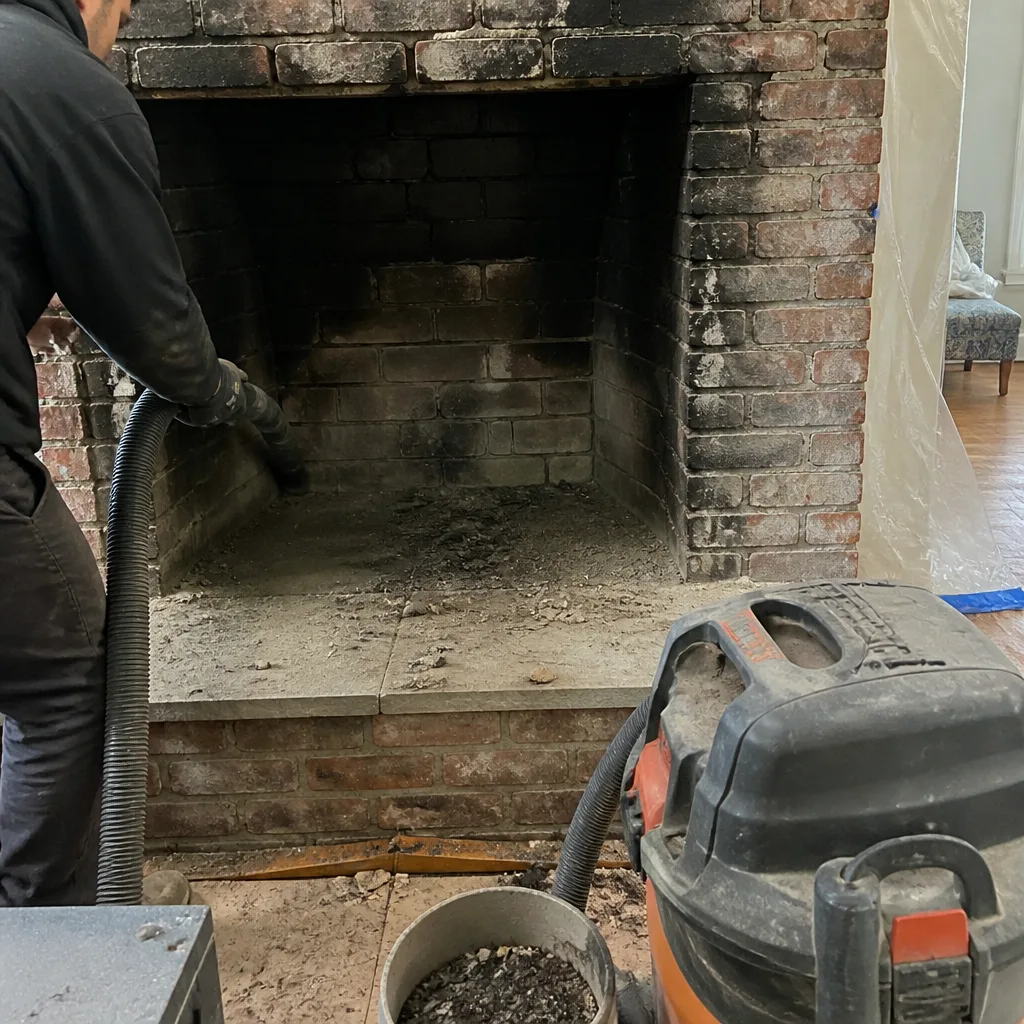 Before
 After
 Before
 After
When to Call a Professional
Some situations are clear: a suspected chimney fire, a CO alarm, smoke in the room with the damper open, damage visible at the top of the chimney. Those are call-now events, and the first call is 911. The rest are calls to schedule. A chimney you’ve used all season without a sweep, a cap missing since last winter, a crown with a visible crack, a strong creosote smell after a hot fire, or a firebox with loose brick: each is a job for a trained chimney professional, not a generalist. The same goes for a flue that’s shared with a boiler or furnace, since a failure there has consequences beyond the fireplace.
Chimney Sweep Bedford Park offers free estimates in Bedford Park. Call (866) 937-7520. We answer 24/7, and fast dispatch from 7am to 7pm, Sunday through Friday. One company handles the full cycle: chimney cleaning, chimney cap & crown work, chimney repair, fireplace repair, and chimney inspection.
Frequently Asked Questions
You may know from what you heard (a roar, popping, or rumbling sounds inside the flue), what you smelled (a hot metallic odor or a stronger-than-usual creosote smell), or what you saw (smoke or sparks at the top of the chimney, or a warped cap). You may also notice nothing at all, which is why an inspection after any suspicion matters more than your own assessment. A Level 2 inspection finds heat damage that isn’t visible from inside the room. Call (866) 937-7520 to get one scheduled.
No. A chimney that survived a fire cannot go back into service until a Level 2 inspection confirms the liner, flue, crown, and masonry are intact. The fire can crack clay tiles and warp prefabricated liners without leaving any visible trace from the firebox. Using the chimney before that inspection is how a contained fire becomes a structural repair. Get the inspection first, then relight.
Get everyone out of the house and call 911. Then, if you’re still inside and it’s safe, close the fireplace glass doors or screen and shut the flue damper to slow air feeding the fire. Never go up on the roof to look. Closing the damper contains the fire in the flue; it doesn’t put it out. Stay out of the house until the fire department clears it. Call (866) 937-7520 after the event to schedule the post-fire inspection.
No. Standard smoke detectors respond to smoke particles, and carbon monoxide has no particles and no smell. A chimney that’s spilling exhaust into a house because of a cracked or blocked flue produces a CO event that smoke detectors won’t register. You need dedicated CO alarms in bedrooms, common areas on each floor, and the hall outside sleeping areas. Test them every heating season.
No. Closing the damper reduces the air supply and helps contain the fire inside the chimney, but creosote burning in the flue has enough fuel and heat to keep going on its own. The damper is a containment step, not an extinguisher. Call 911 and get out. A fire department on the scene is what actually puts a chimney fire out.
Your most recent pre-fire inspection report, the post-fire Level 2 inspection report with photos, any sweep or service records, and an itemized written repair estimate. Insurers want a timeline (last service, fire date, inspection dates) and findings that are tied to photos. A photo inspection report with date-stamped findings and a matching estimate is the format that supports a claim. Call (866) 937-7520 to schedule a documented inspection.
The Bottom Line
Most chimney emergencies start small and invisible, then get expensive. A silent fire cracks a liner. A cracked crown lets in water that freezes and widens. A blocked flue spills carbon monoxide into a room with no smoke to warn you. The homes that come through these events well are the ones with a plan already in place: annual inspection and sweep, working smoke and CO alarms, a response sequence everyone knows, and a documented Level 2 inspection before the chimney is used again. If you take one step this season, make it the inspection. Call (866) 937-7520 for a free estimate. We answer 24/7 with fast dispatch from 7am to 7pm, Sunday through Friday.
Written by the team at Chimney Sweep Bedford Park.