
Last updated November 25, 2026
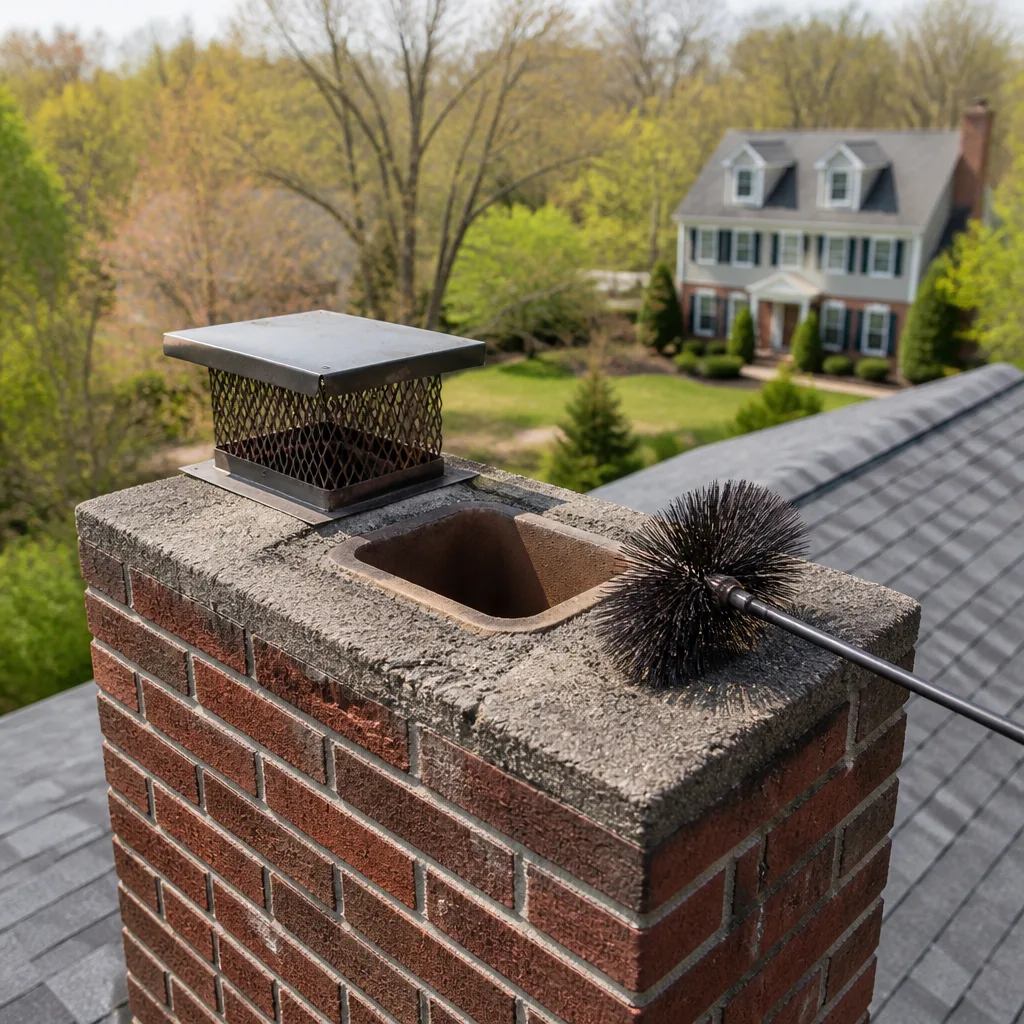 Sweep & inspection
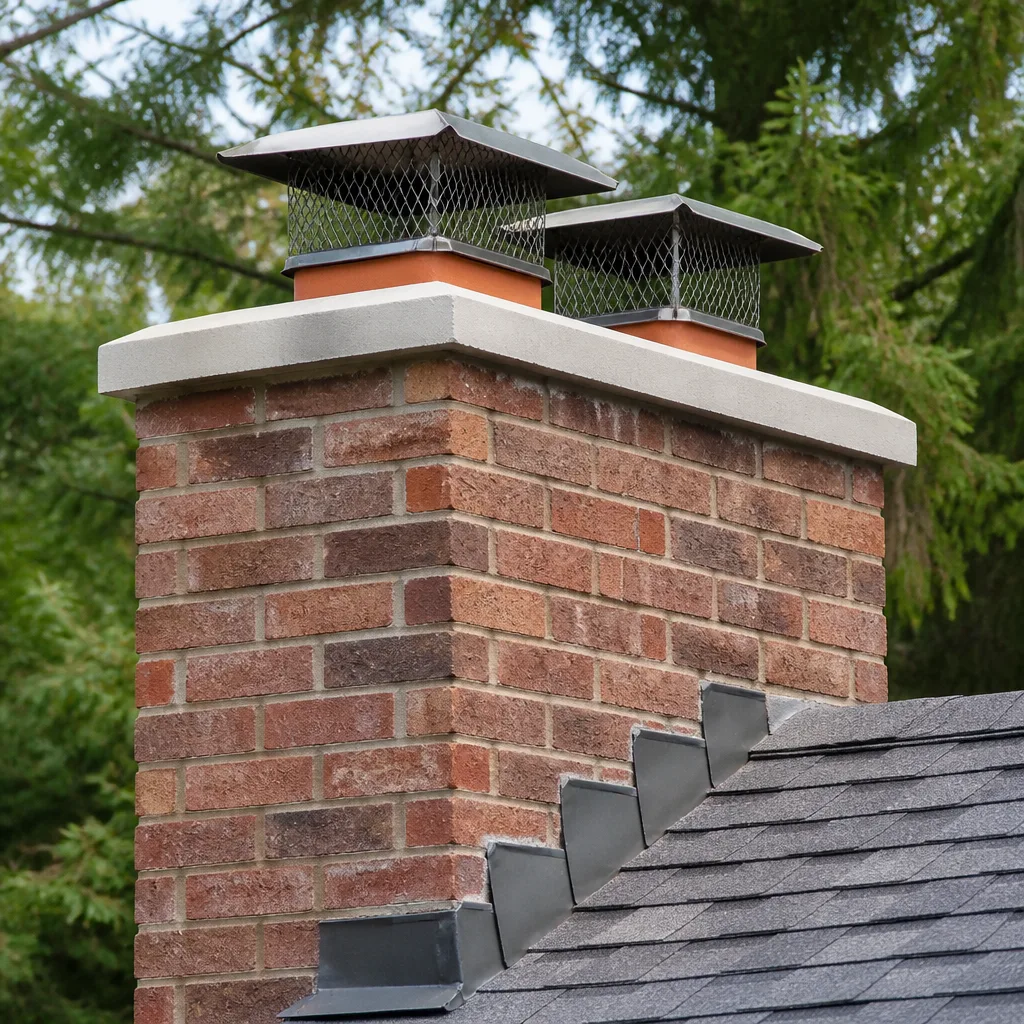 Caps & crowns
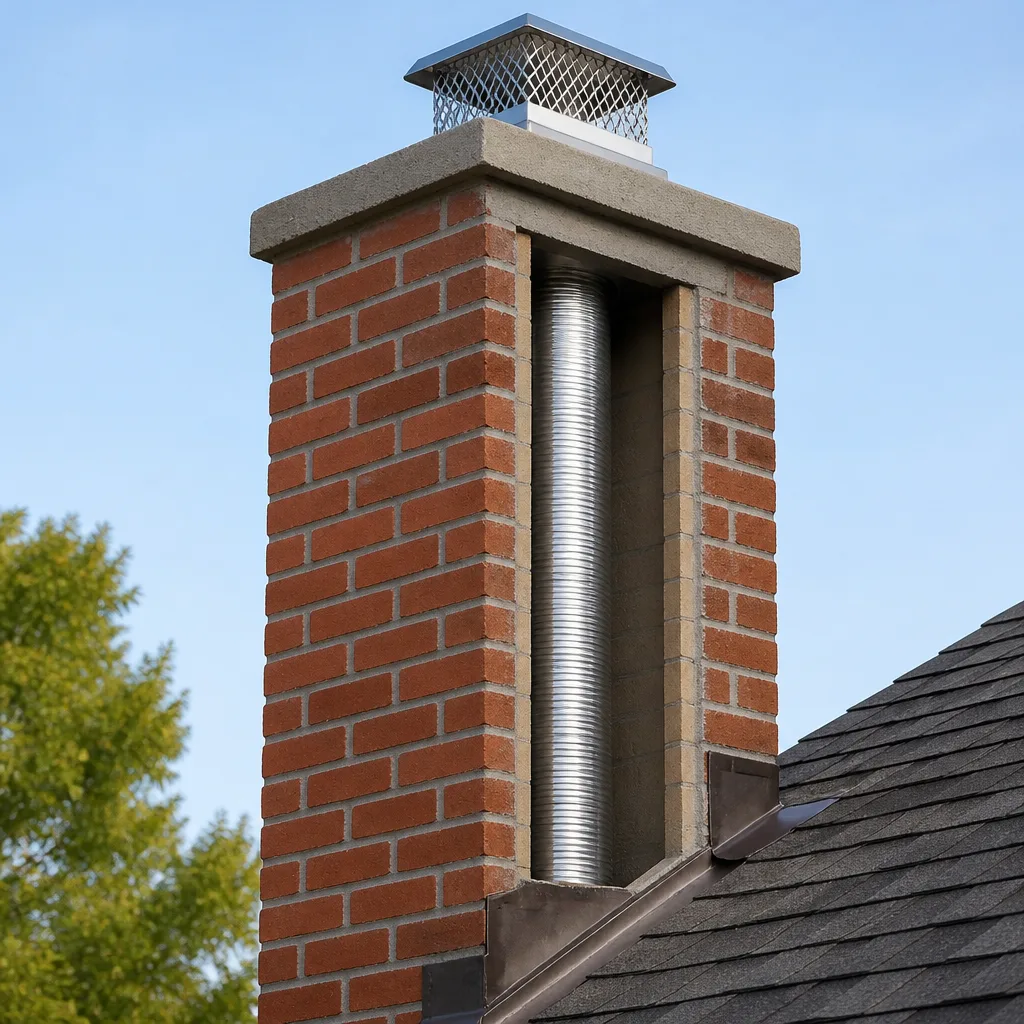 Flue relining
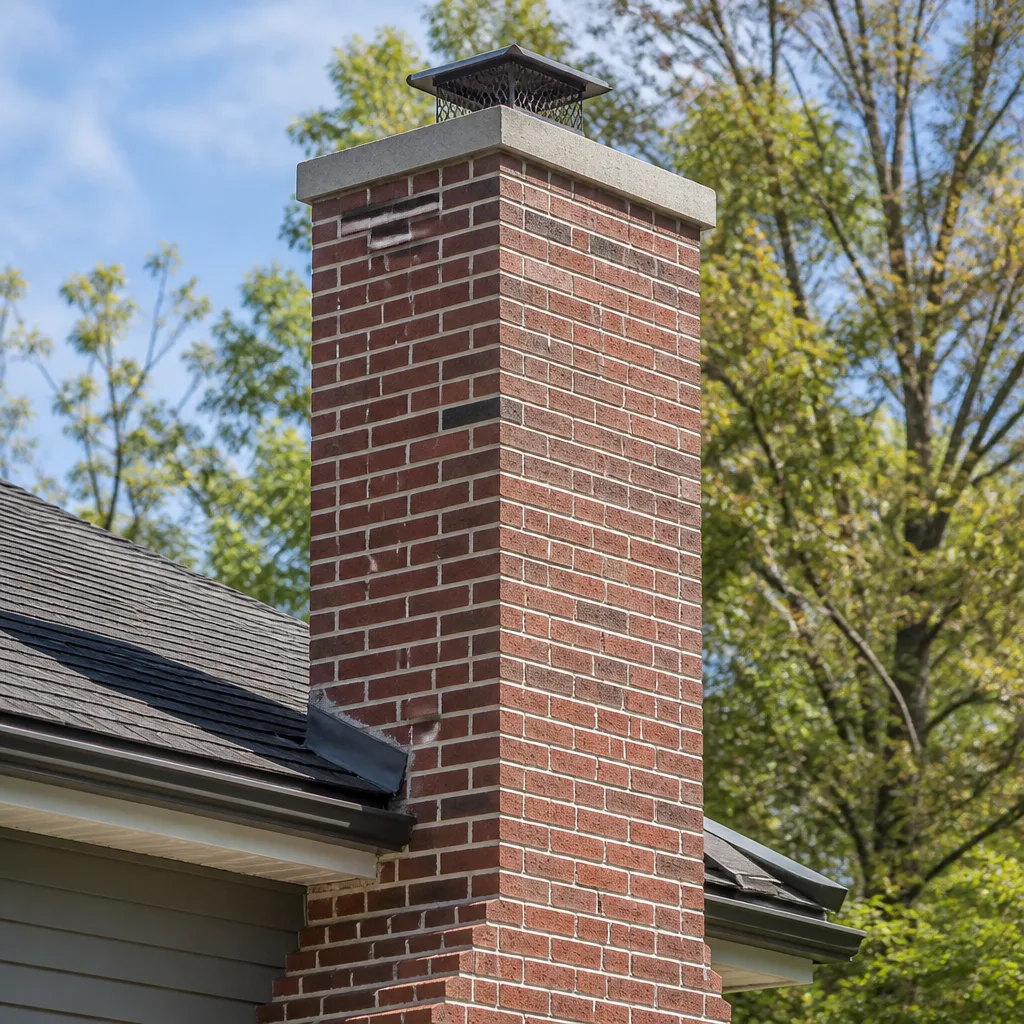 Masonry repair
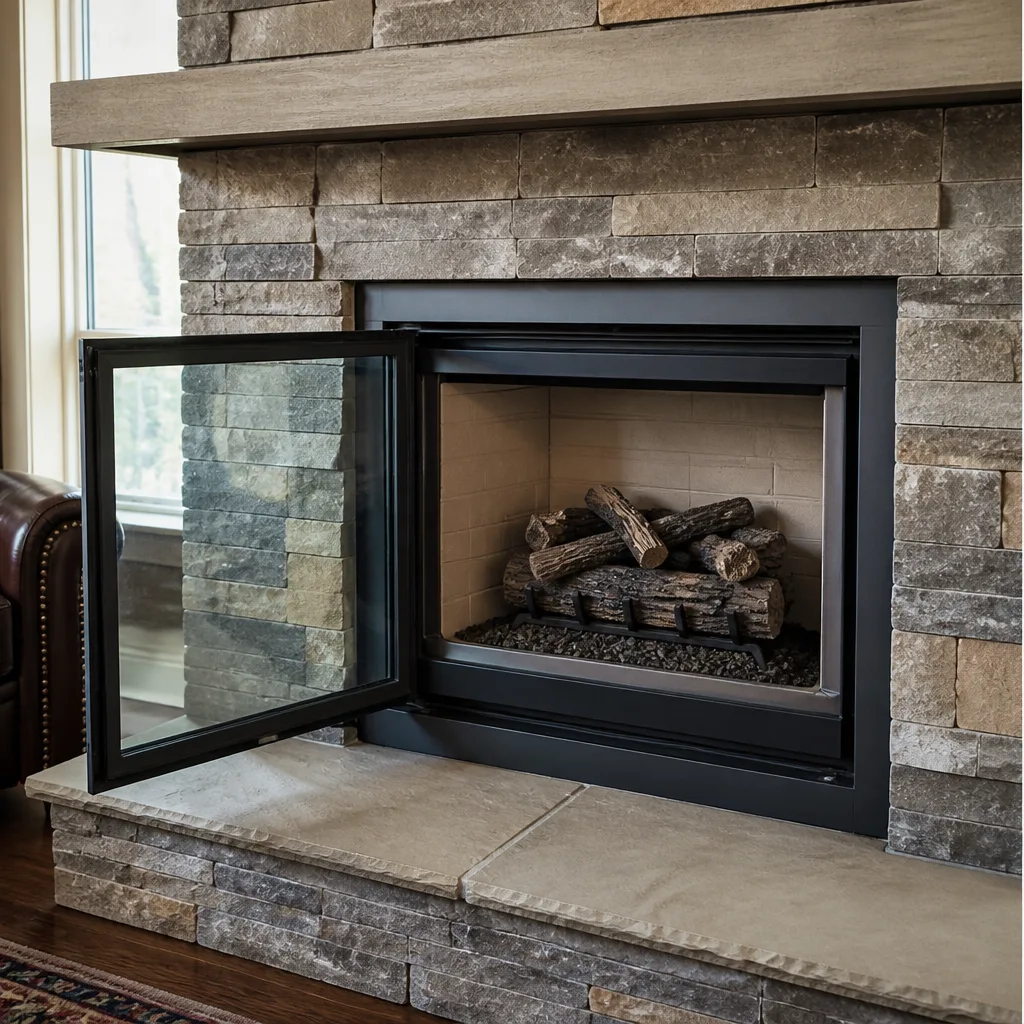 Gas fireplace service
Level 1 sweep and inspection to the NFPA 211 annual standard - flue, crown, cap, and flashing checked and photographed
Chimney sweep logs do not sweep chimneys. They loosen some creosote - which then falls where a brush and vacuum still have to collect it.
The Complete Guide to Chimney Cleaning in Bedford Park
Most chimney fires don’t announce themselves. They burn inside the flue at temperatures that can climb past 2,000°F while the homeowner sits in the living room assuming everything is fine. The fire is contained, the house is quiet, and the only evidence afterward is a cracked tile or a warped damper that nobody thinks to check. By the time the symptoms show up, the damage is already structural. In Bedford Park, the older brick housing stock and the heating conversions that swept through this part of the Bronx make that risk pattern different from what generic chimney advice describes. This guide covers how the system actually works, how Bedford Park’s climate and housing shape creosote and deterioration, and what a cleaning visit should genuinely involve.
Quick Answer
Chimney cleaning in Bedford Park means removing creosote, soot and blockages from a flue, then inspecting the full system to confirm it’s safe to use. For a home with pre-1970s brick construction, the chimney needs a sweep at least once a year, and more often if you burn wood heavily or the flue has already shown glaze-stage creosote. Cleaning is only half the job. The inspection is what tells you whether the crown, liner, damper and smoke chamber are all still sound.
Styles & brands we work with
- Sweep & inspection
- Caps & crowns
- Flue relining
- Masonry repair
- Gas fireplace service
Table of Contents
- Why Bedford Park Chimneys Wear Differently
- The Three Stages of Creosote and What Each Means
- Oil-to-Gas Conversions and Sulfuric Acid Deposits
- The Chimney as a System: Crown, Liner, Damper, Smoke Chamber
- Level 1 vs Level 2 Inspection: What Each Involves
- What Happens During a Sweep
- What Chimney Cleaning Costs in Bedford Park
- How Often You Actually Need Cleaning
- Common Mistakes to Avoid
Why Bedford Park Chimneys Wear Differently
Bedford Park sits in the northwest Bronx, and its housing stock tells a specific story. Much of the neighborhood’s brick construction dates to the first half of the twentieth century, built before modern masonry venting standards existed. That matters because older brick and mortar absorb and hold moisture differently than newer construction. The mortar in a hundred-year-old chimney is often softer than the brick around it, so it wears first, which opens small pathways for water and exhaust gas to migrate through the wall.
The Bronx climate adds another layer. Winters here cycle repeatedly between freezing nights and above-freezing days, and every freeze-thaw cycle pushes water deeper into masonry pores before it expands. A hairline crack in a crown left alone for two winters can widen into a path that soaks the top of the flue. That’s why a chimney here rarely fails suddenly. It fails in stages, and the early stages are invisible from the ground.
Fireplace use in Bedford Park also runs heavier through a compressed season. Homes burn steadily from the first cold snap through spring, then sit idle for months. That pattern produces dense creosote faster than a mild-climate home that burns a few fires a month, because the flue never gets a slow warm-up followed by frequent light burns. It gets hot, dense usage, then a long rest. The residue that builds during those dense months has time to harden between burns, which is exactly the condition that makes glaze-stage creosote more likely.
If your fireplace is a centerpiece of how you heat your home, understand that the flue is doing more work than it seems to. The Chimney Sweep Bedford Park hub is a good starting point if you want to know which service applies to your situation before you book anything.
The Three Stages of Creosote and What Each Means
Creosote forms when wood smoke cools before it exits the flue. The residue moves through three distinct stages, and the stage determines both the cleaning method and how urgent the work is. Knowing the stage matters because a sweep that only brushes stage-one creosote off the flue wall will not touch the glazed, tar-like deposits of stage three. In our experience, most homeowners don’t know which stage they have until a sweep looks inside.
- Stage one. Soot and light flaky creosote, usually a thin dusty layer. This comes off with a standard rotary brush and is what an annual sweep handles. It’s the least dangerous stage but the foundation of everything that builds later.
- Stage two. Harder, textured deposits that form a crust on the flue lining and smoke chamber. Brushing removes most of it, but stubborn patches may need more work. Stage two creosote ignites more easily than stage one and burns hotter.
- Stage three. Glazed, tar-like residue that looks almost like hardened varnish. This is fuel. It burns hot, it’s difficult to remove with ordinary brushing, and it can’t be cleared safely by a homeowner with a handheld brush. Stage three needs professional tools and often chemical softening before removal.
Stage three creosote is the reason annual inspection matters more than annual cleaning. A flue in Bedford Park can look clean from the firebox and still hold a complete glaze layer higher up, where nobody sees it. In our experience, a camera inspection finds glaze-stage deposits far more often than homeowners expect. That’s not a scare tactic. It’s a reason to look before assuming.
If what a sweep finds is a flue that’s clean at the top but rough and pitted further down, that’s a different problem: liner deterioration, not creosote. Those two conditions get confused constantly.
Oil-to-Gas Conversions and Sulfuric Acid Deposits
A chimney that served an oil furnace leaves a distinct chemical residue that behaves nothing like wood-burn creosote. When a home converts from oil to gas heat, the old flue has already absorbed years of combustion byproducts from oil. Those deposits can include sulfur compounds that, when they meet moisture, form acidic residue. Gas heat itself burns cleanly, but the residual acid from the oil era stays in the masonry. Left in contact with mortar, it slowly eats away at the joints.
This is one of the most overlooked problems in Bedford Park’s housing stock, because so many of these homes converted from oil to gas decades ago and nobody gave the flue a second thought. The furnace was swapped. The flue wasn’t addressed. What follows looks like ordinary masonry decay but has different chemistry underneath.
What to watch for if your home once burned oil:
- White, powdery efflorescence on the exterior brick, which often signals moisture carrying salts outward
- Crumbling or soft mortar joints, especially near the chimney top
- A metallic or sharp, acidic smell coming from the furnace flue
- Visible staining at the base of the chimney inside the basement
Cleaning this kind of chimney requires different treatment than a wood-burning flue. Brushing alone doesn’t neutralize acid residue. It has to be assessed, and where the liner has been compromised, resurfaced. We use HeatShield for this kind of restoration because it’s designed to address the surface condition rather than just seal over it. That difference matters in a home that’s carried the residue from an old oil system for years.
If you’re not sure which era your flue is from, that alone is a reason to get it looked at. A chimney repair assessment begins with understanding the chemistry, not just the visible soot.
The Chimney as a System: Crown, Liner, Damper, Smoke Chamber
A chimney is not a tube. It’s four interdependent parts, and when one fails, the others absorb the strain. Treating a chimney as an isolated flue is how small problems become expensive ones. Here’s how each part works and what goes wrong when the others aren’t maintained.
Crown
The crown is the concrete or masonry surface at the very top of the chimney, sloped to shed water away from the flue opening. It’s the chimney’s first defense against the weather. A cracked crown lets water run down the flue wall, through the brick, and into the mortar. Bedford Park’s freeze-thaw winters destroy crowns faster than almost any other climate condition. Once water gets in, it expands overnight and widens the crack. A crown replaced early prevents a whole cascade of damage below.
Liner
The liner is the flue’s inner wall, either clay tile or a metal liner. The liner protects the surrounding masonry from heat and corrosive exhaust. Cracks in clay tile allow heat and acidic exhaust to reach the brick, and that’s where the structural damage begins. When a liner has cracked or deteriorated, HeatShield resurfacing can restore it as a structural layer. When a full relining is needed, DuraFlex liners are designed for the job. The right choice depends on what the inspection shows, not on what’s cheapest.
Damper
The damper is the door above the firebox that controls airflow and seals the chimney when not in use. A rusted or warped damper that won’t seal lets heated room air escape up the flue all winter and lets cold air leak back down. It also fails to regulate the fire properly, which can produce more smoke and faster creosote buildup. A damper that sticks is a symptom worth investigating.
Smoke Chamber
The smoke chamber is the angled space directly above the firebox, connecting it to the flue. Its shape matters. Irregular or corrugated surfaces in an older smoke chamber trap creosote that’s very hard to brush out, and that trapped residue is prime fuel for a chimney fire. It’s one of the most common places we find stage two and stage three creosote. Cleaning a smoke chamber properly means more than running a brush past it.
Each component protects the next in sequence. A failed crown lets water destroy the liner. A damaged liner cracks and opens the brick. A rough smoke chamber loads the flue with residue that a damper can’t control. That’s why our chimney cap & crown work is preventive, not just cosmetic. Getting the crown and cap right early reduces what every other part has to endure.
Level 1 vs Level 2 Inspection: What Each Involves
Not every chimney inspection is the same, and the level matters because each one is triggered under different conditions. Knowing which level you need saves you from paying for an unnecessary scope, or worse, missing the problem that a higher level would catch.
Level 1 Inspection
A Level 1 inspection is a visual check of all accessible parts of the chimney and vent system, with the fireplace in normal use. It looks at the firebox, damper, flue interior as far as reachable, and the exterior and crown from ground level or a ladder. This is the routine inspection you get with an annual cleaning visit, assuming nothing has changed since the last check.
Level 2 Inspection
A Level 2 inspection goes further, typically using a camera to look the full length of the flue. It happens when something has changed: a change of fuel type, a home sale, a new appliance connection, an earthquake or storm event, or before any repairs or relining work. In New York, the specific triggers for a Level 2 inspection are set by state and local code and by NFPA 211 standards, so the details come down to what your municipality requires. The safe rule of thumb is that any change to the system warrants a Level 2 look.
A standalone inspection is not an upsell tacked onto a cleaning. It’s a separate service, and it’s how you know what’s actually inside the flue before you light a fire. We offer chimney sweep and inspection as independent services because the homeowner deserves to know what they’re dealing with, not be sold something they don’t need.
What Happens During a Sweep
A professional chimney sweep is structured work, not just brushing soot off a flue. Here’s what a thorough visit involves, and what to watch for when you book one:
- Setup and floor protection. Drop cloths and a sealed dust barrier go down before any tool moves. A proper sweep shouldn’t produce soot drifting into the room.
- Access inspection. The technician confirms the damper operates and checks the firebox, then confirms the chimney has been cold for at least a day.
- Upward sweep. A rotary brush runs up the flue at the correct diameter for the liner type. Clay tile and metal liners need different brush specifications, and a mismatched brush can damage a liner.
- Downward sweep and collection. The brush run finishes with a HEPA vacuum at the firebox, collecting everything that falls. You should be able to see the vacuum hose throughout.
- Smoke chamber and damper cleaning. Residue collects behind and above the damper. A thorough sweep reaches it.
- Camera inspection. A camera confirms the flue interior from top to bottom, with the footage shown to you so nothing is hidden.
- Report and walk-through. The technician explains what was found, shows the evidence, and separates what needs attention now from what can wait.
If a sweep won’t show you the inside of the flue, that’s a problem. The whole point of the visit is that you leave knowing what is and isn’t sound. Expect to see the images, not just hear a verdict.
What Chimney Cleaning Costs in Bedford Park
Pricing for chimney work in Bedford Park follows the housing stock. Older, taller flues and systems that have never been swept take longer, and a system that needs liner resurfacing costs more than a cleaning because the scope is different. We don’t quote a single flat price for everyone because the work isn’t the same for everyone. Anything we tell you is an estimate, and the written estimate you get before booking is what sets the final price.
- Standard chimney sweep (single flue): varies by height and access; the written estimate confirms it
- Sweep plus camera inspection: added to a clean, depending on flue condition
- Standalone inspection (Level 1 or Level 2): priced per visit and scope
- Liner resurfacing (HeatShield): priced per job, based on what the liner needs
- Relining with a metal liner (DuraFlex): priced per job, based on flue diameter and length
- Crown repair or replacement: priced per job, based on crown size and damage extent
- Cap supply and installation (Gelco, Famco or Copperfield): priced per job, based on chimney size and cap style
What keeps a quote honest is the inspection. A sweep who gives you a price over the phone before seeing the flue is guessing. A written estimate after a camera inspection gives you a real scope. If the assessment finds no problem, we say so and send you home. That happens more often than you might think.
If you’re comparing prices in Bedford Park, be suspicious of any quote that promises a fixed price for “chimney repair” without saying which repair. The word covers crown replacement, liner work, smoke chamber work and masonry repointing, and each one carries a different scope. Our estimates are free, and each one comes after we’ve seen what’s actually happening inside the flue.
How Often You Actually Need Cleaning
Once a year is the baseline for a chimney that sees regular use, and more often for a home that burns heavily through the winter. Bedford Park’s compressed heating season means the flue can accumulate a full year’s worth of creosote in just a few months of steady fires. That’s the reason a spring sweep doesn’t automatically cover the following winter.
How often to clean depends on three factors:
- Burn volume. Daily fires deposit creosote faster than weekend fires. A household that burns wood as a supplement can go a full season and be fine. One that burns as the primary heat source needs a mid-season look.
- Fuel type. Unseasoned or green wood produces far more creosote per fire than kiln-dried or well-seasoned wood. If you’re not sure of your wood’s moisture content, or if you’ve been burning whatever was available, check the flue before assuming it’s fine.
- Flue condition. A rough or damaged liner traps residue faster. A smooth, sound liner sheds deposits more easily. If the liner has visible damage from a prior inspection, cleaning frequency should go up until the liner is restored.
The standard guidance is clean when the creosote layer reaches a measurable thickness. A professional sweep measures it during inspection, and a homeowner can’t easily judge it from the firebox. A flue that looks clean from below can carry substantial buildup higher up. That’s why “I checked it and it looked fine” isn’t the same as “it was inspected.”
What actually happens if you skip it? The risk is a chimney fire you can’t see and won’t hear, followed by damage to the liner that goes undetected. The solution isn’t panic. It’s a single visit per year, and a camera inspection that tells you what’s happening. Call (866) 937-7520 for an exact quote. Estimates are free. We answer 24/7. Fast dispatch from 7am to 7pm, Sunday through Friday.
Common Mistakes to Avoid
- Assuming the flue is clean because the firebox is. The firebox can look spotless while stage two or stage three creosote builds in the smoke chamber and upper flue. The camera inspection exists because the visible part of the chimney tells you almost nothing about the rest.
- Skipping the inspection after the cleaning. A sweep that brushes without inspecting is doing half the job. The inspection is what tells you if the liner is cracked, the crown is failing, or a stage three deposit is sitting above the brush reach.
- Burning unseasoned wood in Bedford Park’s older flues. Old brick and clay liners are already handling moisture and temperature swings. Green wood pushes creosote production up at the same time the flue is more vulnerable to damage. Seasoned wood isn’t a luxury here, it’s a basic requirement.
- Ignoring the crown because the chimney “looks fine” from the ground. Crown cracks are the leading path to liner and masonry failure, and they’re invisible from the base of the chimney. A crown that looks intact from the street can be cracked across the top.
- Trusting a cap that doesn’t actually fit. An oversized or poorly fitted cap lets water in at the edges and can create a downdraft problem. Gelco and Famco caps are built for weatherproofing applications, which is why we specify them rather than a generic hardware-store cover.
- Treating a converted oil flue as if it were a new gas flue. That residue hasn’t gone anywhere. Acid deposits left from the oil era continue to work on the mortar joints long after the furnace was replaced. It’s a condition that only a visual inspection will catch.
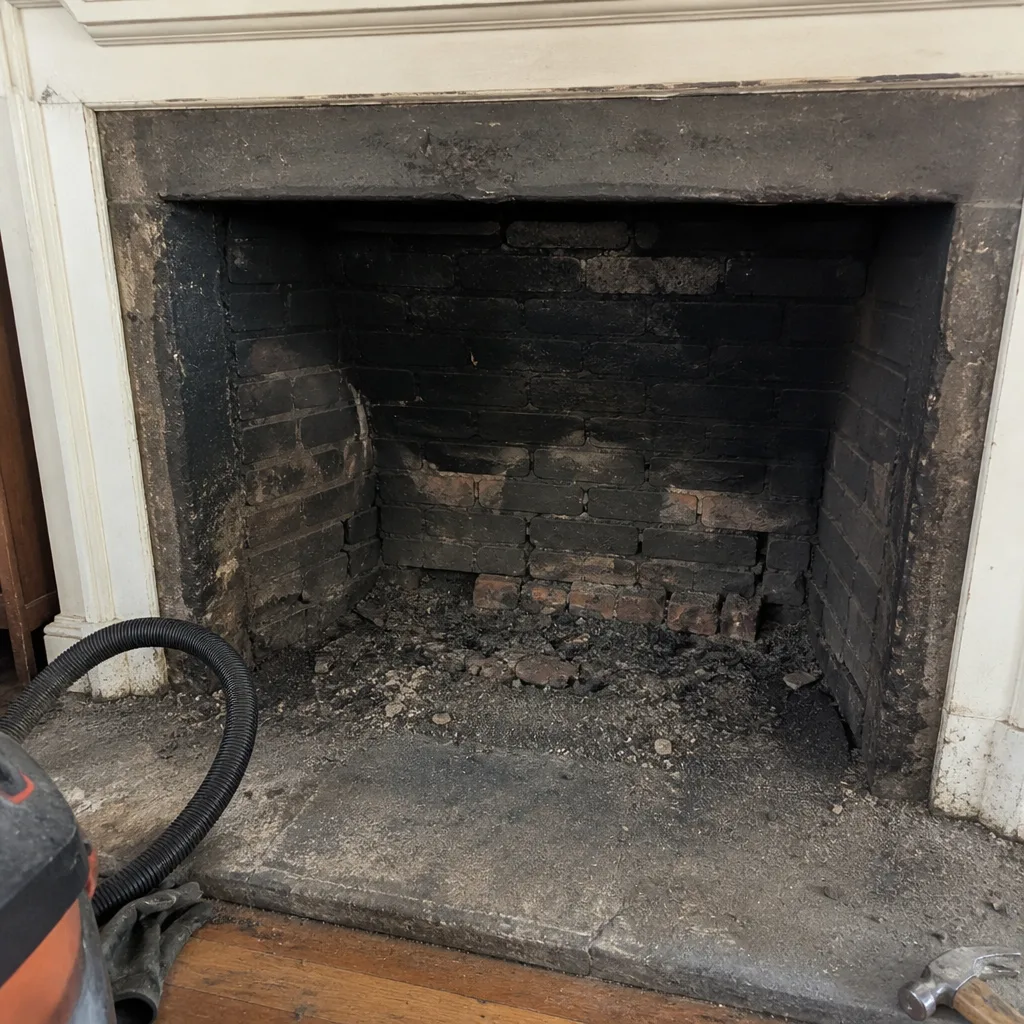
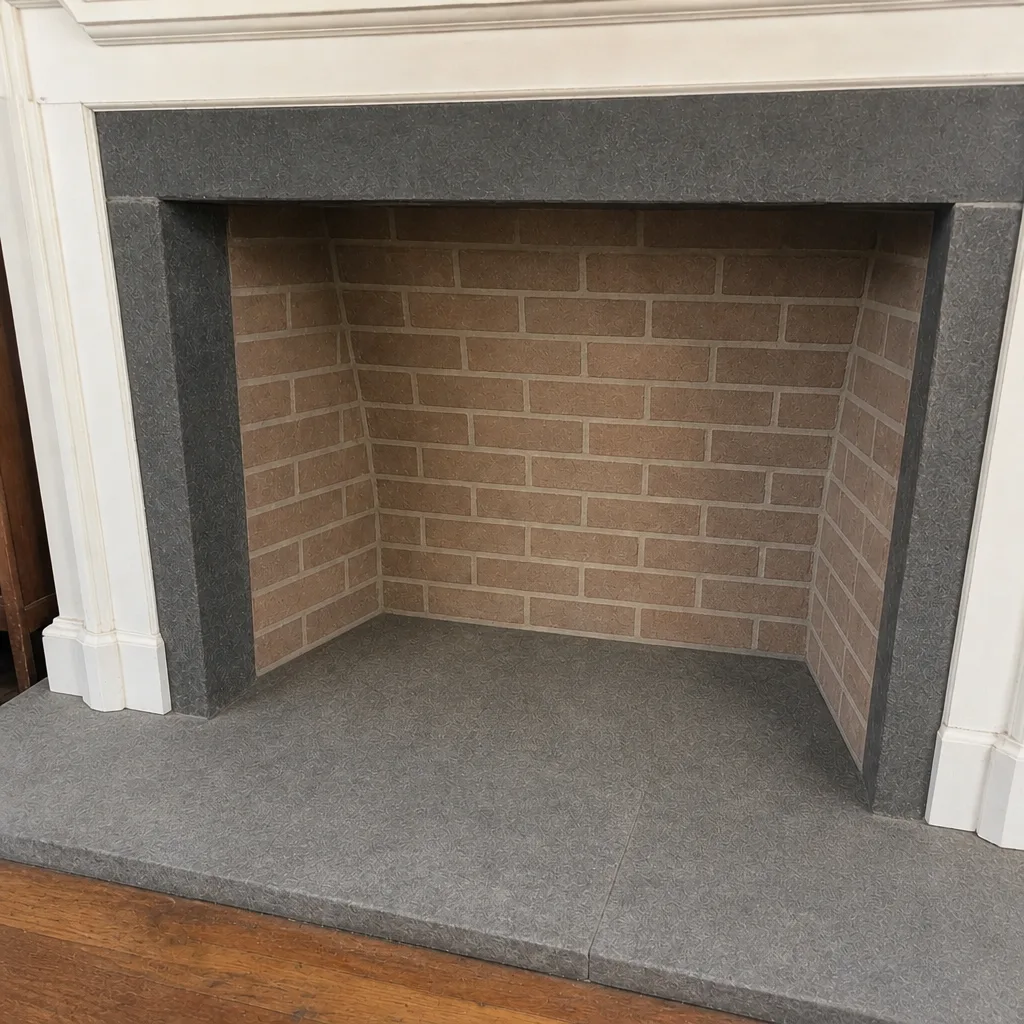
See the difference
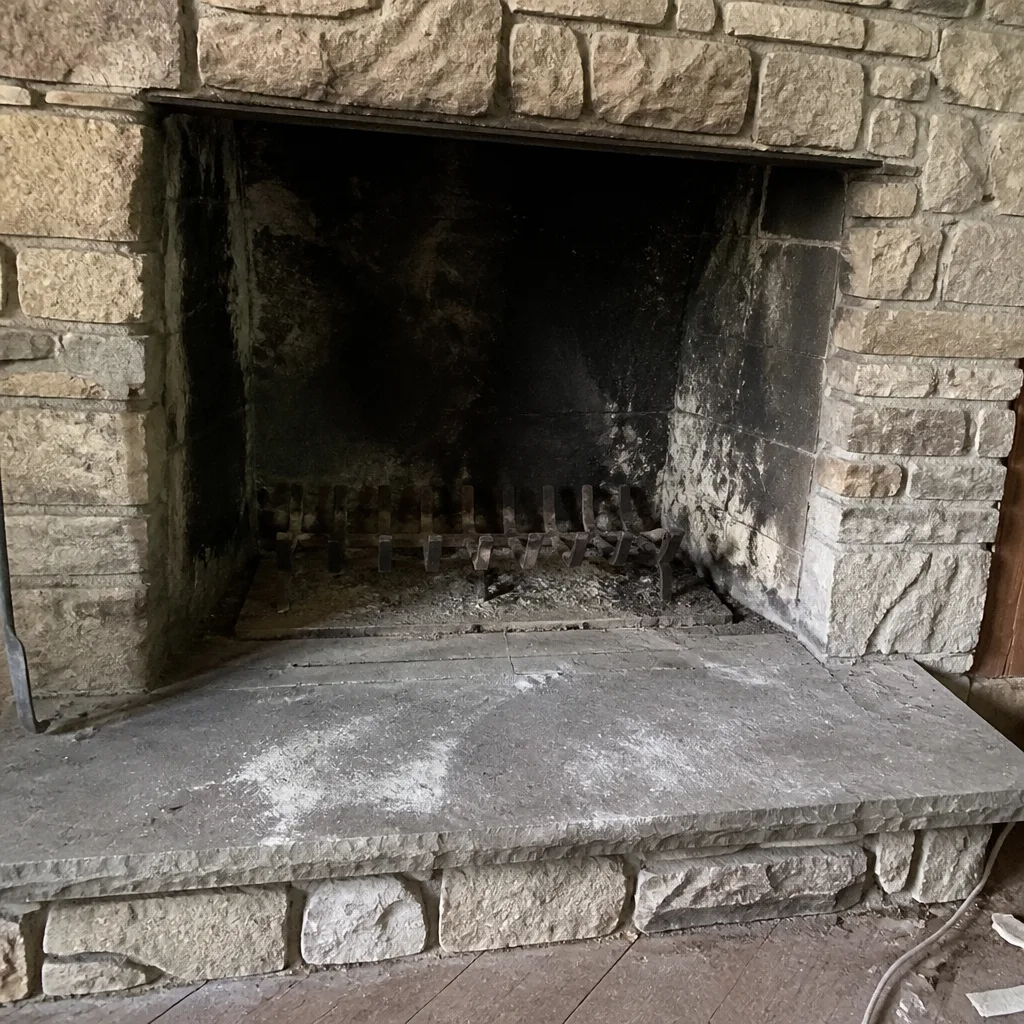 Before
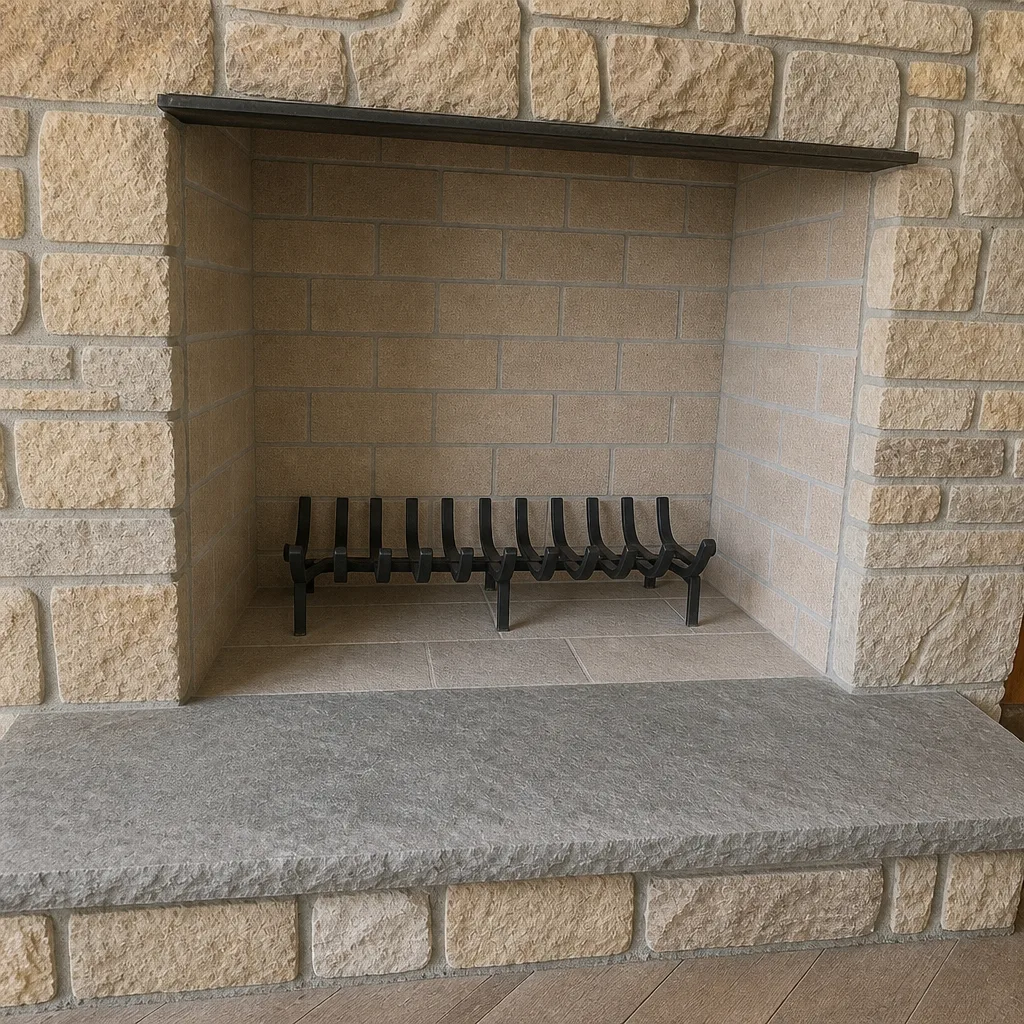 After
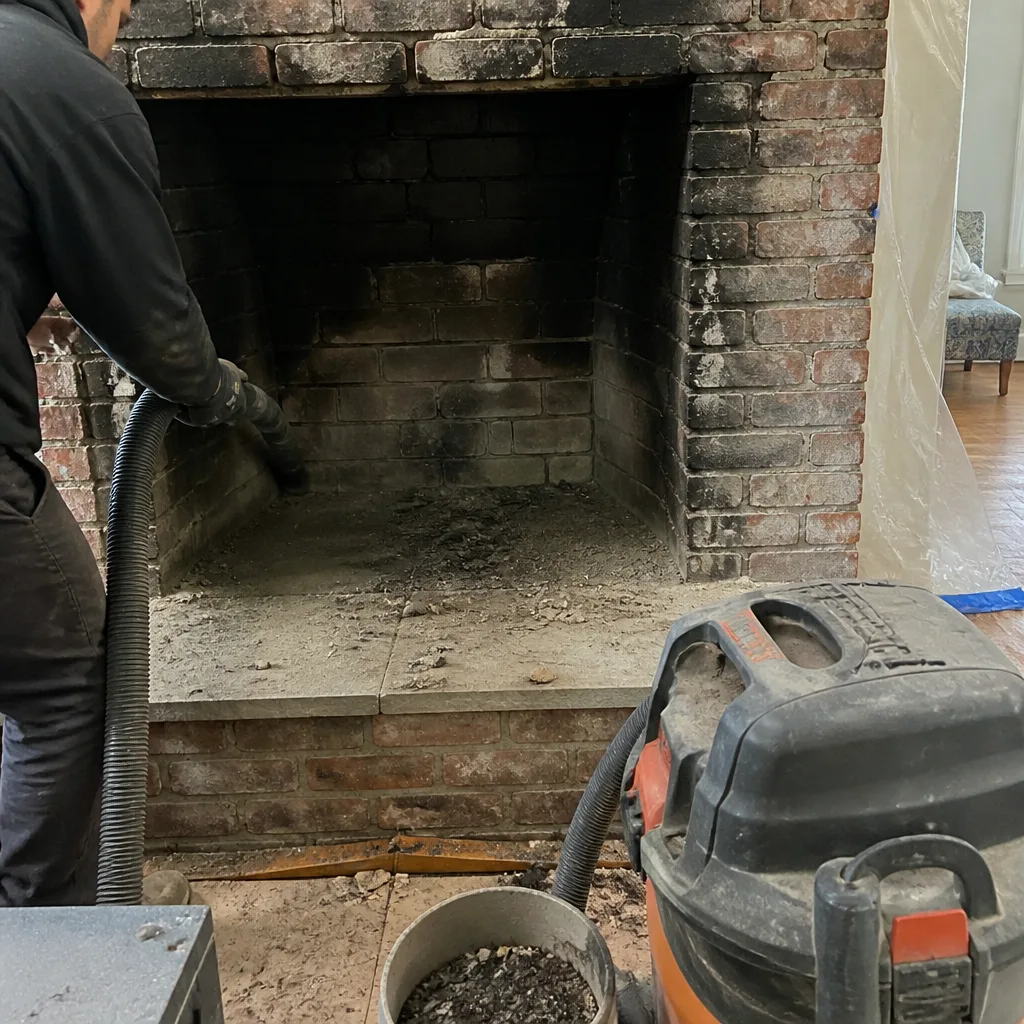 Before
 After
 Before
 After
When to Call a Professional
Call a professional if your last sweep was more than a year ago, if you’ve noticed smoke backing into the room when the fire is lit, if the damper won’t open or close cleanly, if there’s a visible stain on the chimney exterior or at the chimney base inside, or if you’ve moved into a home in Bedford Park and don’t know when the chimney was last serviced. A change of fuel type, a new appliance connection, or a recent storm event is also a reason to have the system looked at. Do not light a fire in a chimney that hasn’t been inspected, especially after a season of heavy burning. Chimney Sweep Bedford Park offers free estimates in Bedford Park. Call (866) 937-7520. We answer 24/7. Fast dispatch from 7am to 7pm, Sunday through Friday.
Frequently Asked Questions
A standard sweep is priced per job, not as a fixed number for every home. The written estimate confirms the final price after we’ve seen the flue height, liner type and condition. Call (866) 937-7520 for an exact quote. Estimates are free.
Once a year is the baseline for a fireplace in regular use, and more often if you burn wood heavily or the flue has shown glaze-stage creosote. A mid-season check is worth it for homes where the fireplace is a primary heat source. Call (866) 937-7520 to book a sweep. Estimates are free.
Only if the inspection shows the existing liner has cracked, deteriorated, or failed the standards for the fuel type. A sound clay liner can often be resurfaced with HeatShield rather than replaced. We don’t recommend relining without showing you the evidence. Call (866) 937-7520 for an exact quote. Estimates are free.
Creosote keeps accumulating, and stage three deposits can ignite. The risk is a chimney fire that burns quietly inside the flue, damaging the liner and the surrounding brick before anyone notices. That’s the reason we inspect rather than just clean. Call (866) 937-7520 for an exact quote. Estimates are free.
You can brush a flue, but you can’t verify what’s happening in the smoke chamber, the liner joints, or the crown from the firebox. A homeowner sweep also can’t produce a camera inspection or a written report. The visible part of the flue is the least relevant part of the job. Call (866) 937-7520 if you want the system checked properly. Estimates are free.
A sweep removes what’s inside the flue. An inspection assesses whether the flue, liner and crown are sound. They’re separate services, and a proper visit includes both. We list inspection as a standalone service because a safety check should stand on its own, not be an add-on. Call (866) 937-7520 for an exact quote. Estimates are free.
The Bottom Line
Chimney cleaning in Bedford Park is a full-system assessment disguised as routine maintenance. The old brick, the freeze-thaw winters and the oil-to-gas conversions in this neighborhood create creosote and deterioration patterns that generic advice doesn’t account for. The three stages of creosote need different treatments. The crown, liner, damper and smoke chamber all depend on each other. And the inspection, not the cleaning, is what tells you whether the fireplace is ready for the next season. One visit a year, with a camera that shows you the evidence, keeps a fireplace safe and keeps small problems from becoming structural ones.
Call (866) 937-7520 for a free estimate. We answer 24/7. Fast dispatch from 7am to 7pm, Sunday through Friday.
Written by the team at Chimney Sweep Bedford Park.