
Last updated November 25, 2026
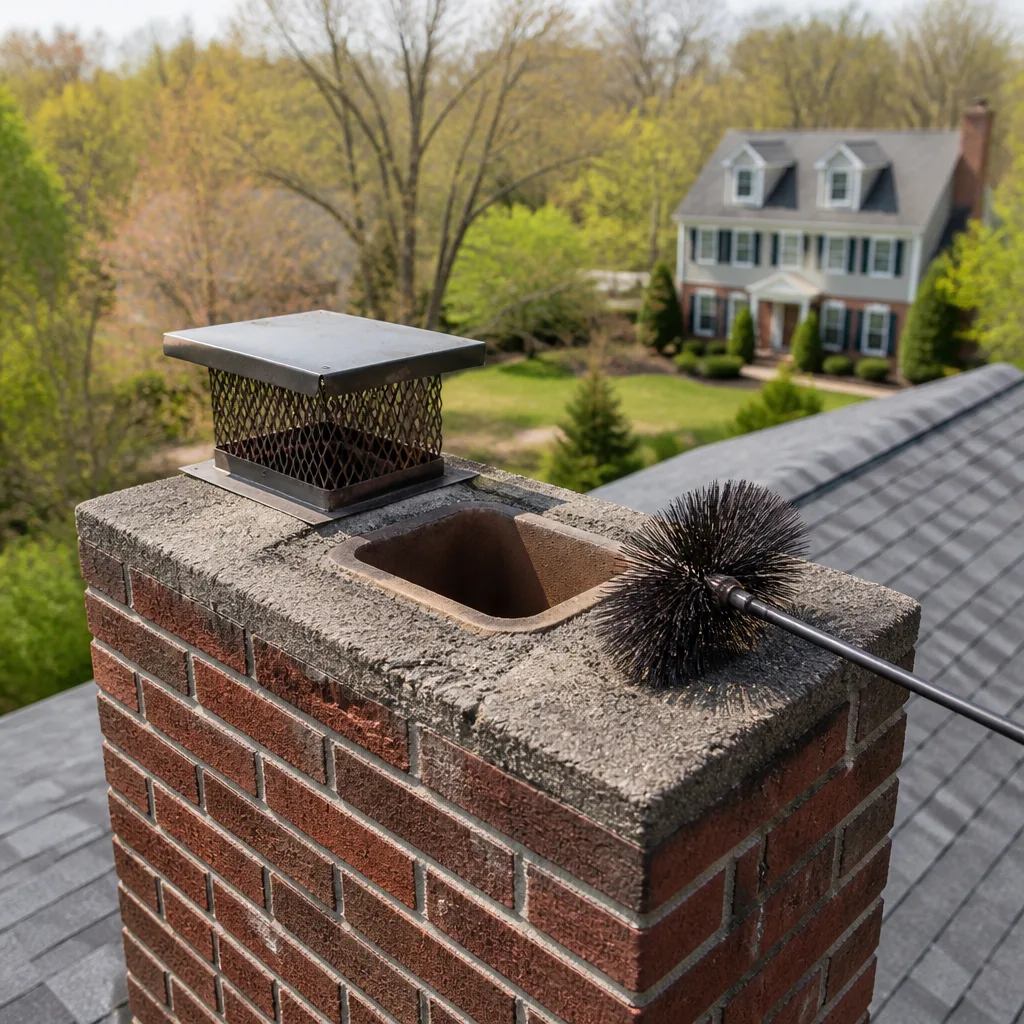 Sweep & inspection
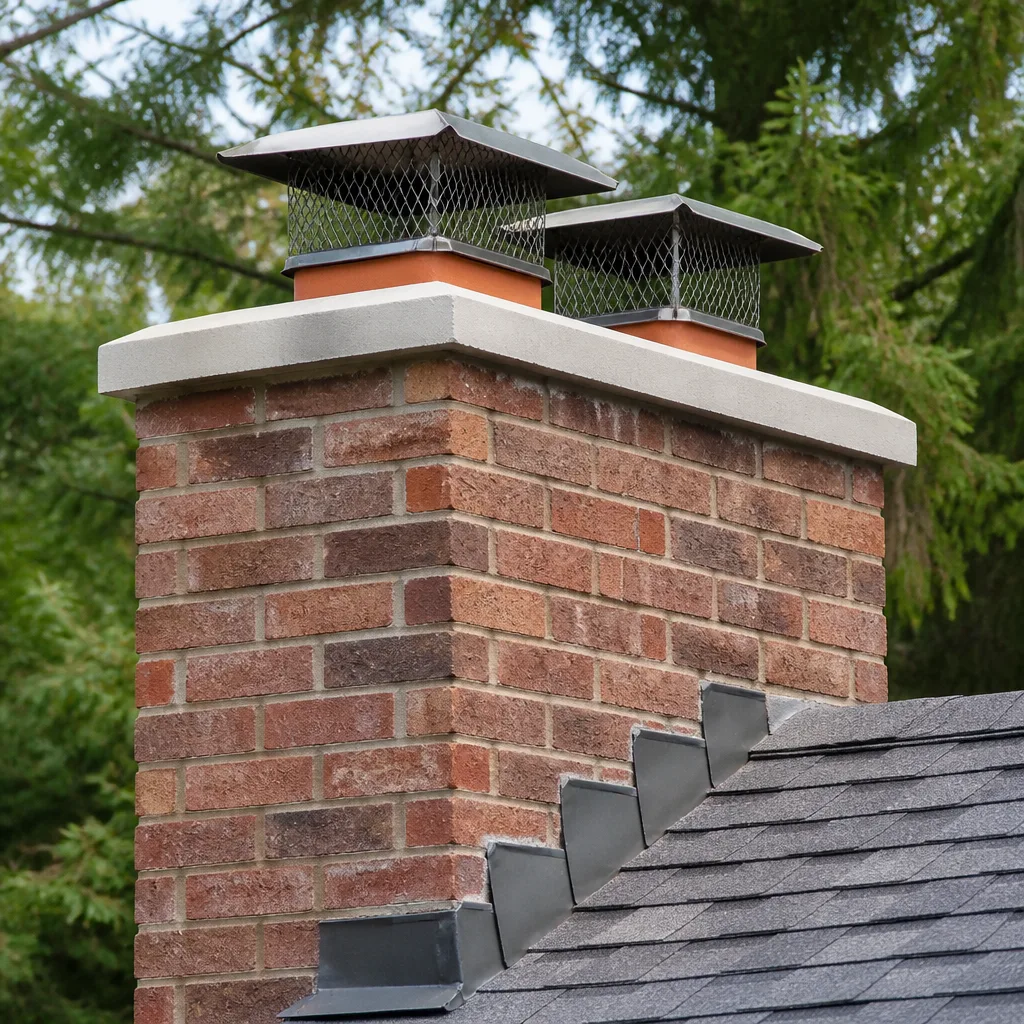 Caps & crowns
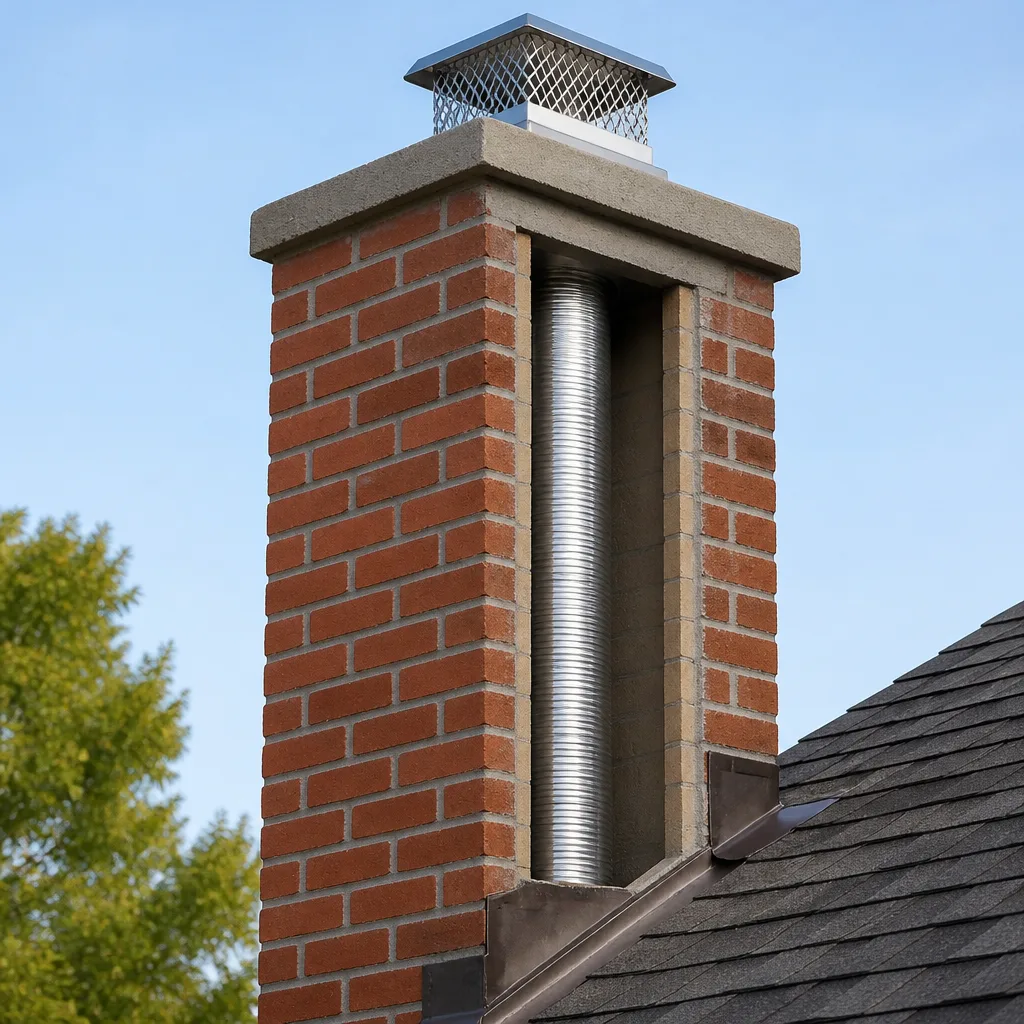 Flue relining
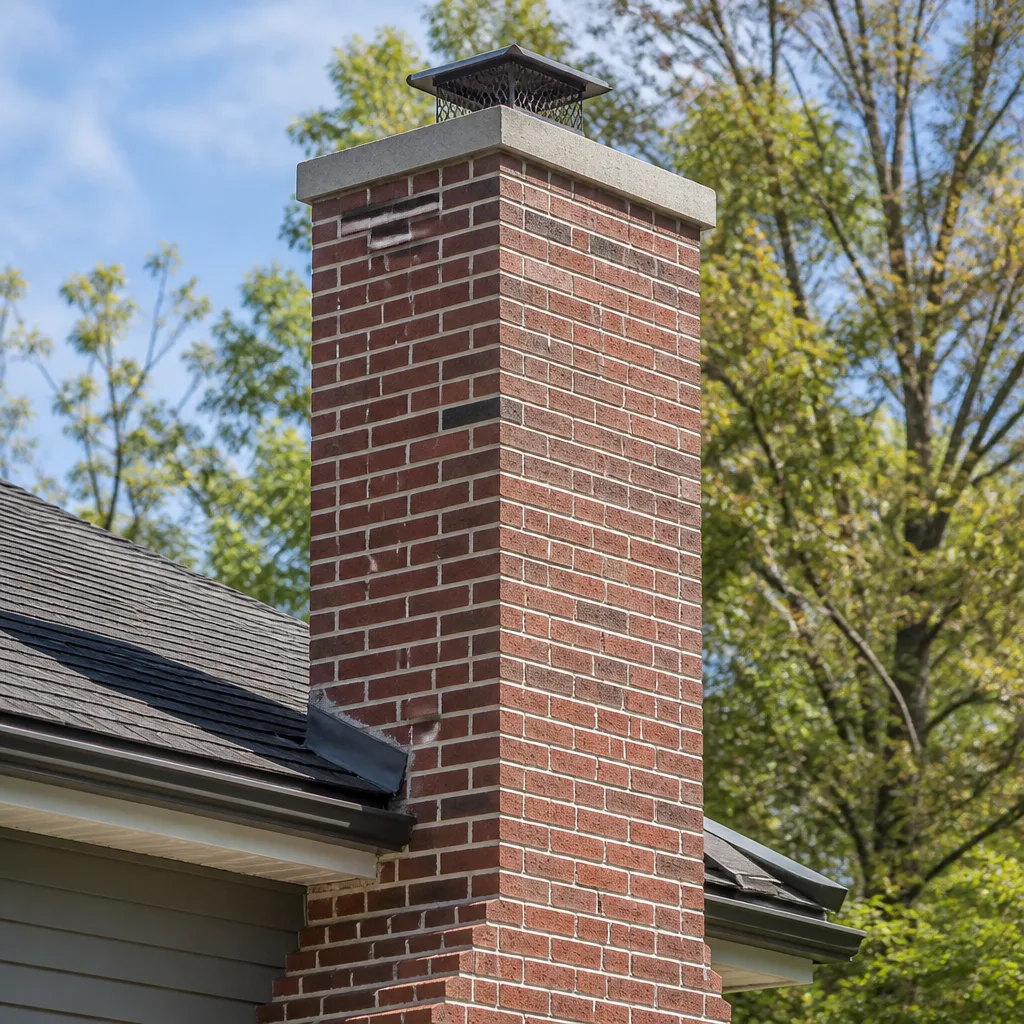 Masonry repair
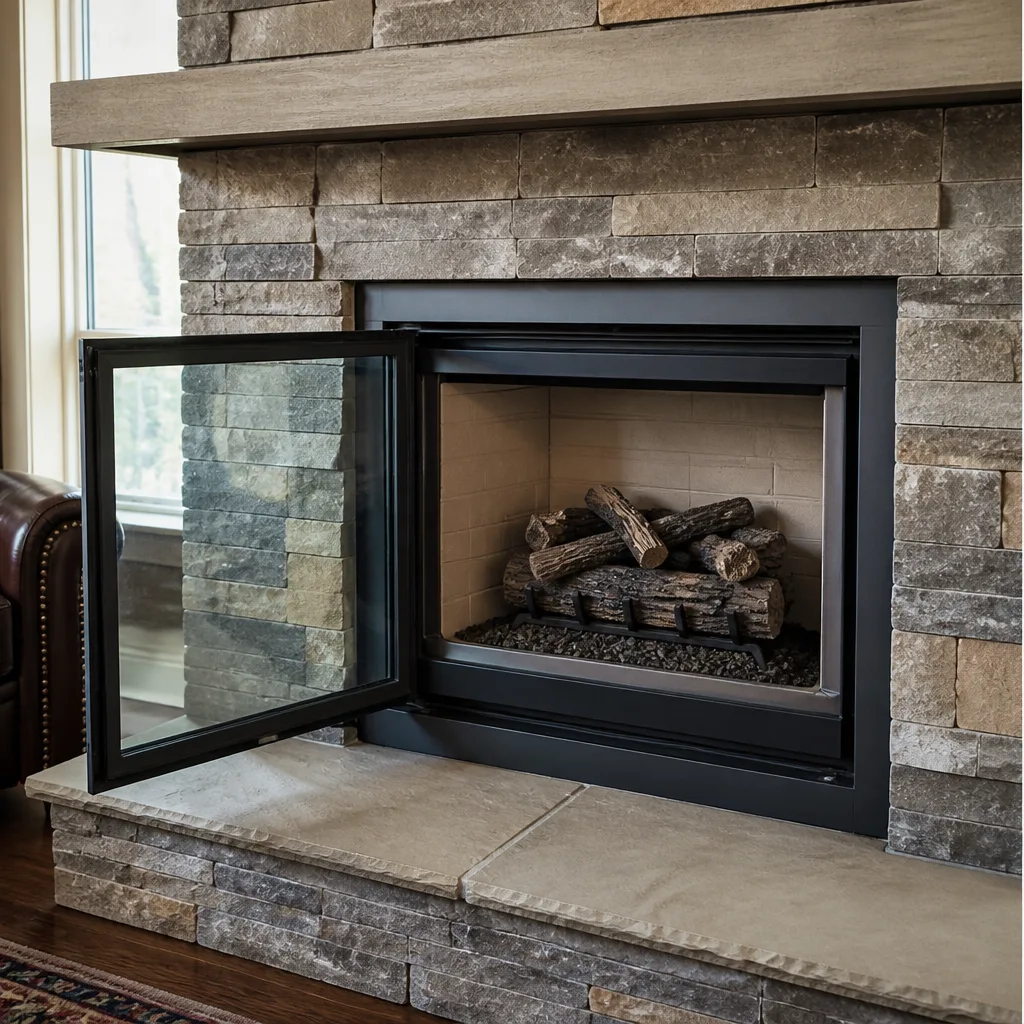 Gas fireplace service
Level 1 sweep and inspection to the NFPA 211 annual standard - flue, crown, cap, and flashing checked and photographed
Chimney sweep logs do not sweep chimneys. They loosen some creosote - which then falls where a brush and vacuum still have to collect it.
Chimney Sweep Maintenance Checklist for Bedford Park Homeowners
A checklist that says “inspect chimney annually” is as useful as a car manual that says “check engine sometimes.” It tells you the interval and nothing about what to look for. Chimney problems announce themselves early, in ways you can see from the ground and the firebox if you know the signs, and that’s what this guide covers. We’re going to walk through a condition-based maintenance checklist you can actually run yourself, tied to the specific things that go wrong in Bedford Park’s freeze-thaw winters and tight older housing stock. You’ll learn what to photograph, how to log it, what each symptom means, and the five conditions that override the calendar entirely.
Quick Answer
Run a condition-based chimney checklist once a year before heating season, and after any major storm or long vacancy. Check the firebox, damper, flue visible from below, cap, and crown from ground level, photograph everything, and log it against last year’s photos. Then book a professional sweep and inspection to clean the flue and verify what you can’t safely see, which for a wood-burning fireplace means annually and for a gas or oil appliance means an annual inspection even if sweeping isn’t needed.
Styles & brands we work with
- Sweep & inspection
- Caps & crowns
- Flue relining
- Masonry repair
- Gas fireplace service
Table of Contents
- 1. The Ground-Level Walk-Around: What You Can Safely See
- 2. The Firebox and Damper Inspection From Inside
- 3. Freeze-Thaw Damage: The Bedford Park-Specific Warning Signs
- 4. How to Log Your Chimney Year-Over-Year With Photos
- 5. Wood, Gas, and Oil: Maintenance Differences That Matter
- 6. The Five Conditions That Override the Annual Schedule
- 7. When and How to Book the Professional Sweep
- Common Mistakes to Avoid
- When to Call a Professional
1. The Ground-Level Walk-Around: What You Can Safely See
You can learn a surprising amount about a chimney without leaving the ground, and this is the safest place to start. The whole point of the walk-around is to catch changes early and document them, not to diagnose them. You’re building a record. In our experience, the homeowners who end up with the smallest repair bills are the ones who noticed a hairline mortar crack in October, not the ones who discovered a shifted crown in February when water was already inside.
Walk the exterior of the chimney once in early fall and once in spring. Do the round at a distance where you’re not standing directly under any material that could fall. Then work through this list.
- The crown. The concrete slab on top. Look for visible cracking, crumbling edges, or a crown that looks like it’s pulling away from the flue tile. A cracked crown is the most common entry point for water.
- Cap and spark arrestor. A proper chimney cap & crown should sit level, fit snugly, and show no rust holes or missing mesh. If a bird or squirrel can get in, so can rain.
- Flashing. Where the chimney meets the roofline, the metal flashing should be tight to the masonry and the shingles, with no lifted edges or rusted seams. Gaps here send water down inside the wall.
- Mortar joints. Look for joints that have receded between the bricks. Mortar is sacrificial; it’s meant to wear. What you’re watching for is the rate of change.
- Brick faces. Look for faces that are flaking, peeling, or have a white powdery bloom. Flaking faces and bloom are signs of moisture cycling, not surface dirt.
- The lean test. Stand back and sight up the chimney corner. A visible lean is not a maintenance item; it’s a call today.
None of this requires a ladder, and none of it requires getting on the roof. That’s a professional’s job, and it’s on the roofing side where homeowners get hurt. Your job at ground level is to spot and record. If you want the fuller professional picture of what a sweep looks for when they’re up there, our chimney sweep service page describes the sweep-side inspection, and it’s worth reading before you book.
2. The Firebox and Damper Inspection From Inside
The firebox is where you can learn the most, and it’s a place you’re already standing in every time you light a fire. We’ve seen homeowners who keep the firebox immaculate and never look above the damper, which is exactly where the trouble hides. Here is the safe inside inspection: look, don’t disassemble.
What to look for in the firebox
- Cracked or loose firebrick. Hairline cracks in the firebrick are common and often fine. What matters is whether the brick is loose, crumbling, or has pieces missing from the firebox surface, because that exposes the masonry behind it.
- Damaged firebox mortar. Recessed or crumbling mortar joints in the firebox let heat and smoke find gaps. This is a chimney repair conversation, not a cleaning one.
- The damper. Open and close it from cold. It should move without grinding and, when closed, sit flat with no visible gap at the edges. A damper that won’t close fully is a heat-loss and smoke-back problem.
- The smoke shelf and smoke chamber. Run a light and a mirror on a pole up past the damper and look for heavy creosote glazing, soot streaking down past the smoke shelf, or a broken piece of the smoke chamber brick.
- The grate, andiron, and hearth. Check the hearth for cracks that could let a hot ember reach the framing below. Loose or cracked hearth tiles are a maintenance item.
What you can safely see looking up the flue
Open the damper wide, stand back a few feet, and shine a strong light up the flue. There’s a reason we suggest this in daylight with the firebox absolutely cold. From this angle you can sometimes see the lower flue tile and hear the buildup level with a flue brush head taped to a pole, but not the full run. Even a partial look tells you whether you’re dealing with light soot or heavy, glazed creosote, and that tells you how urgently to book. If you can’t see past the damper, which is normal, don’t force it. The camera and the sweep do that safely.
3. Freeze-Thaw Damage: The Bedford Park-Specific Warning Signs
Bedford Park’s winters run cold enough to freeze and thaw repeatedly, and that cycle is the single biggest driver of masonry wear around here. Water gets into a mortar joint or a porous brick face during a thaw, freezes overnight, expands, and pries the material slightly open. Repeat that a hundred times a winter and you get spalling and eroding mortar. It’s not dramatic. It’s slow. That’s why a condition-based eye matters more here than on a calendar schedule.
What to watch for after a hard freeze:
- New flaking or pitting on brick faces. Spalling is when the face of the brick peels away. Compare the faces to last fall’s photos; new pitting on the south-facing side is common after a cold winter and worth flagging.
- Widened or deepened mortar joints. Mortar erosion in freeze-thaw climates happens from the surface in. A joint that looked flush in autumn and recessed in spring is telling you the cycle is working on it.
- A crown hairline that has moved. Cracks in the crown grow when water in them freezes. A crack you could barely see in November that’s visibly wider by March is an active problem, not a stable one.
- White bloom on the masonry. Efflorescence is the white staining left when water carries soluble salts to the surface and evaporates. It’s a moisture signal, not a cleaning issue, and it points to the joint, crown, or flashing as the source.
- Black or dark staining on the exterior face. Usually a sign of moisture at the crown and a reason to look harder up top.
- Inside the house, winter-specific. A musty smell in an unused chimney flue, dampness around the firebox, or staining on the wall near the chimney are all consistent with water tracking down. These need a look before they get worse.
Because freeze-thaw does its work seasonally, the best time to catch it is the shoulder season, when you’re doing your fall round and again at spring cleanup. A Chimney Sweep Bedford Park sweep and inspection in the fall catches the summer’s damage before the first fire; a spring walk-around catches the winter’s damage before it does more.
4. How to Log Your Chimney Year-Over-Year With Photos
A checklist without a record is a one-time effort. The point of photographing and logging is to turn a snapshot into a trend, and a trend is the single most useful thing you can hand to a sweep, an insurer, or a buyer. Here’s the system we recommend to every homeowner we work with.
- Pick the same four photo spots. Stand at the same spot on the ground and take one wide shot of the chimney, one close shot of the crown and cap at zoom, one of the flashing at the roofline, and one inside the firebox. Same spots, same zoom, same time of year.
- Name the files with the date and the view. “Chimney-bedfordpark-crown-2026-10” tells you more than the phone’s auto-number. A folder per year, four photos per year, is all you need.
- Jot two lines in a notes file. Date, weather since last visit if it’s relevant, and one sentence on the condition of each of the five ground-level checks. “Mortar: joint on south face looks 2mm deeper than last fall” is worth ten vague sentences.
- Keep the sweep’s written report and photos in the same folder. The professional inspection produces photos too. File them alongside your own so next year you’re comparing your photos to your photos and the sweep’s to the sweep’s.
- Note every repair or resurfacing job with the material used. “Crown sealed” is not enough; write down the product and the date, so the next sweep knows what’s already been done.
Why it matters for insurance and resale: insurers increasingly want evidence that a wood-burning appliance has been maintained, and a documented annual record plus a written sweep report is exactly that evidence. At resale, a buyer’s inspector is going to look at the chimney, and a folder showing a clean, inspected, well-documented flue is a very different conversation from a shrug. The record doesn’t make the chimney better; it just proves that you knew what was going on, which is what people want to buy.
5. Wood, Gas, and Oil: Maintenance Differences That Matter
Not every chimney needs the same maintenance, and the differences are not marginal. Wood, gas, and oil produce different combustion byproducts, deposit different things in the flue, and have different failure modes. Here’s the appliance-by-appliance picture.
Wood-burning fireplaces
Wood is the appliance that most needs the annual sweep, because burning wood deposits creosote in the flue. Creosote is what chimney fires burn, and a heavily glazed flue with restricted draft is the condition you’re trying to avoid. A properly burning fire, seasoned firewood, and an annual sweep of a wood flue is the standard. After the sweep, a visual inspection verifies the flue tile is intact and the damper is working. If a liner turns out to be deteriorated, the professional will discuss options; we use DuraFlex liners and HeatShield resurfacing where the condition calls for them, because what goes into the flue matters as much as the cleaning of it.
Gas fireplaces and gas inserts
Gas produces very little creosote, so gas appliances are not swept the way wood ones are, but they still need an annual inspection and cleaning of the firebox and vents. What goes wrong with gas is different: the vent can clog with debris, insect nests, or a fallen bird, and a blocked or partially blocked gas vent is a carbon monoxide concern. Check that the vent termination is clear of nesting material each fall, and have the appliance inspected annually. A gas insert in a chimney originally built for wood should be inspected to verify the venting arrangement is right, because appliances get replaced and venting sometimes doesn’t keep pace with the change.
Oil flues
Oil combustion produces soot and sulfur deposits that gradually close down a flue. An oil flue needs sweeping on an annual or biannual basis depending on how much the furnace runs, and it needs a professional to inspect the flue for soot buildup, scale, and the condition of any liner. Do not defer oil flue maintenance; a restricted flue on oil is a draft and safety problem, not a cosmetic one. Your heating contractor and your chimney sweep should be talking to each other, or the homeowner should be relaying what each finds.
Whichever appliance you have, our chimney sweep service covers the sweep side and the standalone inspection, and for the appliance itself, we handle fireplace repair as well as chimney repair under the same relationship.
6. The Five Conditions That Override the Annual Schedule
The annual schedule is a floor, not a ceiling. There are conditions that warrant a professional inspection immediately, regardless of how long ago the last one happened. These aren’t scare tactics; they’re the specific conditions where waiting is what causes damage to accelerate.
- Water getting into the firebox or the flue. Dampness on the firebox, rust on the damper, or water stains on the chimney wall from inside the house. Water and masonry don’t get along, and the freeze-thaw cycle in Bedford Park turns a small leak into a cracked crown in one winter.
- A chimney fire, or evidence of one. A roaring sound from the flue, a sudden whoosh, or visible flames or sparks out the top. After any chimney fire, even one that seems to have gone out on its own, the flue needs inspection before it’s used again. Damaged flue tile can look fine from below and be cracked up top.
- Visible displacement of masonry or cap. A cap that’s tilted, flashing that’s lifted, or masonry that’s visibly shifted. These are structural questions, not maintenance questions.
- Smoke or carbon monoxide in the living space. A fireplace that smokes back into the room, a persistent smell of combustion gases, or a CO alarm near the fireplace. These are reasons to stop using the fireplace today and get a professional to look before it’s lit again.
- A major storm or prolonged vacancy. After high wind, a fallen limb, or a period of vacancy (a summer cabin, a stretch where the house sat unused), the cap and crown should be checked before the next fire, because debris finds its way in and caps lose their seating.
If you’re facing any of these, book an inspection now rather than at the next scheduled sweep. Call (866) 937-7520. We answer 24/7. Fast dispatch from 7am to 7pm, Sunday through Friday.
7. When and How to Book the Professional Sweep
Book the professional sweep before the heating season starts, not after the first cold snap, because the schedule fills first when the weather turns. For wood-burning fireplaces, sweeping is an annual job; for gas and oil, an inspection annually, and oil flues often a sweep as well. The professional visit is also where the camera inspection happens, and that’s the part that closes the gap between what you can see and what you can’t.
Here’s what a proper professional visit includes and how to get the most out of it:
- A sweep appropriate to the fuel. A wood flue gets swept with a properly sized brush; an oil flue needs its own approach. Match the tool to the appliance.
- A standalone inspection, not an add-on. Ask for it as its own service. We list inspection as a separate service for a reason: the safety assessment should be its own job, not a footnote on an invoice.
- Before-and-after photos and a camera inspection of the flue. Ask to see the photos. Any sweep who’s doing this properly will have a camera record.
- A written report on flue condition, cap, crown, and flashing. You’ll file this in the same folder as your annual photos, as described in section 4.
- Pricing agreed before the work. Ask for a written estimate before the sweep goes up. It should be a firm quote for the job, not an open-ended hourly rate.
A professional sweep spends most of the visit confirming what the homeowner already thought and catching what they couldn’t see. When a liner turns out to be deteriorated, the fix is not always a full reline. Sometimes HeatShield resurfacing, which is a professional system for restoring a chimney liner in place, is the right call. Sometimes a DuraFlex liner is the right call. The choice depends on the condition of the flue, and the condition is what the camera shows. That’s why the inspection comes before the recommendation, not after.
Common Mistakes to Avoid
- Waiting for the smell of smoke. Smoke in the house means you’ve already got a problem, and the maintenance you skipped is the cause. Run the checklist before that happens.
- Treating the annual inspection as a box to tick. An inspection that’s never read, never filed, and never compared to last year’s tells you nothing. Use it, compare it, keep it.
- Assuming a gas insert needs no maintenance. Gas appliances don’t produce much creosote, but they do clog, and a clogged gas vent is a carbon monoxide concern. Annual inspection remains necessary.
- Skipping the ground-level walk in a wet winter. In Bedford Park, freeze-thaw damage accumulates. A wet winter with no walk-around is a winter where the damage compounds without being noticed.
- Letting water stand on the crown or in the flashing. The crown and flashing are where water gets in, and where it shouldn’t be allowed to stand. A damaged cap is an open invitation; a proper Gelco or Famco cap addresses it.
- Cleaning a flue yourself with hardware-store brushes and no camera. It’s not a safe or effective substitute for the professional sweep, and it can hide the condition of the liner instead of revealing it.
- Deferring repair to “next year.” Mortar and crown damage don’t pause for the calendar. If the ground-level check shows movement, get the inspection and the quote.
- Running a wood flue with a cracked or missing cap for a season or two. Caps are cheap relative to the water damage they prevent. It’s one of the most effective maintenance items on the whole list.
See the difference
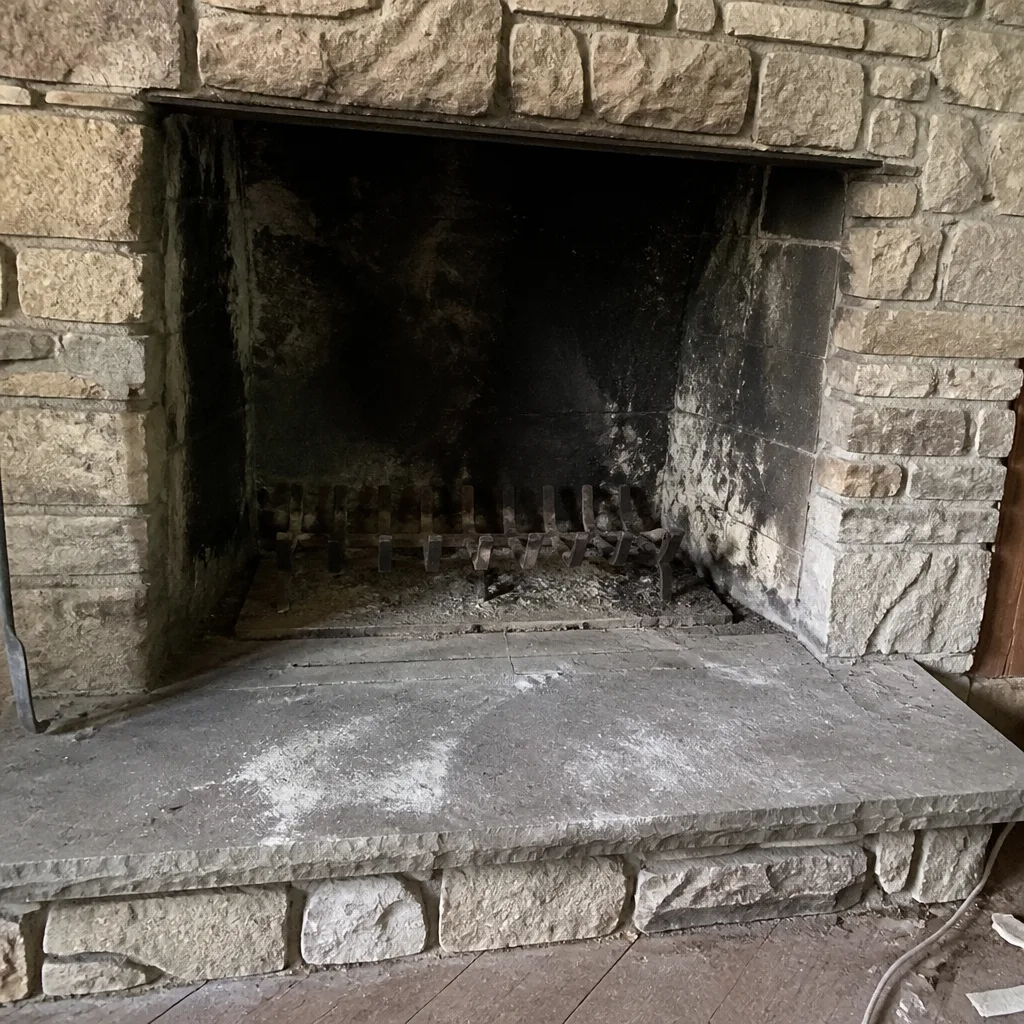 Before
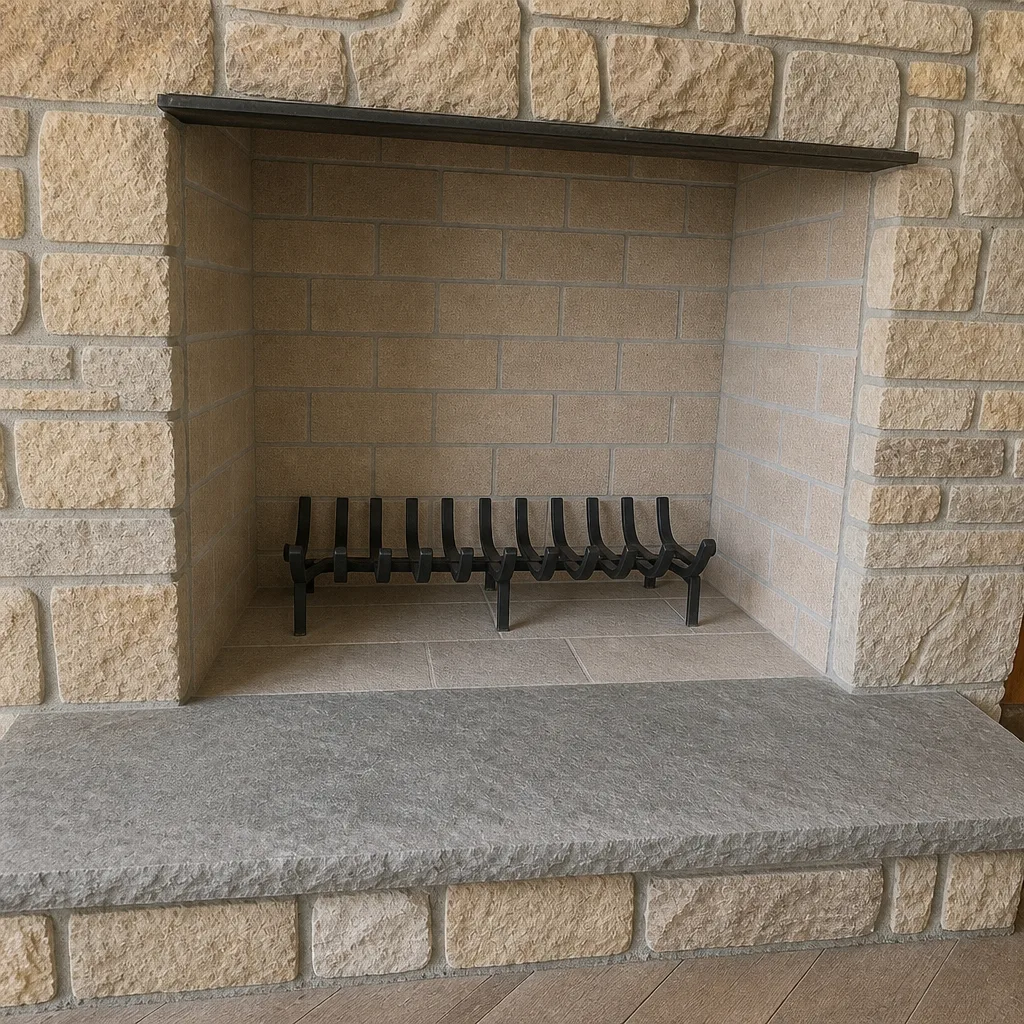 After
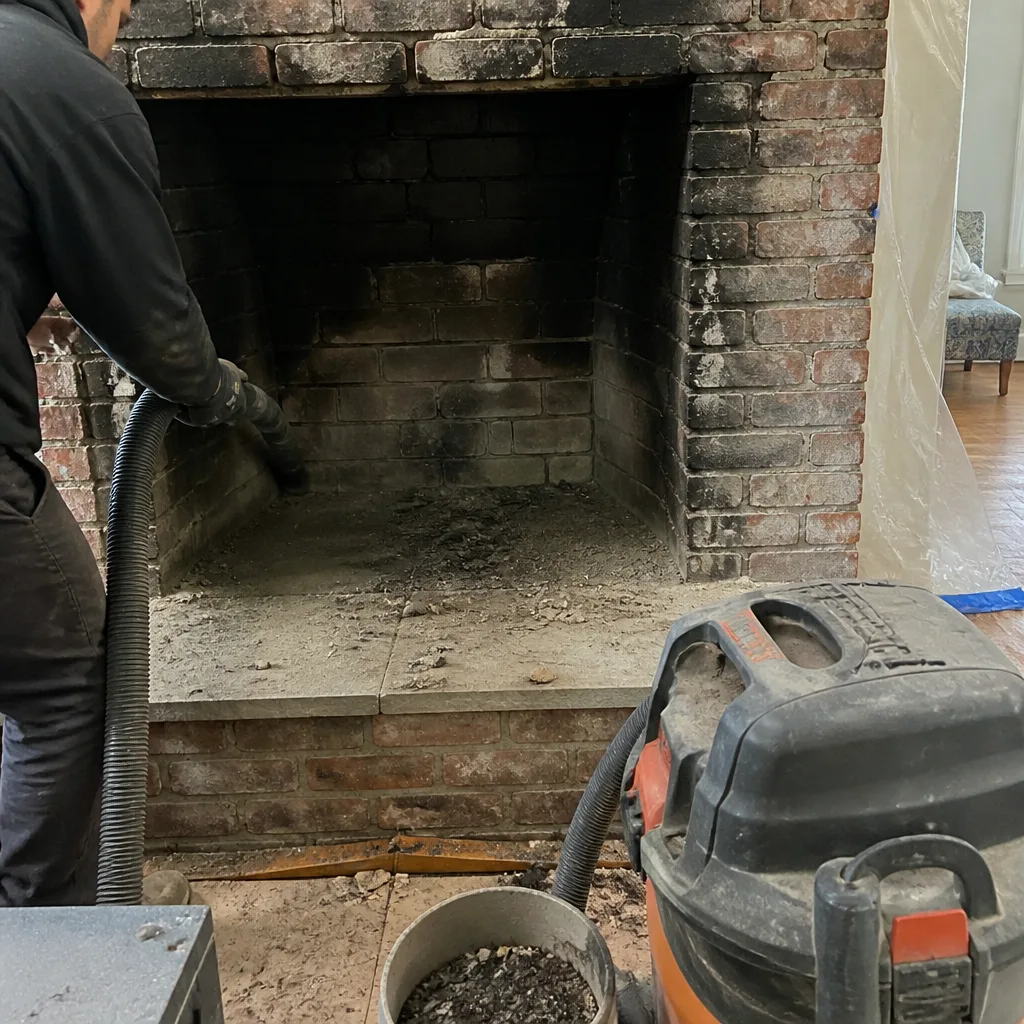 Before
 After
 Before
 After
When to Call a Professional
Call a professional when any of the five override conditions applies: water intrusion, a chimney fire or its evidence, visible displacement, smoke or CO in the space, or a storm or vacancy event. Call when the firebox shows loose or crumbling firebrick, or the damper won’t close. Call for the annual wood sweep and inspection, and the annual gas or oil inspection regardless of fuel. And call if you’re simply not sure what you’re looking at; an inspection is the cheapest way to answer the question, and it’s worth doing rather than guessing. Chimney Sweep Bedford Park offers free estimates in Bedford Park, call (866) 937-7520. We handle the sweep, the standalone inspection, and any repair the inspection turns up, from cap and crown to liner work, under one roof.
Frequently Asked Questions
Wood-burning fireplaces should be swept annually, ideally before heating season, because wood deposits creosote in the flue. Gas inserts need an annual inspection and cleaning, and oil flues typically need sweeping annually or biannually depending on use. The schedule is a floor; if the condition checklist turns up any of the override conditions, book an inspection sooner.
You can do the safe part of it: the ground-level walk-around, the firebox and damper check from inside, and the visual check up the flue from the firebox with a strong light. You cannot safely do the roof-level portion or the camera inspection of the full flue, which is what the professional sweep covers. A useful rule is to do your part before the sweep arrives, then let the sweep confirm and document.
Stand back and look at the top of the chimney. Look for visible cracking across the crown slab, crumbling at its edges, or a crown that appears to be lifting away from the flue tile. If you catch it early, it’s a straightforward repair; if it goes into a winter with a crack, the freeze-thaw cycle enlarges it. A chimney cap over the flue and a properly sealed crown are how you stop it getting worse.
Yes. Gas appliances produce far less creosote than wood, but their vents can clog with debris, insect nests, or a fallen bird, and a partially blocked gas vent is a carbon monoxide concern. Annual inspection and cleaning of the gas appliance and ventilation is the standard, and it’s worth having a professional do it rather than assuming “it’s gas, it doesn’t need anything.”
A cap should be checked each fall for loose seating, rust holes, and missing or damaged mesh. If the cap is dented, rusted through, or sitting at an angle, replace it. We install caps and covers from Gelco and Famco because they’re built specifically for the weatherproofing job, and the cap is one of the least expensive maintenance items on the list.
It’s very useful. Insurers increasingly want evidence that a wood-burning appliance has been maintained, and a buyer’s inspector will look at the chimney at resale. An annual folder of your own photos plus the sweep’s written report and photos is exactly that evidence. It costs you nothing to keep, and it changes the conversation when someone else asks about the chimney.
A summer smoke smell usually means a restricted or downdrafting flue, and often a bit of moisture cycling in there as well. Don’t light a fire to “burn it off.” Book an inspection so the flue, cap, and crown can be checked together, since the fix is usually in one of those three places. Call (866) 937-7520 for an estimate.
The Bottom Line
A maintenance checklist works when it’s tied to specific things you can see and record, not to a vague annual reminder. Run the ground-level walk, check the firebox, watch for the freeze-thaw signals that are especially relevant in Bedford Park, log it with photos, and match the appliance to the maintenance it actually needs. Then book the professional sweep and inspection for what you can’t safely see, and let the five override conditions pull the schedule forward when they apply. Clean flue, sound crown, proper cap: that’s a chimney that’s ready for the season. Call (866) 937-7520 for a free estimate. We answer 24/7. Fast dispatch from 7am to 7pm, Sunday through Friday.
Written by the team at Chimney Sweep Bedford Park.