
Last updated November 25, 2026
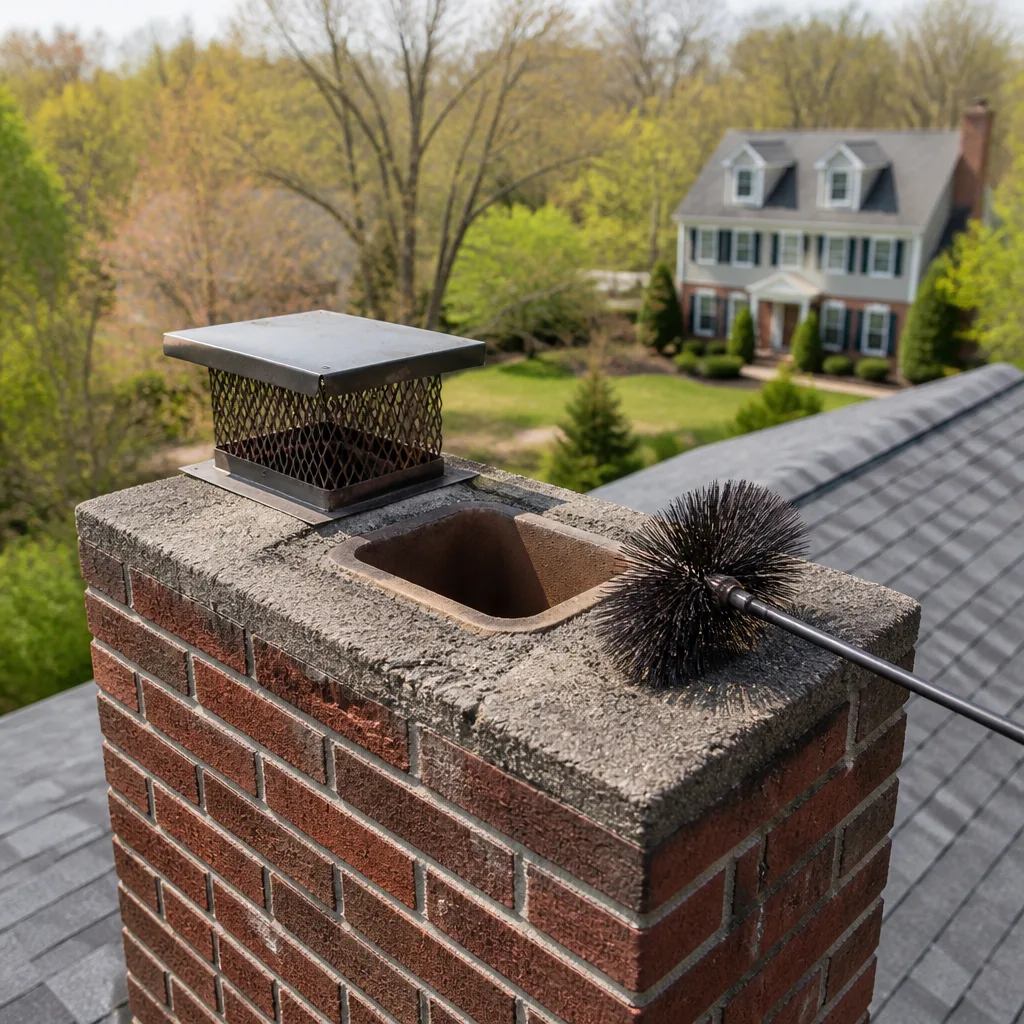 Sweep & inspection
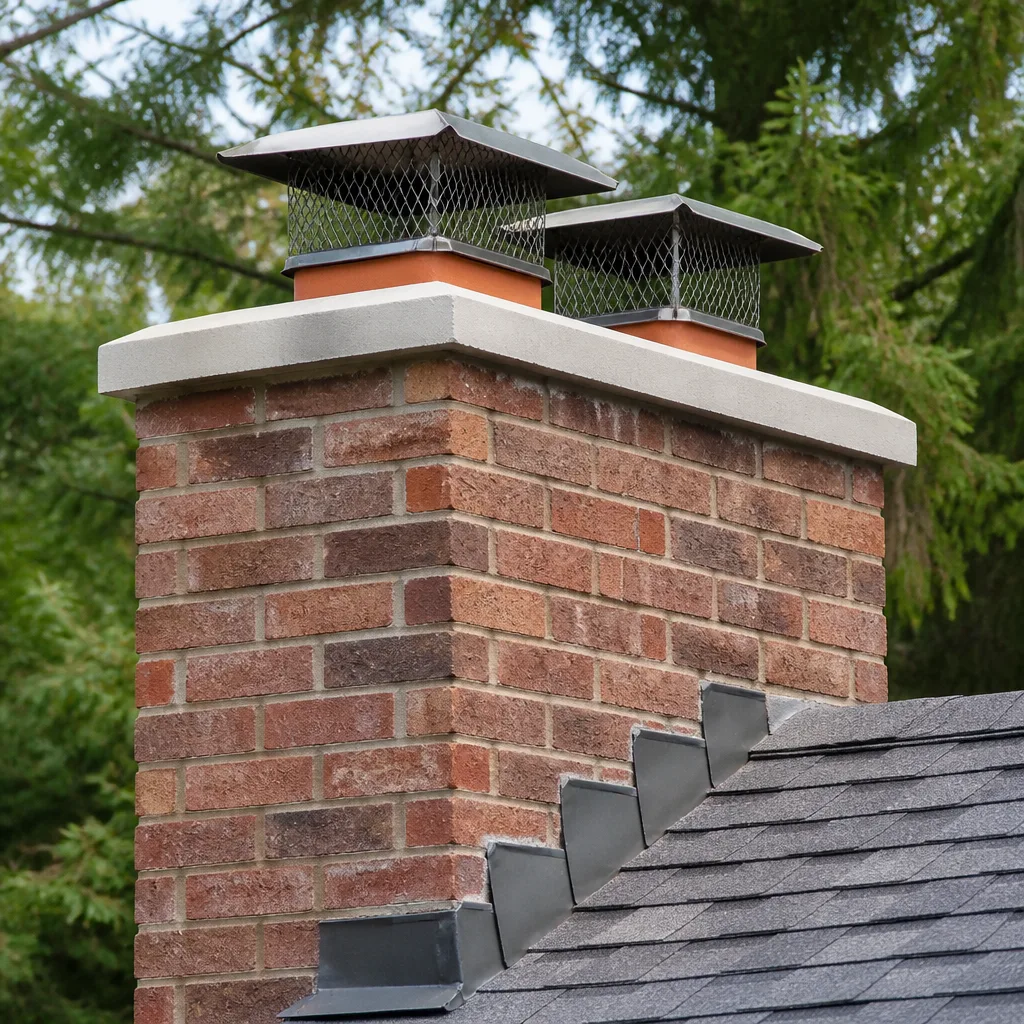 Caps & crowns
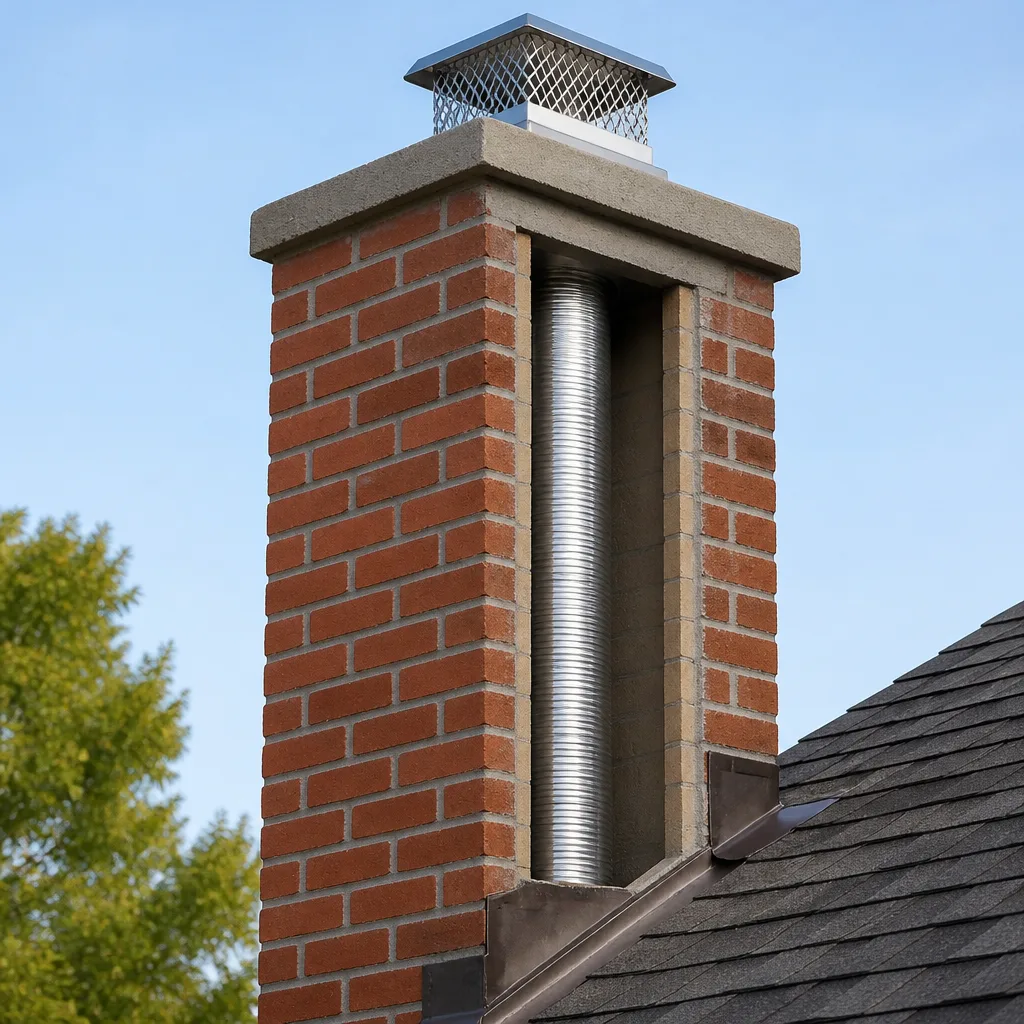 Flue relining
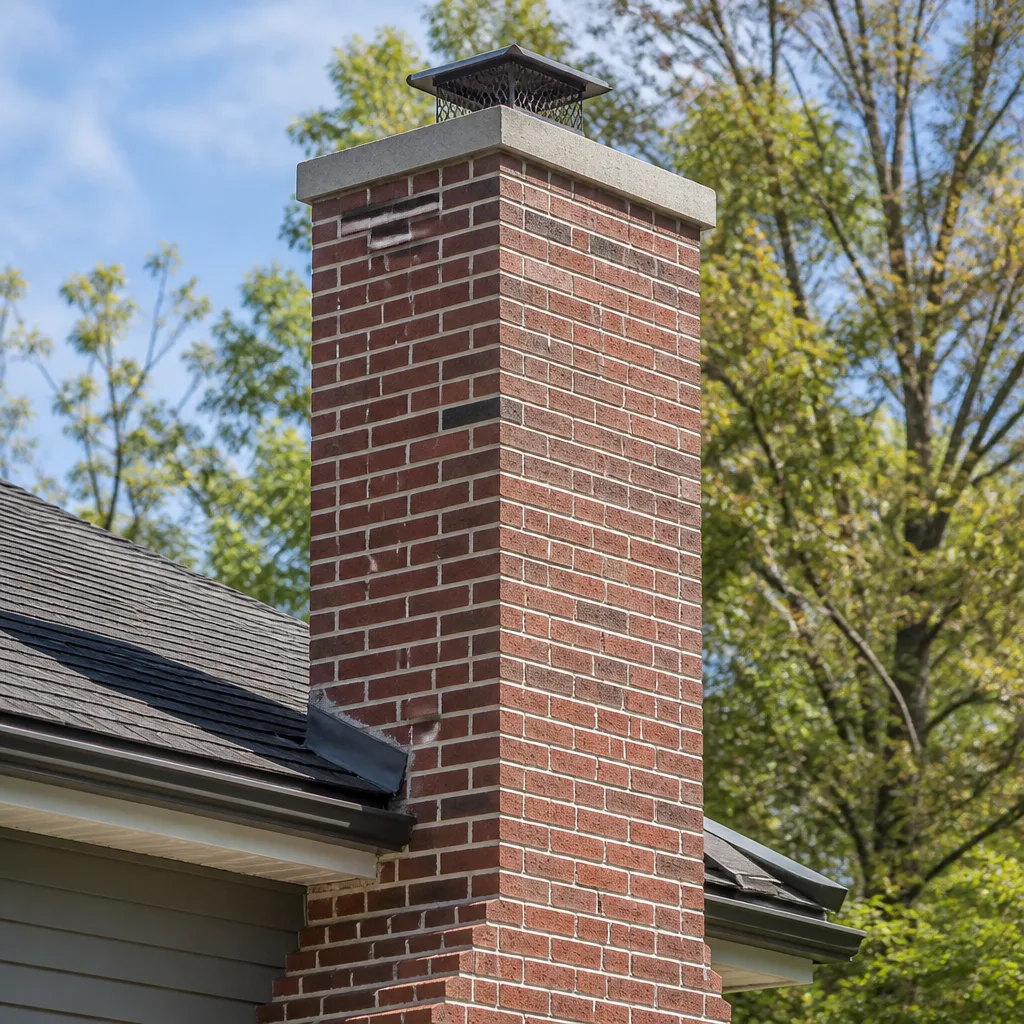 Masonry repair
 Gas fireplace service
Level 1 sweep and inspection to the NFPA 211 annual standard - flue, crown, cap, and flashing checked and photographed
Chimney sweep logs do not sweep chimneys. They loosen some creosote - which then falls where a brush and vacuum still have to collect it.
DIY vs Professional Chimney Cleaning: The Bedford Park Homeowner’s Decision Guide
A chimney brush can remove surface soot. It cannot tell you whether the flue tile behind that soot has a half-inch crack directing combustion gases into your wall cavity. That gap, between what a brush touches and what a trained eye can actually see, is the whole conversation. Most Bedford Park homeowners asking about DIY versus professional cleaning are really asking whether they can trust their own inspection. This guide separates what you can safely handle from what genuinely belongs in professional hands, and it explains the specific conditions where a homeowner’s own effort can quietly create a problem.
Quick Answer
Professional chimney cleaning in Bedford Park is the right call for anything beyond surface soot removal, and a professional inspection is essential every year regardless of whether you sweep yourself. A homeowner can reasonably do visual firebox checks, ground-level cap inspections, and ash removal. Anything involving a camera inspection, liner condition, gas or oil appliances, or creosote beyond light surface deposits should go to a trained sweep with proper containment equipment. The decision isn’t about skill. It’s about what you can and cannot see inside a sealed flue system.
Styles & brands we work with
- Sweep & inspection
- Caps & crowns
- Flue relining
- Masonry repair
- Gas fireplace service
Table of Contents
- What DIY Chimney Work Can Legitimately Handle
- What a Brush and a Flashlight Cannot See
- Conditions Where DIY Becomes a Code Problem
- The Insurance Consequence Nobody Talks About
- The Equipment Reality Check
- The Diagnostic Gap: Camera Inspection vs. Flashlight Check
- When DIY Is Genuinely Fine in Bedford Park
- What a Professional Sweep Actually Involves
What DIY Chimney Work Can Legitimately Handle
There’s a real middle ground here, and it’s worth naming clearly before we get into the risks. A conscientious homeowner can do several useful things without touching the flue interior. None of them replace an annual inspection, but they catch small problems early and they keep your fireplace running cleanly between visits.
Here’s what actually belongs in homeowner territory:
- Firebox visual checks. With the fire fully out and the fireplace cold, look at the firebox walls for crumbling mortar, cracked firebrick, or any loose material. A soft tap with a screwdriver handle tells you whether brick is sound or hollow.
- Ground-level cap inspection. From the yard, use binoculars to check that your chimney cap is still seated, that no birds or squirrels have built a nest inside the mesh, and that the crown (the concrete top) isn’t visibly cracked. A dislodged cap lets water straight into the flue.
- Ash removal. After the fire is fully cold, scoop ash into a metal container with a lid. Never a plastic bucket, never a paper bag, never the kitchen trash. Coals can stay hot for hours longer than they look.
- Damper operation. Open and close the damper several times before the season starts. It should move freely. A damper that sticks, rattles, or won’t stay open is worth mentioning at your next inspection.
- Visual flue check from the fireplace opening. With a flashlight, look up into the flue from inside the firebox. You’re looking for obvious cracking on the visible tile, heavy black glaze, or anything blocking the opening. This is a peek, not an inspection.
What this list has in common is that every item is a check or a cleanup, not a repair or a clean of the flue interior itself. The distinction matters. Noticing something is different from fixing it, and noticing something only helps if you know what you’re looking at. When a Bedford Park homeowner calls us after a visual check turns up something odd, the call usually costs nothing and the peace of mind is worth it.
What a Brush and a Flashlight Cannot See
A chimney is a sealed system. From the firebox, you can see up the flue. From the roof, you can see down. Neither view tells you what’s happening inside the flue tile walls, at the offset where the chimney bends, or in the smoke chamber just above the damper. Those three zones are where most of the expensive problems live.
Here’s what a homeowner’s visual effort genuinely misses:
- Cracks in flue tile. Hairline fractures on the inner surface of a clay tile can open wider under heat. A flashlight from below catches the obvious ones. It cannot see the inside face of a tile at a 30-degree offset where a camera goes.
- Creosote stage 3. Glazed creosote looks like a hard, shiny shell bonded to the flue wall. A wire brush won’t touch it, and a flashlight from below reads it as “stained flue.” Stage 3 creosote is the fuel load that makes chimney fires dangerous. It only comes off with proper tools or chemical treatment.
- Smoke chamber condition. The smoke chamber is the sloped section just above the damper. It collects creosote and shows no signs of trouble from the firebox. It’s only visible from above, with a camera.
- Animal nests and debris blockages. A blocked flue pushes carbon monoxide back into the room. The blockage often sits above the visible flue from the firebox, out of sight.
- Liner separation and gaps. A clay tile liner is a stack of individual tiles with mortar joints. Those joints can fail. So can the connection between the liner and the appliance collar. A brush passes right over a gap that’s sending exhaust into the wall cavity.
- Chimney cap and crown microcracks. A crown with a hairline crack looks fine from the ground and leaks after every freeze-thaw. Water damage is the slow killer of Bedford Park chimneys.
The recurring theme is this: the things that matter most are the things you can’t see from the places you can safely stand. A chimney brush removes what’s on the surface of the flue. It doesn’t diagnose what’s behind it.
Conditions Where DIY Becomes a Code Problem
Some situations aren’t just inadvisable for a homeowner. They cross into code territory, and the consequences go beyond a bad cleaning job. Here’s where we draw a hard line.
- Gas appliances vented through the chimney. A gas furnace, gas water heater, or gas fireplace insert vents combustion byproducts through the flue. Gas exhaust is acidic and produces its own residues. Cleaning a gas flue without understanding its venting requirements can disturb the draft and vent carbon monoxide into living space. Professional inspection is not optional here.
- Oil flues. Oil-fired appliances leave a different residue, and the flue requires a trained eye to assess soot and sulfur buildup. A homeowner brush pass can loosen deposits that then flow down and block the appliance connection.
- Any liner work. Replacing, repairing, or resurfacing a liner is a structural repair. Liner installation requires matching the appliance to the flue, sizing the liner correctly, and connecting it to code. This is where a proper outfitter uses specific materials, like a DuraFlex liner sized to the appliance, or a HeatShield resurfacing for a liner that can be restored rather than replaced.
- Any chimney fire history. If you’ve had a chimney fire, even a small one, the flue needs a professional inspection for cracked tiles and heat-damaged mortar before anyone lights another fire. This is not a brush-it-out situation.
- Masonry changes near the crown or cap. Adding or replacing a cap, or repairing a crown, affects how the chimney vents and sheds water. Cap installation on a wind-exposed roof is a professional job with a specific product for the specific crown geometry.
We work with professional-grade materials across the full range of chimney work, from Olympia Chimney liners to Famco and Copperfield caps and covers, because matching the right product to the specific condition is how the work holds up. If you’re unsure whether your situation is in DIY territory, that uncertainty alone is the answer. Call chimney sweep professionals and let them look.
The Insurance Consequence Nobody Talks About
Here’s the piece that rarely makes the homeowner checklist. If a chimney fire happens and you file a claim, most homeowner policies include language about reasonable maintenance and inspection. Insurers increasingly ask for proof that the chimney was maintained. And when there’s no professional inspection record on file, that claim can be denied.
This isn’t about scaring anyone. It’s about a paper trail that costs very little to build and can mean the difference between a covered repair and an out-of-pocket one. In our experience, the Bedford Park homeowners who call for a routine annual inspection are the ones who can produce a record when they need one. The ones who clean it themselves have often never had a professional look at the flue in years.
What a professional inspection record actually gives you:
- A dated document showing when the chimney was last inspected and what was found.
- A written record of any defects, so you have substance if you ever pursue a repair or a claim.
- A baseline to compare against later, so you know if a crack is new or old.
- Clear evidence to show your insurer that the chimney was being maintained.
- A starting point for any future claim, instead of a “we’ve never had it checked” gap.
If your policy has language about chimney maintenance, read it. Then get an inspection on the calendar. It’s the cheapest part of owning a fireplace.
The Equipment Reality Check
A consumer-grade chimney brush kit costs somewhere in the $80 to $150 range and it cleans surface deposits. That’s a fair thing to do with your own time if the deposits are light. What that kit does not do is contain anything.
Professional containment systems run well over $3,000 for a reason. The vacuum HEPA unit, the sealed flue connection, the drop cloths that lock down around the firebox, the negative pressure setup that keeps soot where it belongs: none of that fits in a homeowner’s tool bag. A wire brush on a rod, spinning inside a flue, does exactly what you’d expect to the soot. It loosens it and it puts it in the air. Some of it comes out on the brush. The rest settles on the firebox floor, the rug in front of the fireplace, the mantel, and the surface of whatever’s within range in the room.
Here’s the comparison in plain terms:
- Homeowner setup: wire or poly brush kit ($80-$150), shop vacuum, drop cloth, flashlight. Cleans surface soot. Disturbs everything else into the air.
- Professional setup: rotary head sized to the flue, HEPA vacuum containment ($3,000+), sealed flue collar, negative pressure, camera inspection, no dust in the room when the job is finished.
- Homeowner sees: surface of the flue from below. Professional sees: the full interior of the flue, the smoke chamber, the cap, and the crown.
The gap between those two lists is why a professional sweep exists at all. It’s not that we use a fancier brush. It’s that the containment, the camera, and the trained eye are the actual service. The brush is the least important part of the job.
The Diagnostic Gap: Camera Inspection vs. Flashlight Check
A CSIA-certified sweep uses a camera inspection for a reason that has nothing to do with upselling. A flashlight from the firebox and a flashlight from the roof produce two very different pictures, and neither of them is a complete picture. The camera fills the gap.
What a camera inspection reveals that no brush pass or flashlight check can:
- Offset and transition zones. Most Bedford Park chimneys have an offset where the flue bends to route through the house. The inside of the offset is invisible from both ends and is where the highest creosote buildup tends to live.
- Tile joint integrity. The camera sees the mortar line between each tile. A failing joint at the third tile up is invisible from below and it’s a pathway for combustion gases into the wall cavity.
- The smoke chamber. Directly above the damper, the smoke chamber’s sloped walls are not visible from the firebox. The camera shows whether creosote has accumulated there and whether the masonry is sound.
- The cap connection from inside. A camera lets the sweep see where the flue meets the cap from below, which catches loose or shifted cap seating that a roof-level glance might miss.
- Evidence of past chimney fires. Heat-fractured tile and puffed-out mortar show up clearly on camera and can be subtle or invisible on a flashlight pass. Past fires that went unreported are surprisingly common.
We don’t recommend a liner repair or resurfacing without camera evidence that you can see for yourself. That’s the point of the camera. It turns “trust me, you need this” into “here’s the crack on the screen, and here’s what it means.” Our technicians have up to 11 years of experience running that inspection, and a good one is less about the tool than knowing what you’re looking at.
When DIY Is Genuinely Fine in Bedford Park
We’re not going to tell you that everything requires a professional. That would be dishonest. There’s a real set of homeowner tasks that make sense, and doing them well keeps your fireplace in a better place between professional visits. The key is knowing where the line is.
Here’s the comfortable DIY zone:
- Between-season ash removal. Fully cold firebox, metal container with a lid, done. Repeat as needed.
- Firebox wall inspection. Seasonal visual check for cracked firebrick and crumbling mortar. Write it down if you see anything odd.
- Ground-level cap and crown observation. Binoculars from the yard. Check that the cap is seated, mesh is clear, and the crown looks intact.
- Damper exercise. Open and close a few times before first fire of the season.
- Draft check. Before your first fire, light a small piece of newspaper in the firebox to confirm the flue is pulling air up. If smoke rolls back into the room, stop and call someone.
- Keeping the roof clear of leaves and debris near the chimney. Simple maintenance, no risk to you.
And here’s where DIY stops being fine, in Bedford Park specifically:
- Any chimney that hasn’t been professionally inspected in over a year.
- Any chimney connected to a gas or oil appliance.
- Any chimney with a known or suspected past chimney fire.
- Any visible creosote glaze on the flue interior.
- Any question about liner condition, cap integrity, or crown cracking.
If you’re in the comfortable zone, keep doing what you’re doing. If you’re not sure, an inspection answers the question directly. We offer Chimney Sweep Bedford Park inspections as a standalone service, which means the visit is a safety assessment, not a sales call.
What a Professional Sweep Actually Involves
If you haven’t had a professional sweep before, here’s the actual sequence. Understanding the process removes the mystery and makes it easier to evaluate what you’re paying for.
- Setup and containment. The sweep lays drop cloths around the hearth and connects a HEPA vacuum to the firebox opening. Negative pressure keeps soot in the flue during the sweep.
- Initial camera inspection. Before cleaning, the sweep runs a camera down the flue to see what’s there. This establishes a baseline and catches existing defects before the brush moves.
- Flue sweep. A rotary head sized to the flue is run through the full length of the flue. This removes soot and light-to-moderate creosote from the flue walls.
- Smoke chamber and firebox cleaning. The smoke chamber above the damper, the damper itself, and the firebox are cleaned separately.
- Post-cleaning camera inspection. The sweep runs the camera again to confirm the flue is clean and to document conditions for the report.
- Report and findings. The sweep walks you through what was found. Photos are usually part of this, and you should see them.
- Recommendations, if any. Any needed repair (cap, crown, liner) is described with the specific condition it addresses, not a vague “you need work.”
That’s the shape of a real sweep. The cleaning is half the job. The inspection and the report are the other half, and they’re what makes the visit worth repeating every year. A chimney sweep in Bedford Park is a maintenance appointment, not a service call in the plumber sense. It’s routine, scheduled once a year, and it’s where problems get caught while they’re still small.
Where repairs are needed, the sweep is also where the right materials come in. We work with Olympia Chimney flexible liners, DuraFlex components, HeatShield for liner resurfacing, and Gelco or Famco caps and covers because a chimney repair is only as good as the product going into it. That’s how we approach chimney repair when a sweep turns up a defect worth fixing.
Common Mistakes to Avoid
- Burning softwoods and expecting the sweep to do more. Softwoods leave more creosote than hardwoods, so a chimney that burns them needs more attention, not less. If you DIY, plan to inspect more often than once a year.
- Cleaning the flue from below with the cap still on. We see this often. The brush pushes soot up, and with a cap in place it comes right back down. Remove the cap or leave the full sweep to a professional, because the flue needs to be swept from both ends.
- Skipping the smoke chamber. The smoke chamber above the damper is one of the highest-creosote zones in the system, and it’s the hardest to reach with a homeowner brush. It’s worth having cleaned properly, even in a DIY-leaning household.
- Ignoring a cap that’s been dislodged by a storm. A cap that shifted in a winter wind lets water in with the next rain. Ground-level checks after storms are the cheapest insurance you can buy.
- Using a shop vac on a flue without sealing the room. It looks contained. It isn’t. Fine soot particles pass straight through a shop vac filter and coat the room. This is the mistake homeowners most regret making.
- Not tracking inspection dates. Write the date of every inspection and who did it in the back of a notebook. When you need the record for an insurance claim, it exists.
- Assuming “no visible problem” means “no problem.” A cracked flue tile and a heat-damaged smoke chamber look fine from the firebox. If it’s been more than a year since the last professional look, schedule one before the first fire of the season.
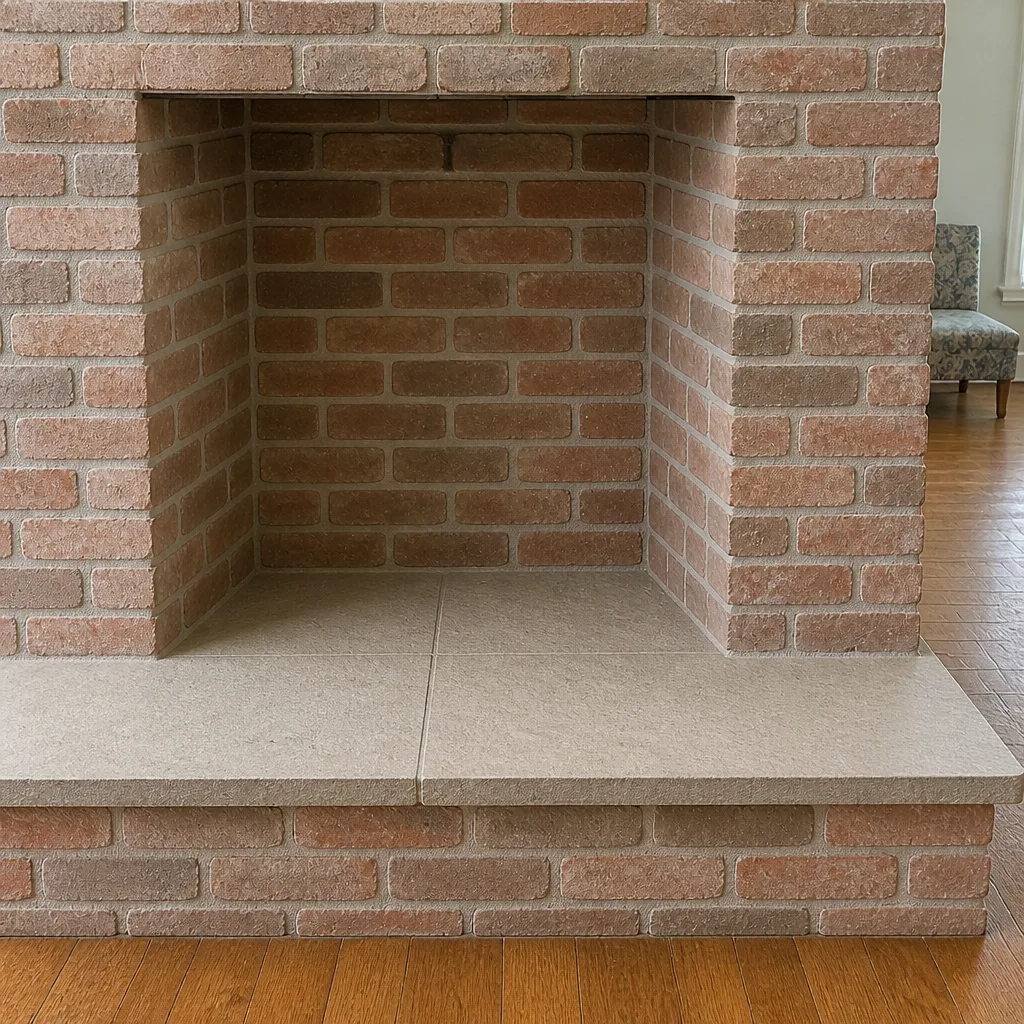
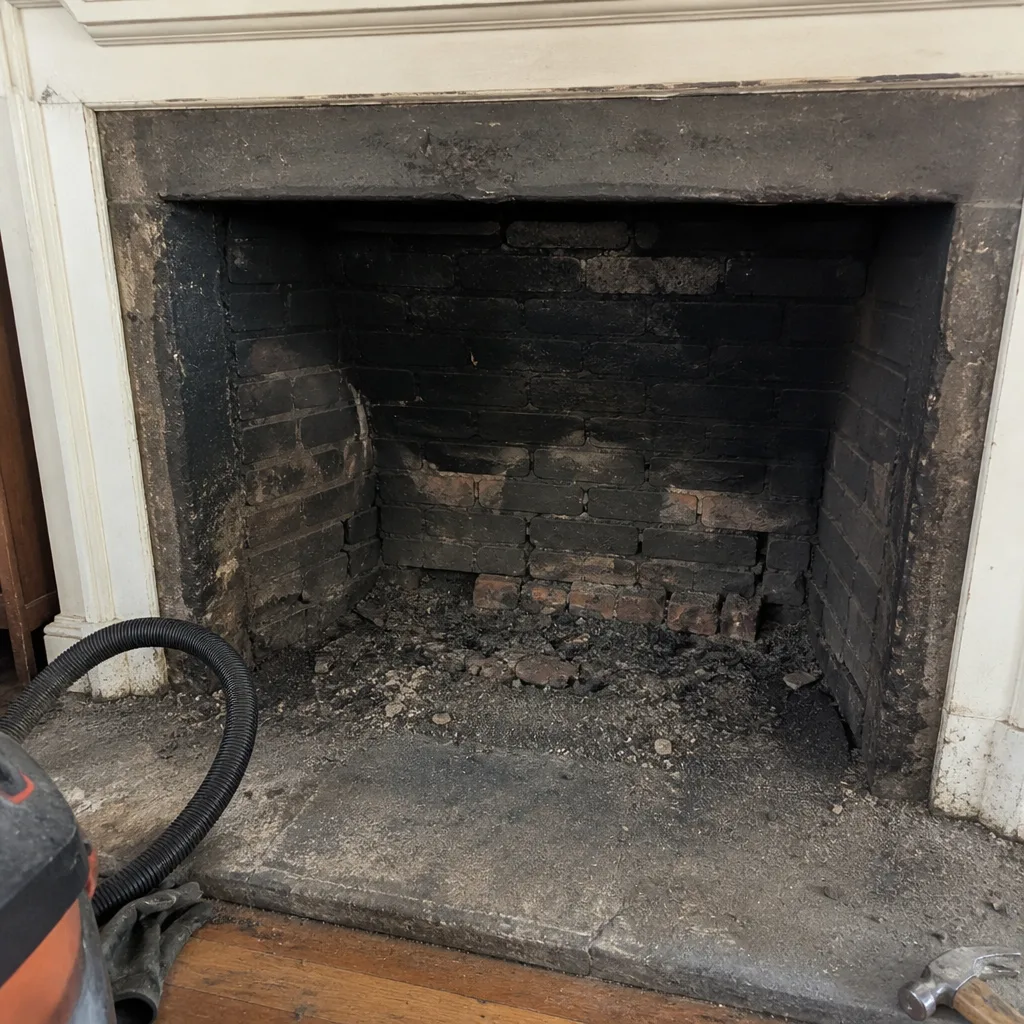
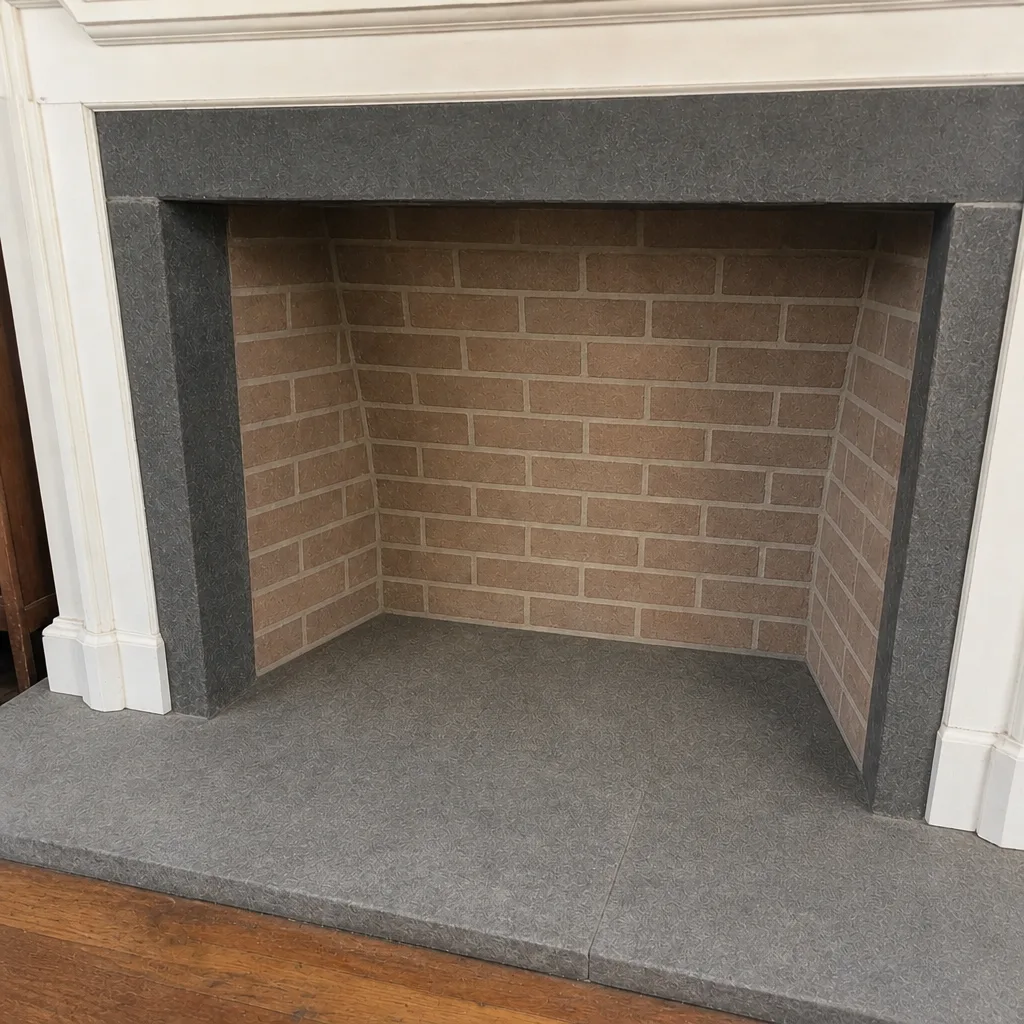
See the difference
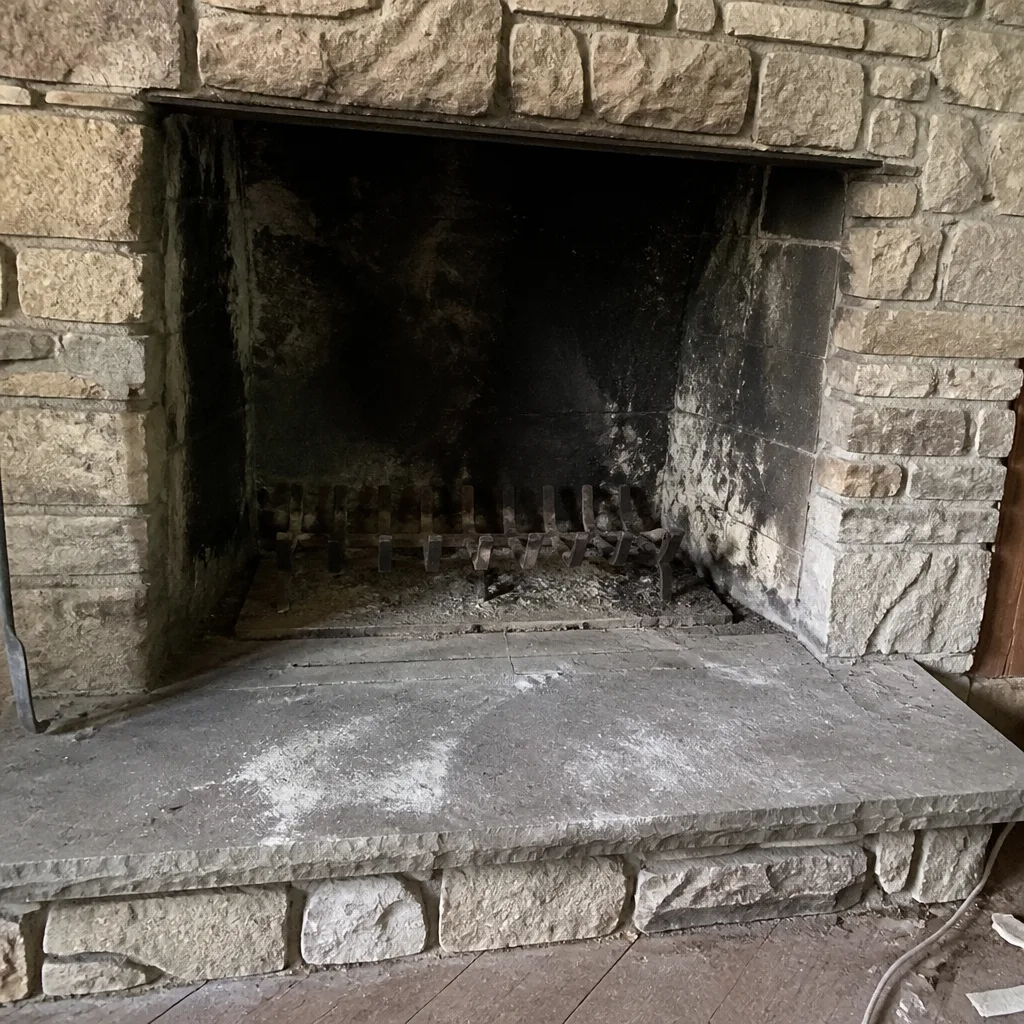 Before
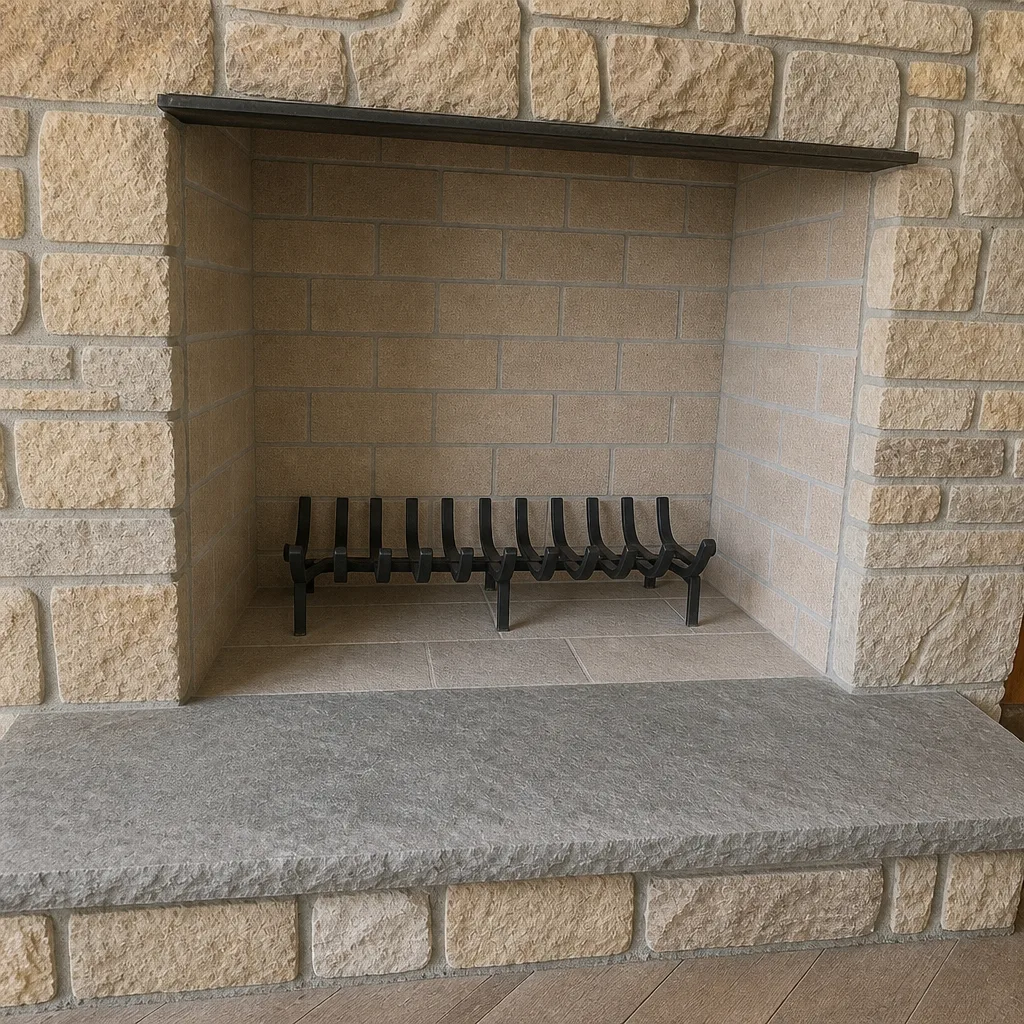 After
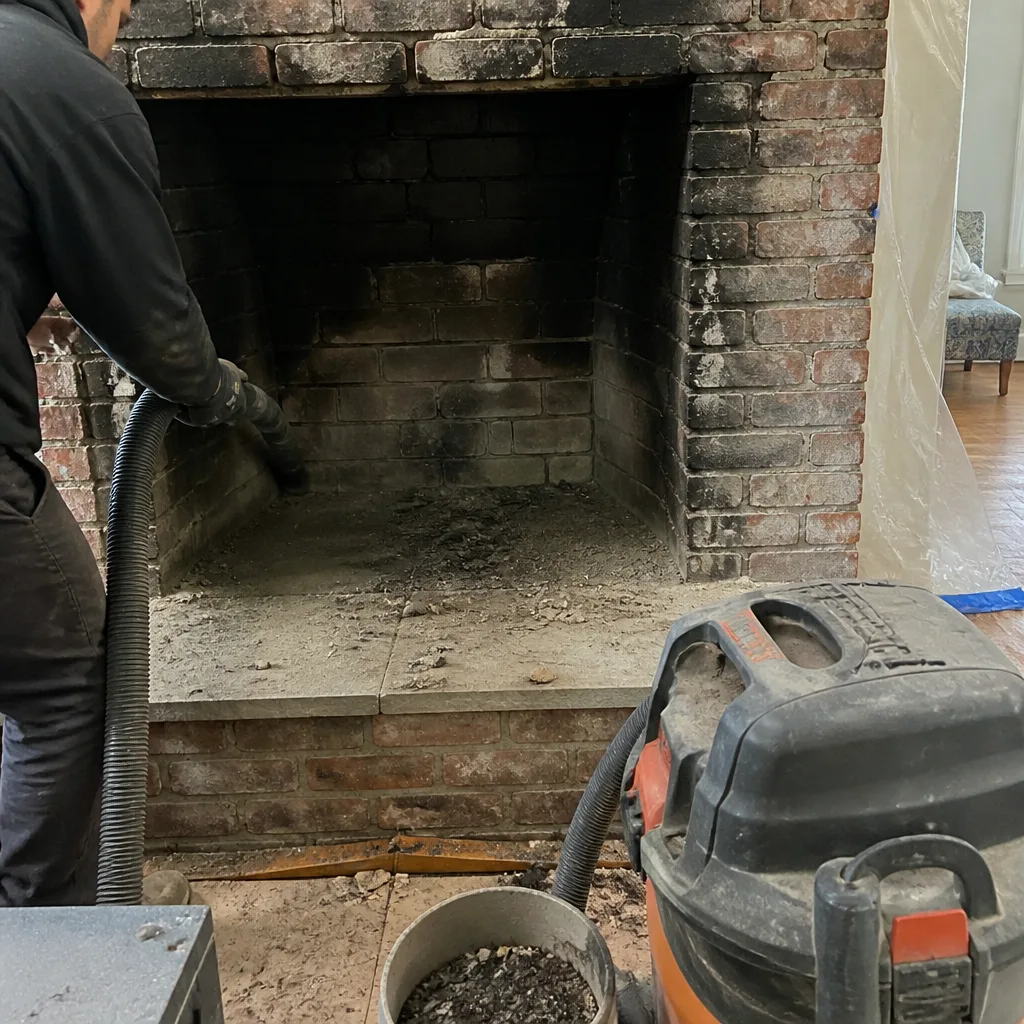 Before
 After
 Before
 After
When to Call a Professional
Call a professional when the flue hasn’t been inspected in over a year, when the chimney is connected to a gas or oil appliance, when you’ve had any chimney fire, when you can see glaze on the flue interior, or when anything about the cap, crown, or liner is uncertain. Also call when you’re about to sell the house, when your insurer asks for inspection records, or when you notice a draft that wasn’t there last season.
Chimney Sweep Bedford Park offers free estimates in Bedford Park. Call (866) 937-7520. We answer 24/7. Fast dispatch from 7am to 7pm, Sunday through Friday. Our cap and crown work uses Gelco and Famco covers, and our liner repairs use HeatShield or Olympia Chimney products depending on the condition. One company, every service your chimney needs. Take a look at chimney cap & crown if the cap is on your mind before winter.
Frequently Asked Questions
You can remove surface soot with a consumer brush kit in the $80 to $150 range, but you cannot inspect the flue interior, smoke chamber, or cap connection. The flue itself is a sealed system that requires camera inspection to evaluate. For anything beyond light surface deposits, professional cleaning is the right call. If it’s been more than a year since a professional looked at your chimney, schedule an inspection before the next fire season.
Once a year for most homes that use the fireplace regularly, and more often if you burn softwoods or use the fireplace heavily. Bedford Park’s winters run long enough that most households have a full burning season. A sweep at the end of the season clears the buildup and lets you start fresh in the fall. Even if you sweep yourself, an annual professional inspection is a separate and important step.
Creosote builds up on the flue walls, and enough of it can ignite. A chimney fire can reach temperatures that crack flue tiles and damage mortar, and the damage isn’t always visible from the firebox. Separately, a blocked or cracked flue lets carbon monoxide into the house. Skipping cleaning is a small risk that compounds each season. Call (866) 937-7520 for an inspection schedule that fits your use.
Not every liner needs replacement. A liner with localized joint damage can often be resurfaced using HeatShield rather than replaced, while a liner with cracked tiles or separation may need a DuraFlex or Olympia Chimney liner installed. The determination comes from a camera inspection, and you should see the evidence before anyone recommends a repair. Get an inspection first, then decide.
It checks the firebox, smoke chamber, flue interior, cap, crown, and the connection to any appliance. The camera inspection is the part that goes beyond a flashlight check. Inspections are a standalone service at Chimney Sweep Bedford Park and free estimates are available. Call (866) 937-7520.
You can visually inspect the firebox for cracked firebrick, check the cap and crown from the ground with binoculars, exercise the damper, and remove ash after the fire is fully cold. These are useful checks that catch small problems early. They don’t replace a camera inspection on the flue interior. If any check turns up something odd, that’s your cue to call.
The Bottom Line
The DIY versus professional chimney cleaning question isn’t really about whether you can hold a brush. It’s about whether you can see what’s behind the soot and what’s likely to happen in a sealed flue system when something is missed. Homeowners can handle ash removal, visual firebox checks, ground-level cap observations, and damper exercise. Everything else, especially camera inspection, liner assessment, and any work involving gas or oil appliances, belongs with a trained sweep. Annual inspection is the cheapest, most reliable way to protect the chimney and your insurance position. Call (866) 937-7520 for a free estimate in Bedford Park. We answer 24/7. Fast dispatch from 7am to 7pm, Sunday through Friday.
Written by the team at Chimney Sweep Bedford Park.