
Last updated November 25, 2026
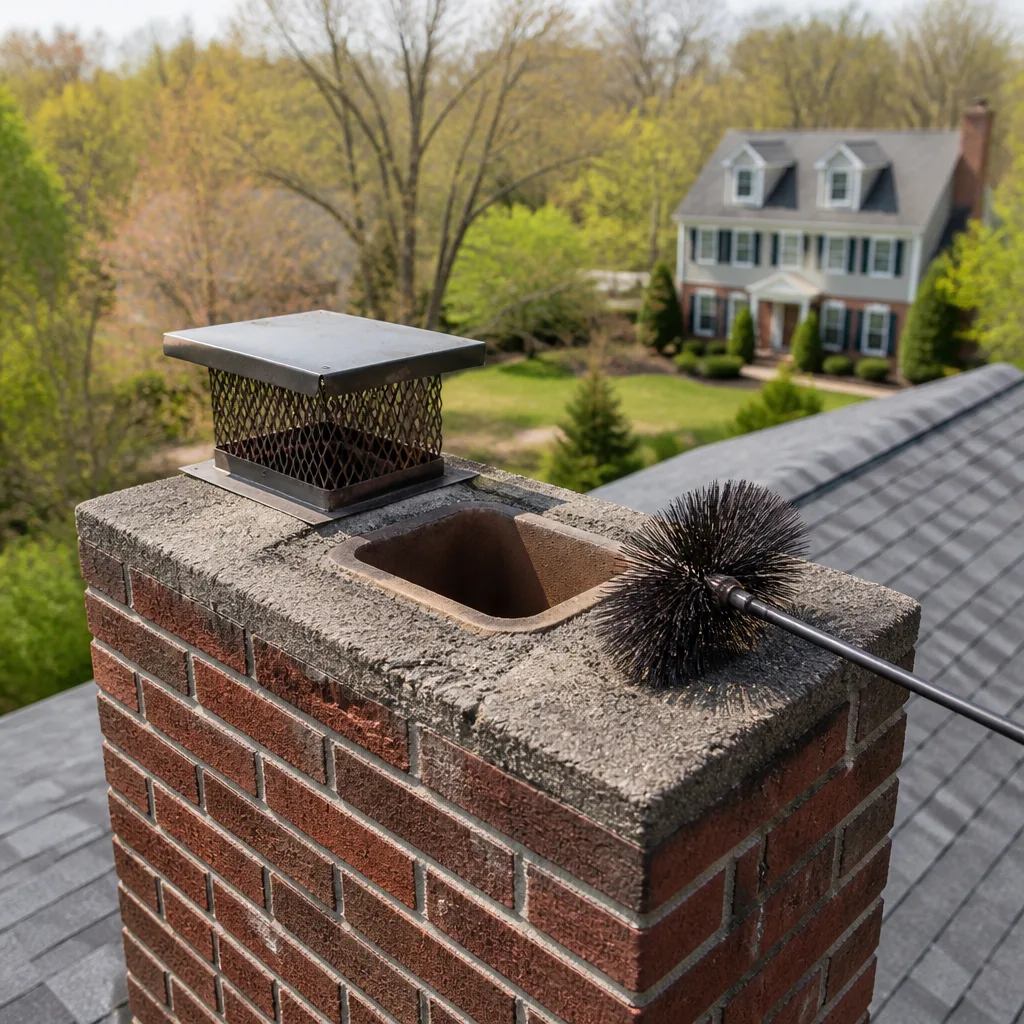 Sweep & inspection
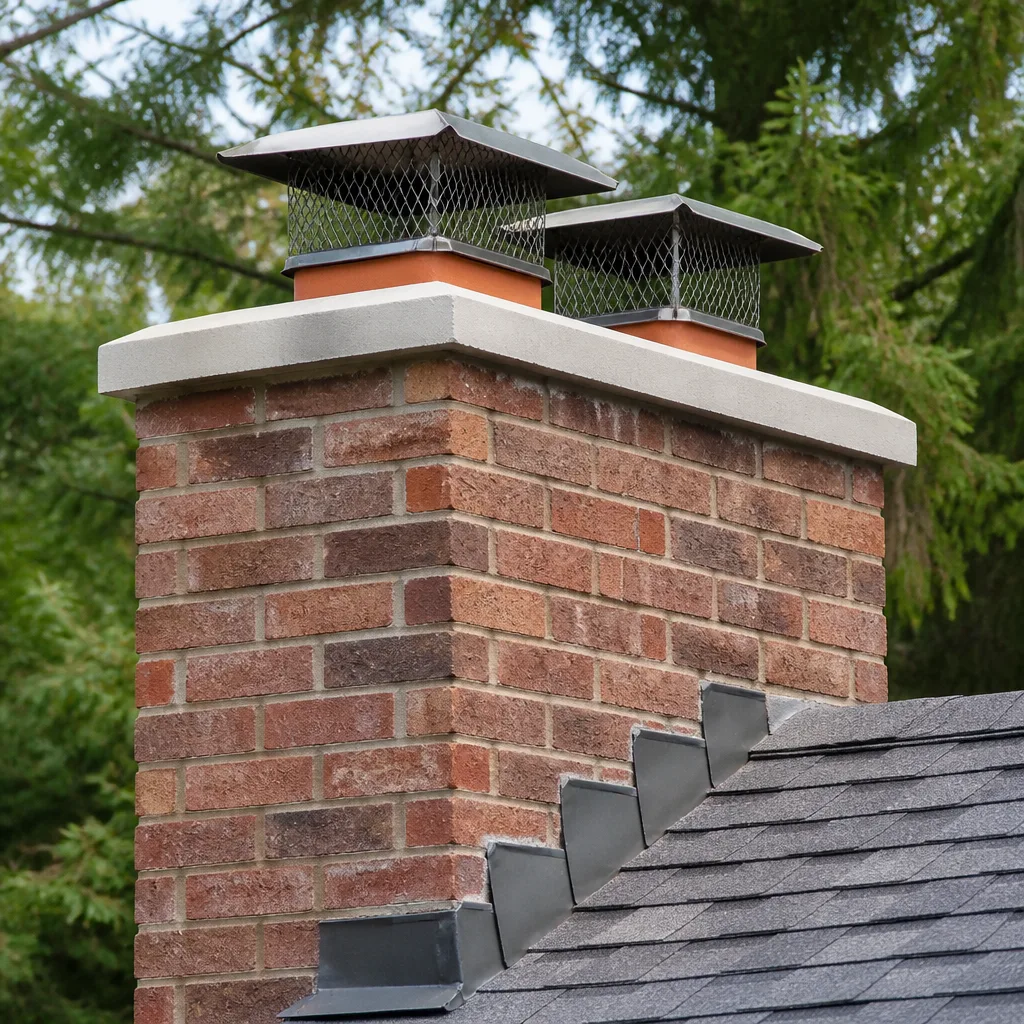 Caps & crowns
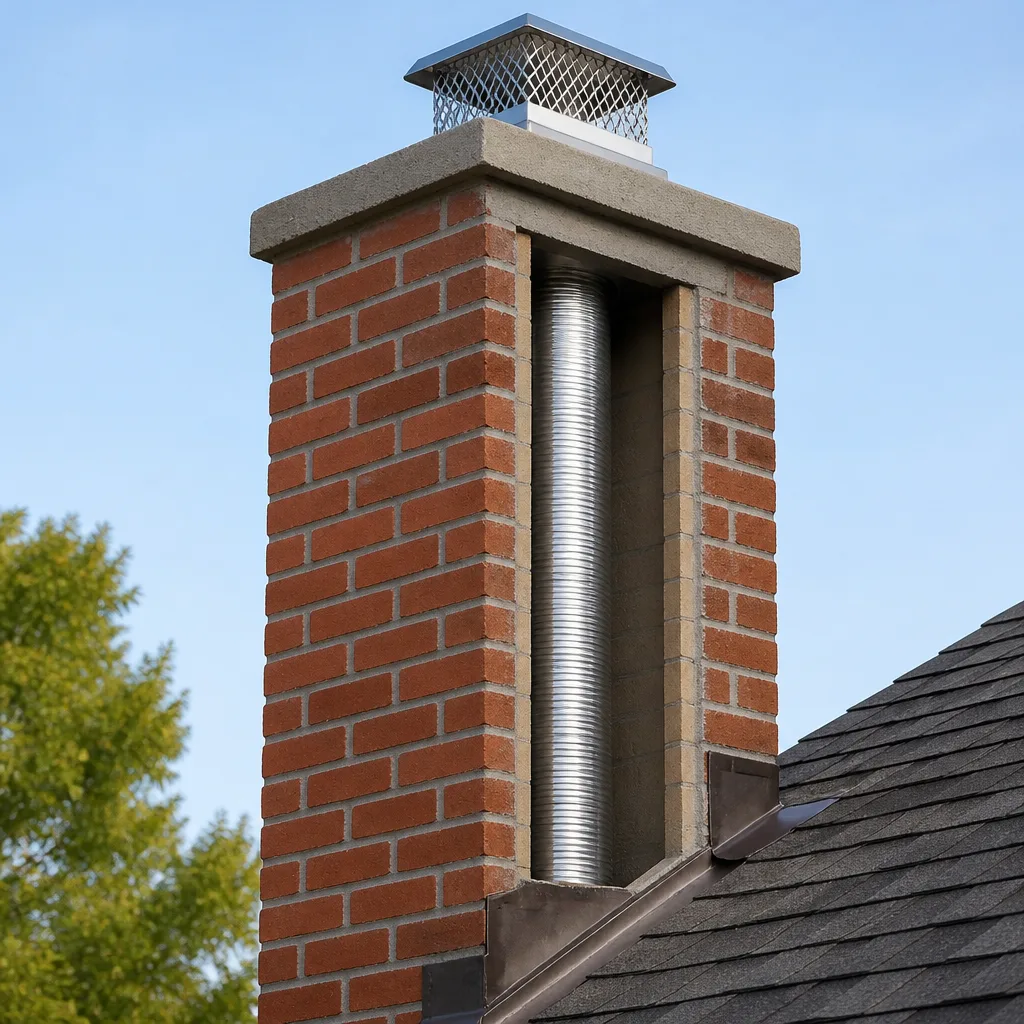 Flue relining
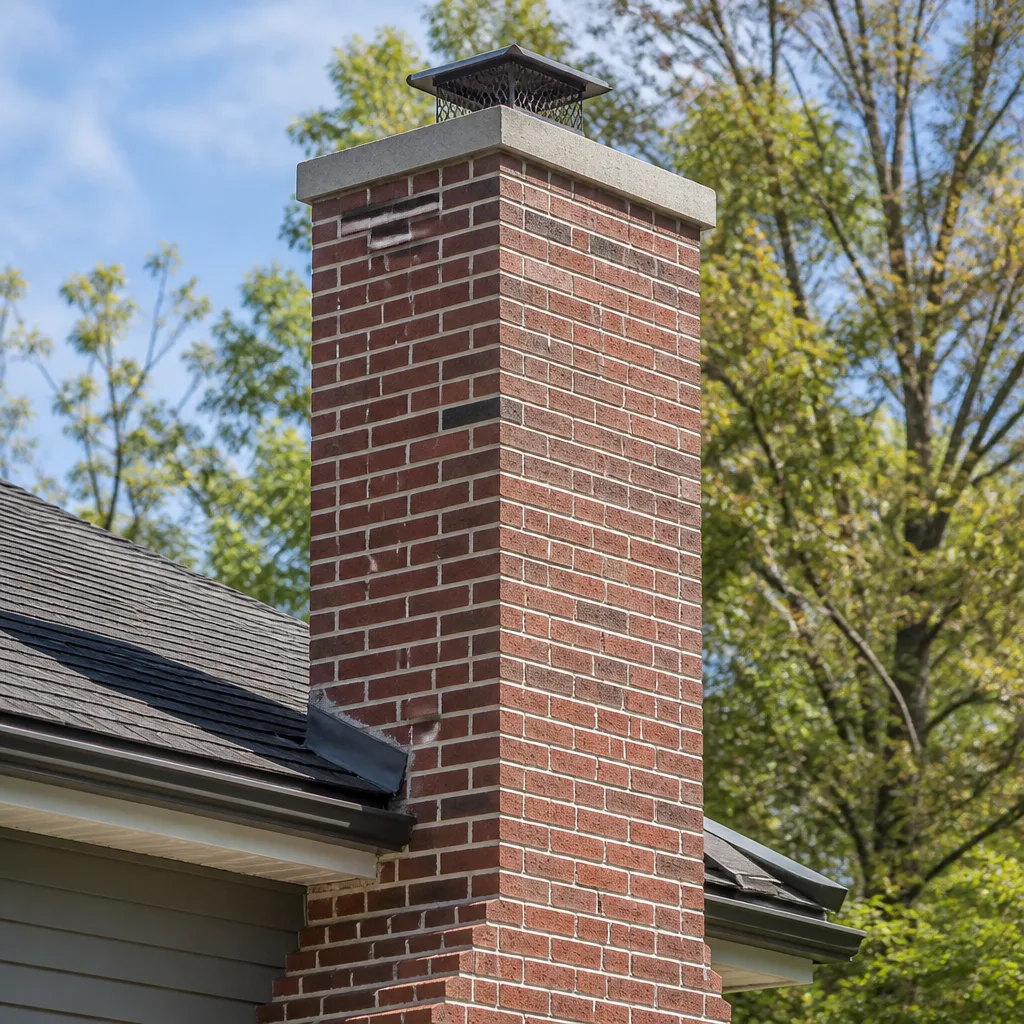 Masonry repair
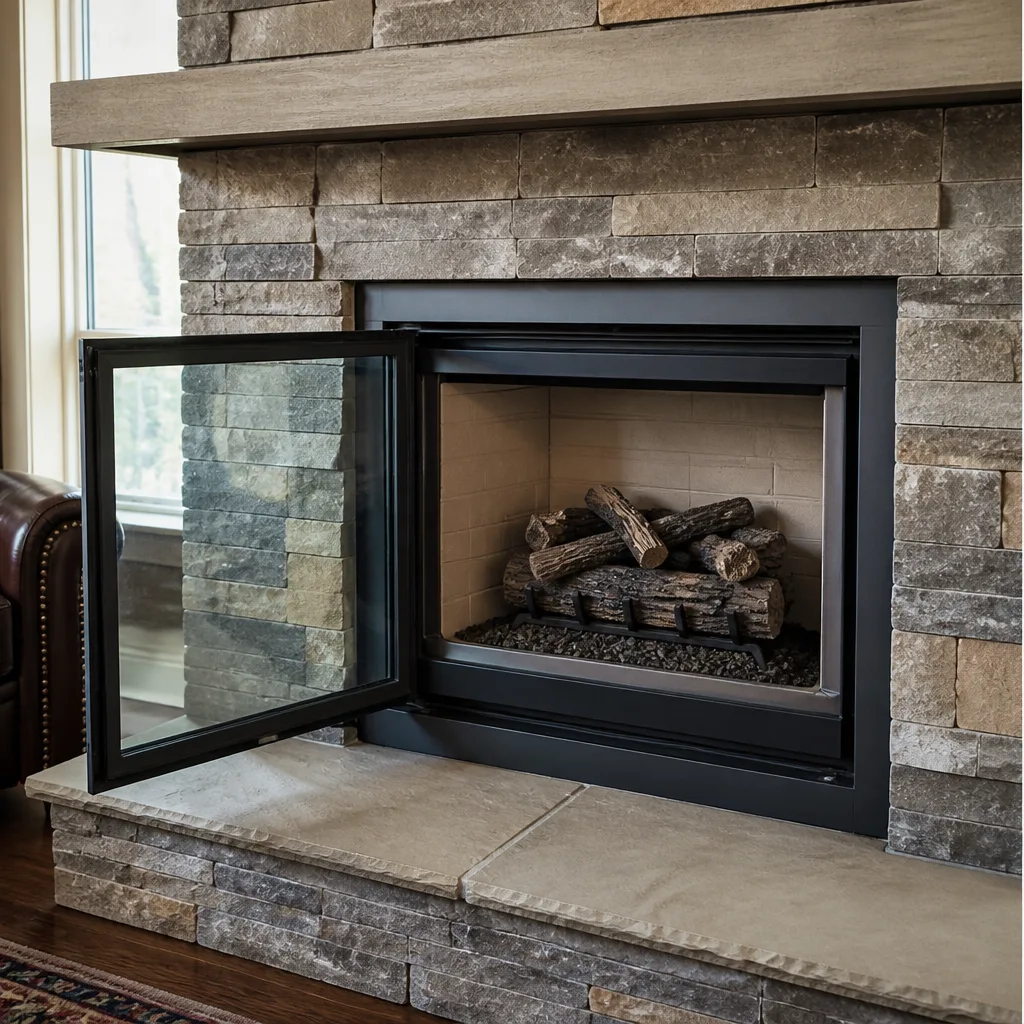 Gas fireplace service
Level 1 sweep and inspection to the NFPA 211 annual standard - flue, crown, cap, and flashing checked and photographed
Chimney sweep logs do not sweep chimneys. They loosen some creosote - which then falls where a brush and vacuum still have to collect it.
Choosing the Right Chimney Cleaning Brand: A Buyer’s Guide for Bedford Park
Two quotes land on your kitchen table. Both list “chimney crown coating” and both call it a weatherproof sealant. One tube costs a few dollars at a hardware store; the other is a product mixed and applied to a specific standard for masonry exposed to freeze-thaw cycles and heat. They can look identical on paper. The difference shows up years later, when one crown is still shedding water and the other has cracked through and let the meltwater in. This guide is about that difference, and about the brands behind it. You’ll learn how to read a contractor’s material list line by line, tell a product that’s genuinely chimney-rated from one that only sounds like it, and understand why the brand on the box decides how long a repair lasts. We’re writing it from Bedford Park, where winters are hard on masonry and the right material is not a detail. It’s the whole job.
Styles & brands we work with
- Sweep & inspection
- Caps & crowns
- Flue relining
- Masonry repair
- Gas fireplace service
Quick Answer
The right chimney brand is the one whose product carries a rating for the specific job it’s doing – UL 1777 for a flue liner, the applicable ASTM standard for a sealant or crown repair – and that comes with an enforceable manufacturer warranty requiring certified installation. Generic materials can look the same and fail sooner. In Bedford Park, choosing name-brand, properly rated products and a contractor approved to install them is what separates a repair that lasts from one that comes back.
Table of Contents
- Why Chimney Brand Names Matter More Than You Think
- Sealants and Coatings: Generic vs. Name-Brand
- Liner Systems and Why Certification Matters
- Caps and Covers: The Water Entry Point
- How to Read a Contractor’s Material List
- Warranties, Codes, and Insurance
- The Long-Term Cost Math of Doing It Right
- Common Mistakes to Avoid
- When to Call a Professional
- Frequently Asked Questions
- The Bottom Line
Why Chimney Brand Names Matter More Than You Think
Most homeowners treat the brand name on a chimney product as a marketing label. It isn’t. It’s a manufacturing standard, a warranty, and often a certification trail that tells you the product was tested for the actual conditions inside a flue. That matters because a chimney is a hostile environment. Temperatures swing from ambient to hundreds of degrees and back. Moisture from condensation and flue gas attacks the masonry and metal from the inside. The material has to survive all of it for years.
Generic products often aren’t tested for those conditions, or they’re tested to a lower bar. When a contractor writes “high-temp sealant” on a quote without naming a product, you have no way to know what’s going in. When they name a brand, you can look it up. You can check its rating. You can see whether the manufacturer requires certified installation to honor the warranty. That chain of accountability is what a brand name is really buying you.
In our experience, the brand question comes up more on repair and relining work than on routine sweeping, and it matters most on the two components that fail first: the liner and the crown. This is the heart of what Chimney Sweep Bedford Park is built around – matching the specific product to the specific problem instead of reaching for whatever’s on the shelf. Here’s the framework we use to think about it:
- Is it rated for the job? A product made for above-flue masonry isn’t the same as one made for the inside of a flue.
- Does it carry a known standard? UL 1777 for liners; an applicable ASTM standard for sealants and repair materials.
- Does the manufacturer certify installers? A warranty that requires certified installation is a warranty that can be enforced.
- Can your contractor name it? If they can’t, or won’t, that’s information.
None of this is about being a brand snob. It’s about knowing what’s inside your chimney when the contractor drives away. The material you can’t see is the material that decides whether you’re paying once or paying twice.
Sealants and Coatings: Generic vs. Name-Brand
The single most confusing category for homeowners is sealant. A quote line that says “crown coating” or “flashing seal” tells you almost nothing unless it names the product. Breathable masonry sealants, crown repair compounds, and high-temperature flue sealants are different products for different jobs, and generic substitutes fail for predictable reasons – they crack under thermal cycling, they trap moisture, or they simply don’t bond to masonry that’s been cold-soaked by a Bedford Park winter.
Here’s how we approach sealant on a job:
- Identify what’s being sealed. The crown, the flashing, the mortar joints, and the firebox are four different environments.
- Match the product to the environment. Cracks in a crown need a crown-specific repair compound, not a tube of caulk. Flashing needs a flashing sealant, not grout.
- Choose a vapor-permeable option where masonry needs to breathe. Sealing a wall or crown with a product that traps moisture can cause spalling from the inside out.
- Name the product on the invoice. A written record of what went in is what makes a future warranty claim possible.
For structural resurfacing inside the flue, we use HeatShield – a professional resurfacing system designed for long-term restoration, not a thin sealant coat. It’s the right call when a clay liner has cracks and gaps but the structure is otherwise sound, because it addresses the cause instead of covering the symptom. On the outside, name-brand masonry sealants and repair mortars outperformed generics in every comparison we’ve made through actual repair work.
What should you ask? Simple: “What product are you using on this sealant line, and what standard is it rated to?” If the answer is a brand and a standard, you’re in good shape. If it’s “a high-quality sealant,” ask again. An honest contractor will tell you exactly what they’re putting in.
Liner Systems and Why Certification Matters
A flue liner is the most consequential branded product in the entire chimney system. It’s the metal or clay tube that carries smoke and flue gases out of the house. A failed liner doesn’t just draft poorly. It’s the mechanism by which heat and carbon monoxide can reach building materials and living space. This is a job for a trained professional, full stop – we don’t recommend DIY relining, and no responsible contractor should.
Liner systems fall into a few categories, and each has name-brand leaders that are tested and warrantied:
- Stainless steel flexible liners such as DuraFlex – rated to UL 1777, the standard that covers chimney liners specifically.
- Cast-in-place and resurfacing systems such as HeatShield – used when the existing flue can be restored rather than replaced.
- Insulated liners and rigid sections for specific configurations, including products from Olympia Chimney.
- Clay tile liners in new construction and some older homes – correct installation and proper sizing matter as much as the material.
Here’s what most homeowners never hear: name-brand liner systems come with manufacturer warranties that require certified installation. If the contractor isn’t on the approved installer list, the warranty may be void from day one. So when someone quotes you a “DuraFlex liner” or a “HeatShield resurfacing,” there are two questions to ask. First, “Are you certified to install this system?” Second, “Will I receive the manufacturer’s warranty paperwork?” If either answer is vague, the brand name on the quote is decoration.
We follow a straightforward process on liner work: a camera inspection first, a written assessment of the flue’s condition, a product recommendation matched to the actual problem, and installation by technicians certified for that system. The chimney sweep visit often surfaces liner problems before they’re emergencies – another reason annual service is cheaper than annual repair. If you want to know whether your liner is serviceable or needs replacing, nothing substitutes for a camera inspection and an honest read of what it shows.
Caps and Covers: The Water Entry Point
Ask ten homeowners what causes the most chimney damage and most will guess fire. In our experience, the answer is water. Rain and snowmelt running down an uncapped or poorly capped flue rot the damper, rust the firebox, crack the crown, and soak the masonry. That’s why the chimney cap is not a cosmetic accessory – it’s the single most cost-effective water-control product on the whole system.
Caps and covers from name-brand makers are built for that job:
- Gelco and Famco manufacture caps and covers specifically for chimney weatherproofing, with sizing and construction standards built around the application.
- Olympia Chimney makes caps and related components that integrate with their liner systems.
- Custom-fabricated stainless caps are appropriate for irregular flue configurations where a stock cap won’t seal.
A cap does two things: it keeps water and animals out, and it lets flue gases escape. A generic mesh “spark arrestor” from a big-box store often does neither well – the mesh rusts through, the top isn’t sized to the flue, and the whole thing can be blown off in a windstorm. A correctly sized brand-name cap with a properly sealed base won’t be.
While the cap is going on, we check the crown – the sloped mortar cap at the top of the chimney. It’s the other main water entry point, and a cracked crown lets water soak into the masonry below. Our chimney cap & crown service addresses both in one visit, because fixing one without the other usually means the water simply finds the other path. Bedford Park’s freeze-thaw winters make this a yearly inspection item, not a once-a-decade one.
How to Read a Contractor’s Material List
You don’t need to become a chimney expert to spot a quote that’s cost-cutting at your expense. You need to know how to read it. A professional quote names the products on every line that involves a material. A vague quote doesn’t. Here’s the method we suggest:
- Find every line that mentions a material. Sealant, coating, liner, cap, mortar, flashing. Highlight them.
- Look for a brand name and a product name on each. “DuraFlex liner” is specific. “Stainless liner” is not. “High-temp sealant” is not.
- Look for a standard or rating. UL 1777 on liners, ASTM on sealants and repair compounds. If it’s missing, ask for it.
- Compare what’s quoted to what a name-brand actually is. A “cast-in-place liner” could be several systems at very different prices. Ask which one.
- Read the warranty terms in the quote. What does the contractor warrant, for how long, and does the manufacturer’s warranty apply?
- Ask about substitutions in writing. “If the specified product isn’t available, what replaces it, and will I be told before it’s installed?”
Substitutions are the most common way a quote that looked reasonable changes mid-job. A generic sealant swapped for a rated one, a stock cap swapped for a custom-fabricated one, a shorter warranty swapped for a longer one – each is a cost cut paid at your end. The protection is the written quote you signed. Get substitutions in writing before any work begins.
The flip side is also true. A quote that names products and standards can look more expensive on paper but is often the cheaper one over time. That’s where the chimney repair process should start – with a material list you can actually read.
Warranties, Codes, and Insurance: Why the Rating Matters
Here’s the part that changes the stakes: a chimney product that’s not properly rated can affect your insurance. Many homeowner policies require the chimney system to meet applicable building and fire codes, and a liner or flue installed with an unrated product may be considered non-compliant. If a fire or carbon monoxide incident later traces back to an unrated material, the claim can be complicated. This isn’t a scare tactic – it’s the reason the ratings exist.
The two standards you’ll hear most often:
- UL 1777 is the standard for chimney liners. A liner that’s been tested to UL 1777 has been evaluated for the temperatures and conditions of the application.
- ASTM standards cover sealants, mortars, repair compounds, and other masonry materials. The exact standard depends on the product.
A “chimney-rated” product isn’t a standard. It’s a phrase. The standard is a specification. When you see it on the paperwork, you’re looking at a product that was tested.
Warranties are where this becomes concrete. Name-brand liner systems like DuraFlex and HeatShield come with manufacturer warranties that require certified installation. That’s a warranty your contractor can enforce, because the manufacturer has a record of the certified installation. A generic liner sold off the shelf may have no manufacturer warranty at all, which means if it fails, the only party responsible is the contractor – if they’re still around to honor it. That’s not a comment on any specific contractor. It’s the structure of the deal.
Check the certifications before the work starts. Ask for the manufacturer’s warranty document. Ask whether the installation will be registered with the manufacturer. These are normal questions, and an honest contractor will answer them without hesitation.
The Long-Term Cost Math of Doing It Right
The case for name-brand materials isn’t abstract. It’s arithmetic. A lower-priced generic crown coating might save a couple of hundred dollars today, but if it fails early and the crown has to be rebuilt years sooner than it otherwise would, that rebuild costs a multiple of the savings. The same math applies to liners and caps. We’ve seen the pattern in our own work enough that it’s become a rule: the cheapest line item on a chimney quote is usually the most expensive one over time.
Here’s how the math usually runs, in general terms:
- Generic crown coating: saves money upfront, but a rebuild triggered early by a failed coating can cost several times the original savings.
- Generic liner: saves money upfront, but lacks a manufacturer warranty and may not meet codes that your insurer cares about.
- Stock cap from a store shelf: saves money, but rarely fits properly, rusts faster, and leaves the flue open to water and animals.
- Name-brand equivalents: cost more upfront, carry tested ratings and manufacturer warranties, and typically last the intended service life with normal maintenance.
We quote work in Bedford Park at the local range, which tends to be higher than what you’d see in upstate markets because labor and inspection costs here are higher. That makes the quality of materials matter more, not less – you’re paying for work that should last. Call (866) 937-7520 for an exact quote on your chimney. Estimates are free, and we’ll put the material list in writing.
Common Mistakes to Avoid
- Accepting a quote that says “high-temp sealant” or “premium liner” without a brand name. If the product isn’t named, you can’t verify it. Ask for the product name and the standard it’s rated to before you sign.
- Assuming a “chimney-rated” product is the same as a UL-rated liner. “Chimney-rated” is a marketing phrase. UL 1777 is a standard. The two aren’t interchangeable, and your insurance cares about the second one.
- Hiring a contractor who isn’t certified to install the brand they’re quoting. A name-brand warranty is void if the installer isn’t on the approved list. Ask for the certification and check it against the manufacturer’s records.
- Skipping the camera inspection because the quote “sounds right.” You can’t judge the repair until you’ve seen the problem. A contractor who won’t show you camera images is one to slow down with.
- Replacing a cap without checking the crown. Water finds the path of least resistance. A new cap over a cracked crown means the water simply comes in through the other door.
- Treating a chimney sweep as the same service as a chimney inspection. They’re not. A sweep cleans the flue. An inspection assesses the whole system. Both matter, and they’re listed separately for a reason.
- Letting a generic liner be installed without a warranty document. If you don’t get a manufacturer’s warranty in writing, you have a contractor’s word and nothing else. Ask for the paperwork before the truck leaves.
When to Call a Professional
Call a professional if you smell smoke inside the house when the fireplace is drawing, if the fire smokes back into the room, if you see dark staining on the exterior of the chimney, if the crown is cracked, if the cap is missing or damaged, or if it’s been a season since the chimney was last inspected and swept. Call immediately if you suspect a flue fire has happened – even a small one – or if a carbon monoxide alarm has gone off. And call before you accept a quote that names no products, because the signature on that quote is your only protection. A trained technician can inspect the flue, show you the camera images, and recommend the right products for the actual condition of the chimney. In Bedford Park, we offer free estimates on all our services. Call (866) 937-7520. We answer 24/7. Fast dispatch from 7am to 7pm, Sunday through Friday.
Frequently Asked Questions
There’s no single best brand – there’s the right brand for each part of the system. DuraFlex for stainless steel liners, HeatShield for resurfacing, Gelco, Famco and Olympia Chimney for caps and components, and name-brand ASTM-rated sealants and mortars for masonry work. The right choice depends on what’s failing and what the camera inspection shows. Call (866) 937-7520 for an exact quote – estimates are free.
Ask for the product name on every material line of the quote and check that the product is rated to the relevant standard – UL 1777 for liners, ASTM for sealants and compounds. A name-brand product also carries a manufacturer warranty that requires certified installation, so ask for that too. If the contractor can’t name the product or the standard, ask again before you sign.
It depends entirely on the camera inspection. Some clay liners with minor cracks can be resurfaced with a HeatShield system rather than replaced. Others are too far gone and need a full stainless reline. Nothing should be recommended without camera evidence you can see for yourself, and the right first step is always an inspection. Call (866) 937-7520 for an exact quote on an inspection.
Most homes that burn wood regularly need an annual sweep and inspection. Bedford Park’s cold, wet winters put masonry through repeated freeze-thaw cycles, which speeds up wear on crowns and flashing. A yearly check catches small problems before they become expensive repairs, and it gives you a clear record of the chimney’s condition over time.
It can, but only if the installation was done by a certified installer. Name-brand liners like DuraFlex and HeatShield are warrantied to the manufacturer’s terms, and those terms require certified installation. If the contractor isn’t on the approved installer list, the warranty may be void. Ask for the warranty document before work begins.
Some problems get caught, some get worse. Creosote builds up and raises chimney fire risk, small crown cracks let water in and turn into bigger cracks, and a cap that’s missing lets animals in. Not every skipped year causes a problem, but the problem that does happen is usually more expensive than the maintenance would have been. A yearly inspection and sweep is the cheapest way to stay ahead of it.
The Bottom Line
The brand on a chimney product is not a marketing detail. It’s the manufacturing standard, the warranty, and the certification trail that tells you the material was tested for the inside of a flue. Name what’s in your chimney – every liner, sealant, cap, and mortar – and you know what you’re paying for. Generic substitutes save money today and cost more over the life of the chimney. If you want a quote you can read, a material list with actual brands on it, and a camera image of the actual problem, that’s what we do. We use name-brand materials – DuraFlex liners, HeatShield resurfacing, Gelco and Famco caps – because what goes into your chimney matters. Our technicians have up to 11 years of experience.
Call (866) 937-7520 for a free estimate. We answer 24/7. Fast dispatch from 7am to 7pm, Sunday through Friday.
Written by the team at Chimney Sweep Bedford Park.
See the difference
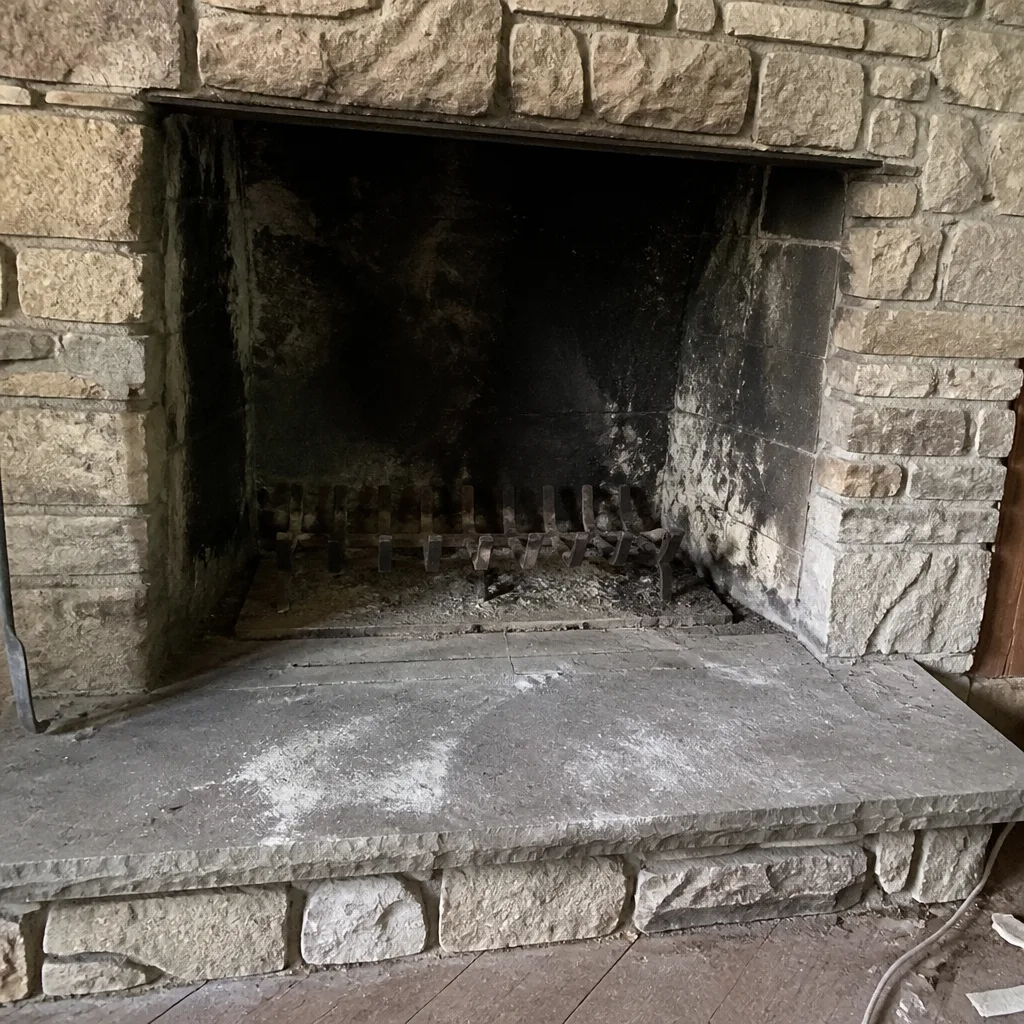 Before
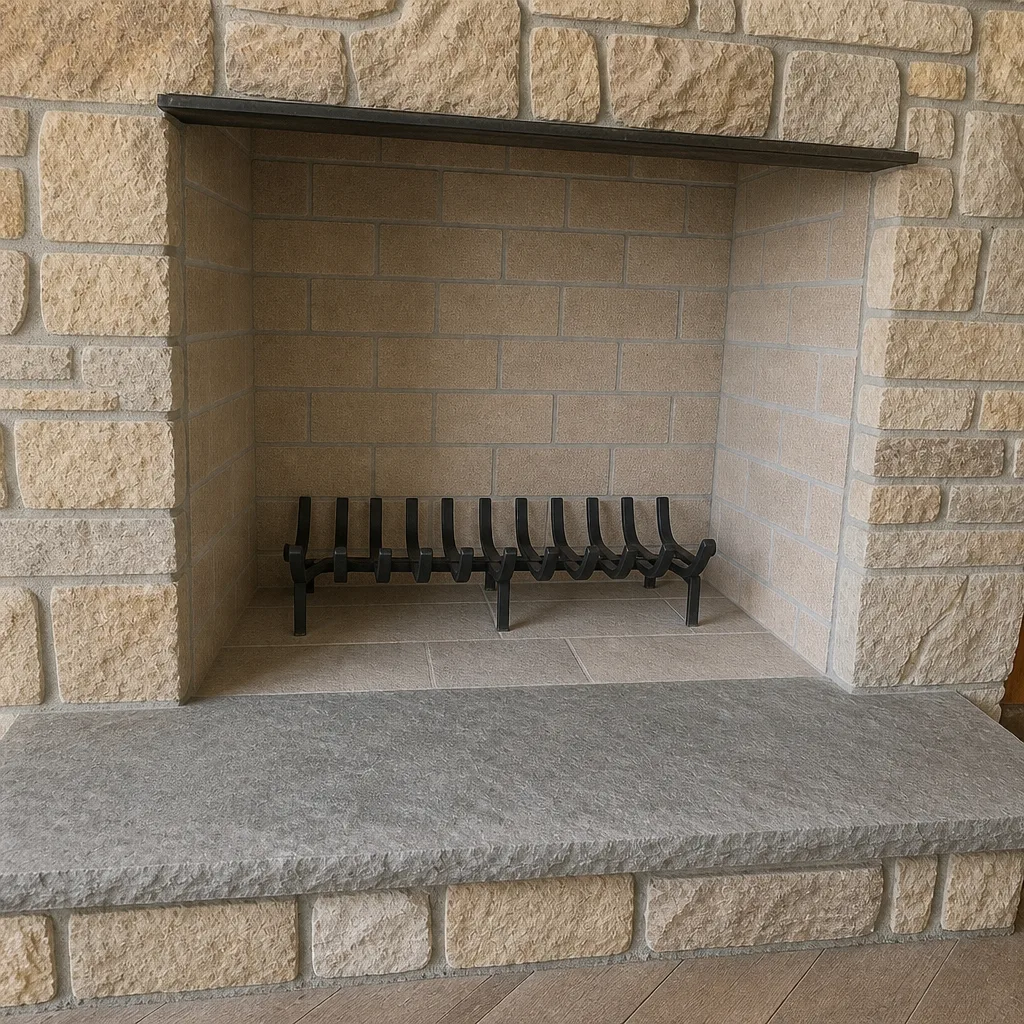 After
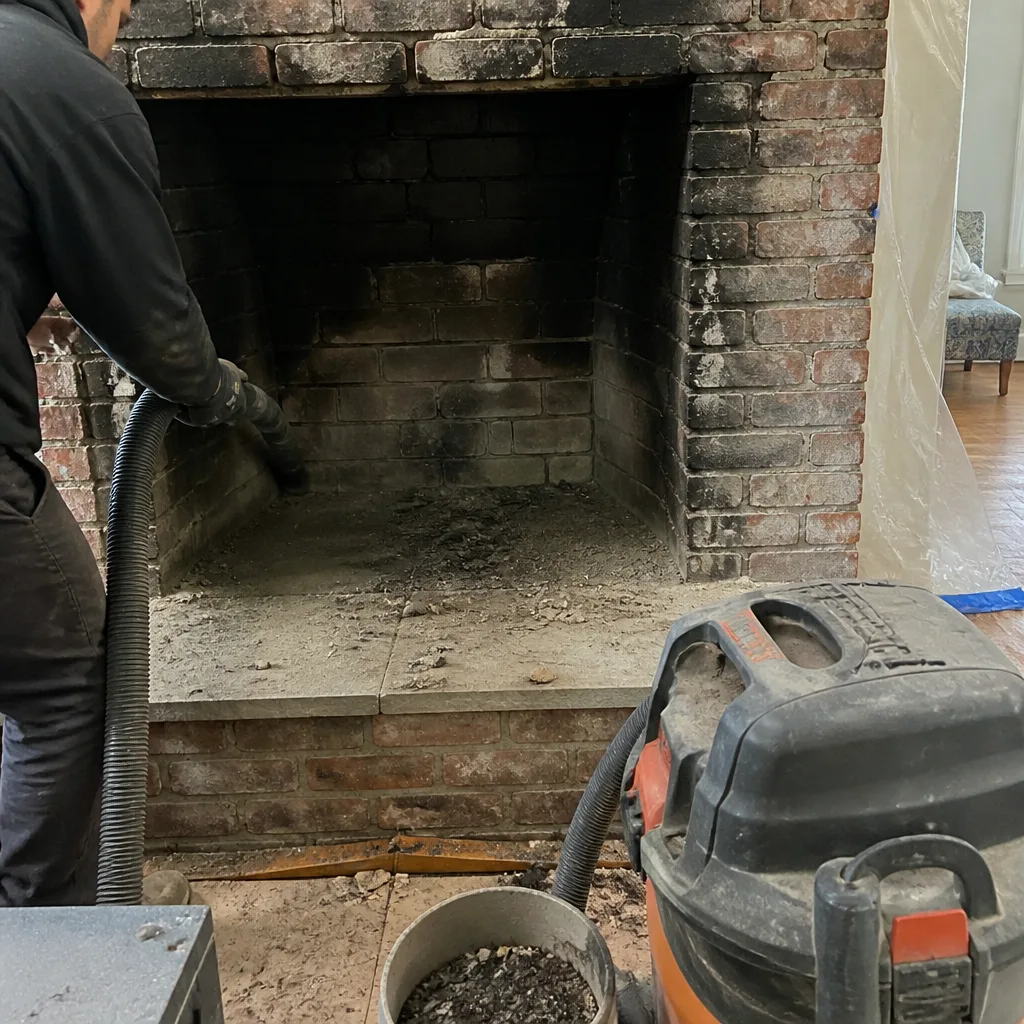 Before
 After
 Before
 After