
Last updated November 25, 2026
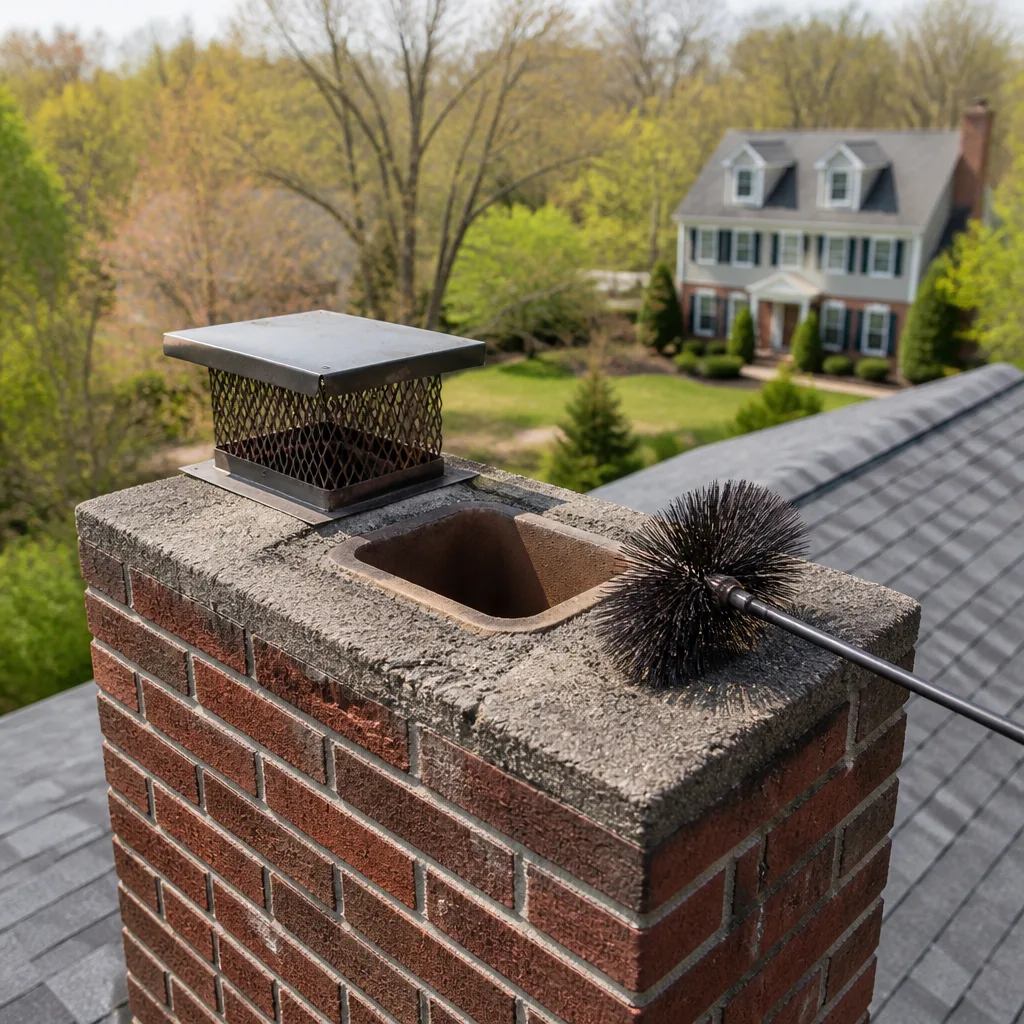 Sweep & inspection
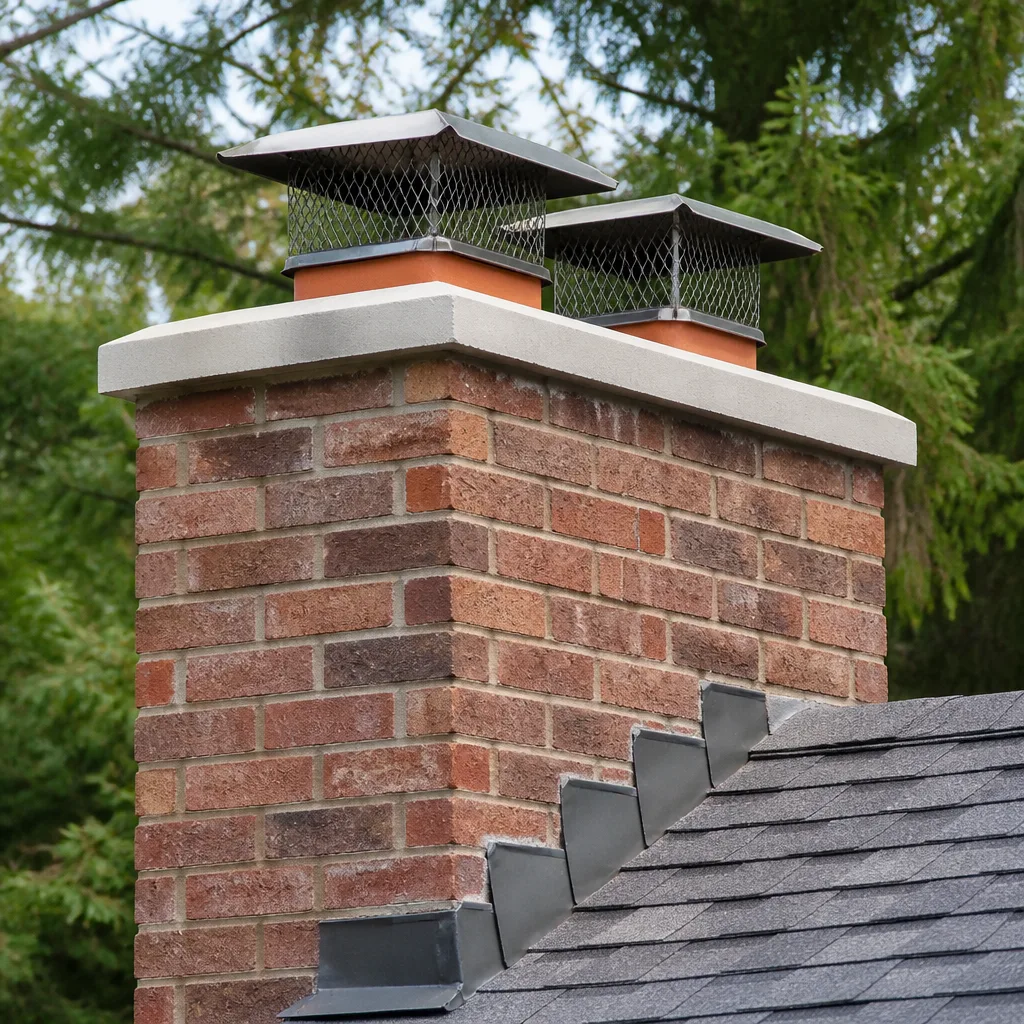 Caps & crowns
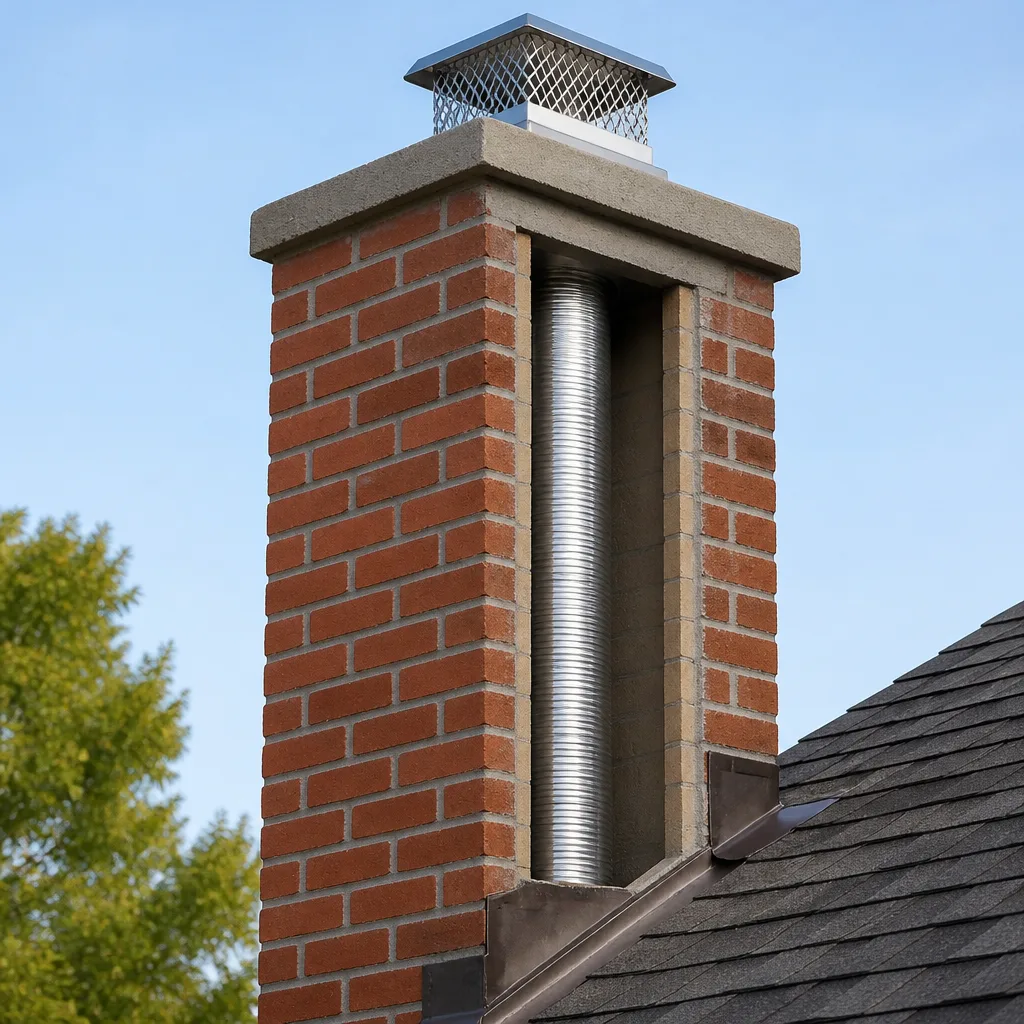 Flue relining
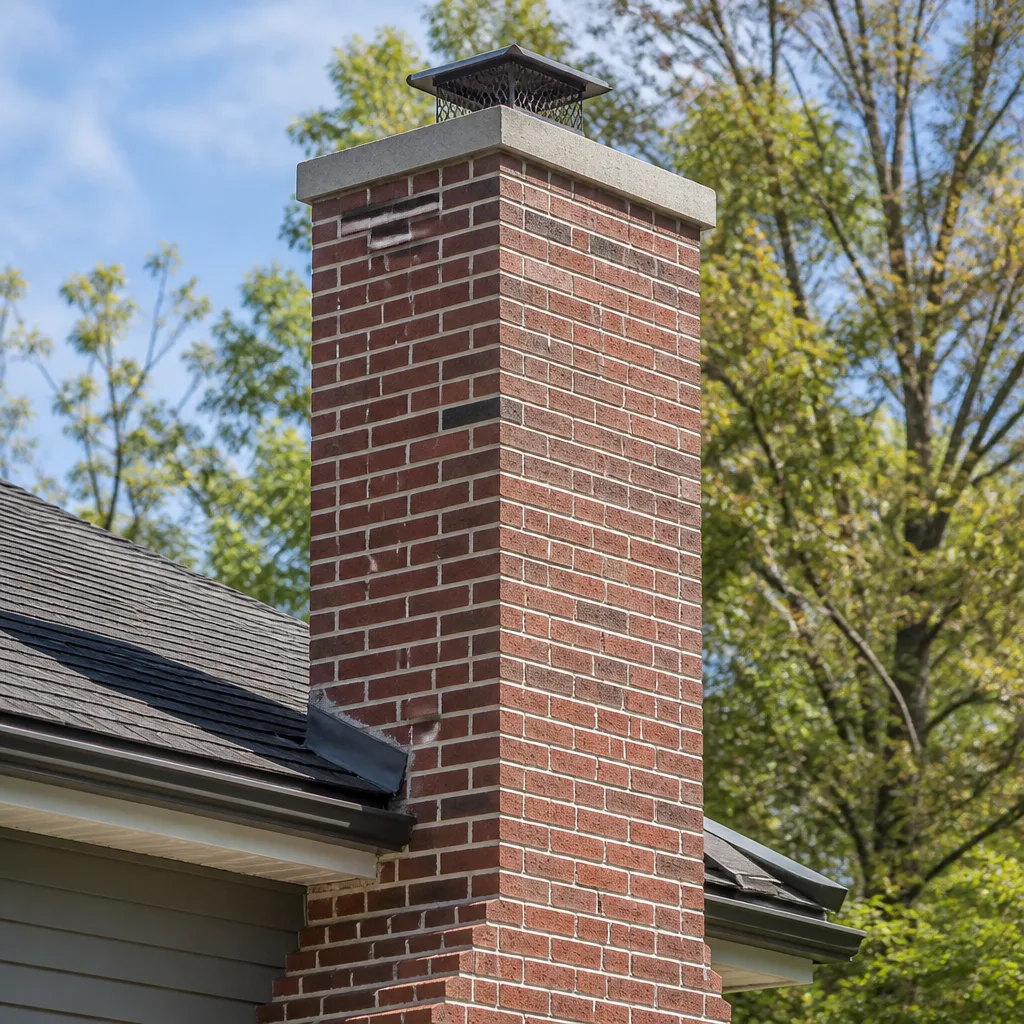 Masonry repair
 Gas fireplace service
Level 1 sweep and inspection to the NFPA 211 annual standard - flue, crown, cap, and flashing checked and photographed
Chimney sweep logs do not sweep chimneys. They loosen some creosote - which then falls where a brush and vacuum still have to collect it.
Chimney Cleaning Cost Breakdown: The Bedford Park Homeowner’s Reference for 2026
That $79 sweep coupon in the mail is real. It just doesn’t cover what you think it covers. It buys roughly twenty minutes of brushing the flue, and nothing else – no inspection, no vacuuming up the soot that settles on your hearth, and no answer for what happens when the brush runs into a cracked tile or a nest of creosote. “Chimney cleaning” is a phrase that means six different scopes of work, priced six different ways, and the gap between them is why quotes for the same Bedford Park chimney can land anywhere from under a hundred dollars to well into four figures. This guide breaks down what each service level actually costs in Bedford Park, what the price includes, and what quietly gets left out at the bottom of the market so you can read an estimate before you sign it.
Quick Answer
A standard chimney sweep for a typical Bedford Park home generally runs $180 to $350, while a Level 1 inspection sits around $100 to $200 on its own and a Level 2 camera inspection runs $250 to $500. The wide spread comes down to scope, not market chaos: a brush-and-go sweep, a documented safety inspection, smoke chamber resurfacing, a new cap, and liner repair are five different jobs with five different price ranges. The written estimate you receive after an inspection sets the final price for your specific chimney, and an estimate from us is free.
Styles & brands we work with
- Sweep & inspection
- Caps & crowns
- Flue relining
- Masonry repair
- Gas fireplace service
Table of Contents
- What the Six Levels of “Chimney Cleaning” Actually Cost
- Why the Price Changes With Fuel Type: Wood, Gas and Oil
- The Deferred Maintenance Multiplier: From a $250 Sweep to an $1,800 Liner Repair
- Professional-Grade Materials vs. Contractor-Grade Substitutes
- How to Read a Chimney Estimate Line by Line
- Bedford Park Seasons and the Best Time to Schedule
- Choosing a Sweep: What Separates Skill From a Brush
- Frequently Asked Questions
What the Six Levels of “Chimney Cleaning” Actually Cost
When someone in Bedford Park asks what chimney cleaning costs, the honest answer is: which of these six do you mean? Pricing structured this way is how you cut through quotes that aren’t comparing the same thing.
| Service | Typical Estimated Range | What It Covers |
|---|---|---|
| Level 1 inspection | $100 – $200 | Visual check of accessible parts – firebox, damper, flue from the top and bottom where reachable |
| Level 2 inspection | $250 – $500 | Everything in Level 1 plus a camera scan of the flue and any attic or crawlspace connection |
| Standard sweep | $180 – $350 | Brushing and vacuuming the flue and firebox of a wood-burning chimney in ordinary condition |
| Smoke chamber resurfacing | $450 – $900 | Repairing the sloped chamber above the damper with a heat-rated resurfacing material |
| Cap replacement | $200 – $450 | New cap and fitted rain cover installed over the flue, plus sealing at the top |
| Liner repair | $700 – $1,800+ | Resurfacing or relining a damaged flue; range depends on length and access |
Those are typical estimates for a Bedford Park home, not fixed prices. A single-story ranch with a straight flue is easier to work than a taller house with an offset, and a chimney that hasn’t been touched in years can push the sweep itself toward the top of its range. What matters for the reader comparing quotes is the shape of the list, not the exact numbers. A $79 coupon doesn’t sit at the low end of the standard sweep row. It sits outside the table entirely, covering part of one line item.
In our experience the biggest source of confusion is a homeowner being quoted one price on the phone and seeing something different on the invoice. That happens when the phone quote assumes a sweep and the job turns out to need a Level 2 inspection before anyone can tell you whether it’s safe. Ask up front which service is being priced. If the answer is vague, that’s the only signal you need. When inspection is done as a standalone step – not bolted on afterward as a sales funnel – you get a clear document showing what’s there. Call (866) 937-7520 if you’d like your estimate built line by line.
Why the Price Changes With Fuel Type: Wood, Gas and Oil
Fuel type changes both what gets cleaned out and how it’s done. A gas fireplace that produces almost no soot is a very different job from an oil flue with a hard, acidic residue baked onto the walls.
Wood. A wood-burning chimney gathers creosote, and how much depends on how hot your fires burn and how dry the wood is. Dry, well-seasoned wood leaves less. Household wood from a pile that’s been wet leaves a lot. A standard wood sweep means brushing the flue, vacuuming the firebox, and pulling out any animal nesting or leafy debris that came down the top. This is the workload most Bedford Park homeowners picture when they ask about cleaning.
Gas. A gas fireplace or insert burns clean, so sweeping is usually lighter and the price often lands at the low end. The real point of a gas appointment is the flue path itself: gas appliances need a clear vent, and the inspection verifies the venting and the termination at the top. It’s less about brushing and more about confirming the vent system is doing its job.
Oil. An oil flue collects sulfur residue that becomes acidic when it combines with moisture. Over time that acid grinds away at the liner, so an oil-burning chimney needs more than a brush and a vacuum. Expect the appointment to run longer and expect a careful inspection of the liner’s condition within the estimate. This is where the line between a cleaning and a chimney repair discussion starts, and it’s worth hearing it plainly rather than being surprised later.
When you call for an estimate, tell us which fuel you burn. It changes both the price and the time we allow. We answer 24/7, and fast dispatch from 7am to 7pm means we can talk it through when you’re actually thinking about it.
The Deferred Maintenance Multiplier: From a $250 Sweep to an $1,800 Liner Repair
One skipped sweep doesn’t cost you $300. It can cost several thousand dollars, and the mechanism is easy to explain. Creosote builds in layers. Thin, dry, flaky creosote brushes off easily. Left long enough, it goes through two harder stages – a sticky, tar-like layer, and eventually a glazed, glassy shell that’s stubborn to remove at all. The longer it sits, the more time and tooling a sweep needs, and the more likely the residue has already begun eating into the flue’s inner surface.
Add moisture. Bedford Park sees real freeze-and-thaw swings across winter. If the crown at the top of the chimney has a crack, meltwater gets in, freezes, expands, and opens the crack a bit wider each cycle. That same water takes the acid from oil or wood residue deeper into the liner. Repeated cycles can crack a terracotta flue tile or corrode a metal liner. What started as a holdover task on the spring list becomes a liner repair.
- Year one, skipped. Creosote builds. Nothing visibly wrong. A $250 sweep would have cleared it.
- Year two or three, skipped. Creosote glazes. Water gets into a small crown or cap issue. The flue surface starts failing.
- The moment it’s noticed. Smoke backs into the room, or a morning smell turns sour, or a flue fire alerts the household to the problem.
- The bill. A standard sweep is off the table. Now it’s liner repair at $700 to $1,800 or more, plus a cap replacement and possibly crown work.
The multiplier runs the other way too. Doing the routine sweep and a small cap or crown fix while the chimney is sound is the cheapest item on the whole list. That’s the case for treating chimney cleaning as maintenance, not as a one-time repair. Catching a crown crack early is a small job; letting it grow is a chimney cap & crown replacement plus liner work. Call (866) 937-7520 if it’s been more than a season since your last appointment, and we’ll tell you honestly what the chimney needs and what can safely wait.
Professional-Grade Materials vs. Contractor-Grade Substitutes
Two quotes for the same liner job can differ by several hundred dollars because one uses a proper resurfacing system and the other uses a much cheaper patch material. The material is the job. Cheap material buys you a few years; the right product, installed to spec, is meant to last the life of the flue.
Where the difference shows up most is liner repair. A common shortcut is to patch a cracked flue with a general-purpose cement that looks neat on the day and fails at the first season of heat and moisture cycling. A system built specifically for flue restoration, like HeatShield, is designed for structural resurfacing from the inside out. It doesn’t just fill a gap – it rebuilds the flue’s inner surface to a smooth, sealed finish. That’s a different material category, and the price reflects it.
The same logic applies at the top of the chimney. A generic hardware-store cap might look fine for a season or two, and then it rusts through or the screen tears and lets birds and squirrels into the flue. We install caps built specifically for weatherproofing applications, including Gelco and Famco, sized to the flue they cover. These products cost more than substitutes up front. They cost far less than repairing the interior damage a failed cap lets in over several winters.
On full relining, the material choice shapes everything long-term. A liner needs to stand up to heat, chemical residue, and decades of use. The professional-grade options we work with, like HeatShield resurfacing and Olympia Chimney components for other applications, are chosen because the product matches the problem in front of us. That’s not marketing language; it’s the reason the estimate for a given job is what it is. If a cheaper bid is hundreds of dollars lower for the same described work, ask what material is going in. A responsible company will answer without hesitation.
How to Read a Chimney Estimate Line by Line
The fastest way to spot a low-ball quote is to read the list of what’s included. If it doesn’t name the inspection, the vacuuming, and the disposal of soot and debris, those things aren’t in the price. A trustworthy estimate is legible by design.
- Which level of inspection is listed? A sweep estimate should say whether a Level 1 or Level 2 inspection is included, or whether it’s separate. If it’s absent, the visual check may or may not have been folded in – and you won’t know until you ask.
- Is the flue being brushed or just vacuumed? A proper sweep brushes the flue walls and vacuums the resulting soot. A vacuum alone does not remove creosote.
- Is the debris removal line item present? Soot, ash, and nesting material have to go somewhere. If removal isn’t in the line items, expect a separate charge.
- Are findings documented? A professional estimate describes what was found in plain terms – crown crack, cap damage, flue condition – so you can verify it. A quote that only says “chimney work needed: $X” gives you nothing to check.
- What material is specified for any repair? Liner work should name the material type. A generic line for “patch flue” doesn’t commit to a proper product.
- Is anything being pushed before the inspection is done? A price for liner replacement given before anyone has seen the inside of the flue is a price you should take with caution.
Since the actual work is what you’re paying for, it’s worth knowing exactly what a chimney sweep appointment involves beyond brushing. A clean flue, a sound crown, and a proper cap are the three things that make a chimney ready for the season. If an estimate ticks those boxes and explains why each step matters, you can sign it with confidence. If it’s a coupon and a promise, call (866) 937-7520 for a free estimate you can read.
Bedford Park Seasons and the Best Time to Schedule
The best time to schedule a chimney cleaning in Bedford Park is the shoulder season – late summer or early fall, before the heating season puts real demand on the calendar. Booking ahead also gives you time to complete a repair before the first cold stretch, rather than deciding whether to burn with a known problem.
Why the fall shoulder is the obvious window
By late August your fireplace has been quiet for months and there’s no fire to miss while work is scheduled. If the inspection turns up a crown crack or a liner issue, there’s still room in the calendar to fix it. Try to book after the first cold snap and everyone else has realized the same thing at once.
Why spring is underrated
The other good window is spring, right after the last fire. A chimney that burned all winter holds fresh creosote, and clearing it before the humid months limits how much corrosive residue sits in the flue through summer. Spring also catches winter damage – a cracked crown, a lifted cap – while the repair can be finished without urgency.
What Bedford Park winters do to a chimney
Freeze-and-thaw cycles are the big local factor. Water is the most common culprit in chimney damage, and it has two entrances: the crown at the top and the cap. A hairline crack in the mortar crown takes in rainwater, which freezes overnight and pries itself wider by morning. Over a winter, a small crack becomes a real one. That’s why cap and crown work is preventive, not cosmetic, and why an inspection done before winter saves money compared with an inspection done in February with a problem already active.
When you’re ready, call (866) 937-7520. We answer 24/7, with fast dispatch from 7am to 7pm. A call outside dispatch hours is booked into the next opening.
Choosing a Sweep: What Separates Skill From a Brush
A chimney sweep is not just a person with a brush and a long memory of the trade. The right company brings the right materials, a documented inspection, and the range of services to handle whatever the inspection surfaces. A generalist who owns a brush and answers the phone for everything from sinks to gutters can’t do structural liner work properly, and often won’t have proper trade tools.
Here’s how to sort through that difference:
- Ask what inspection they perform and whether it’s written up. A standalone inspection is the marker of a safety-first operation. A sweep that treats inspection as an upsell after a cleaning is not that.
- Ask what brand of liner material they’d use. If they’re vague about the material, they’re probably not sure. Professional-grade products are a normal part of the conversation.
- Ask whether they handle the full system: sweep, cap, crown, repair, fireplace repair and inspection. A company that can handle the whole combustion system means one relationship and no hand-offs. When a crown is found to be cracked during a sweep, it’s fixed by the same company that found it.
- Ask for a written estimate with line items. This is how you compare quotes fairly.
- Ask about materials at the cap. The cap brand matters for the same reason as the liner brand.
Our technicians have up to 11 years of experience, and the work we do covers chimney sweeping, cap and crown installation, chimney repair, fireplace repair and inspection – all under one roof, with DuraFlex liners, HeatShield resurfacing, Gelco and Famco caps and covers among the products we use. That range is what lets a Bedford Park homeowner make one phone call for the full lifecycle of the chimney. Chimney Sweep Bedford Park is the contact point if you’d rather compare a written estimate against what you’ve got. If a company can’t answer these questions plainly, keep looking.
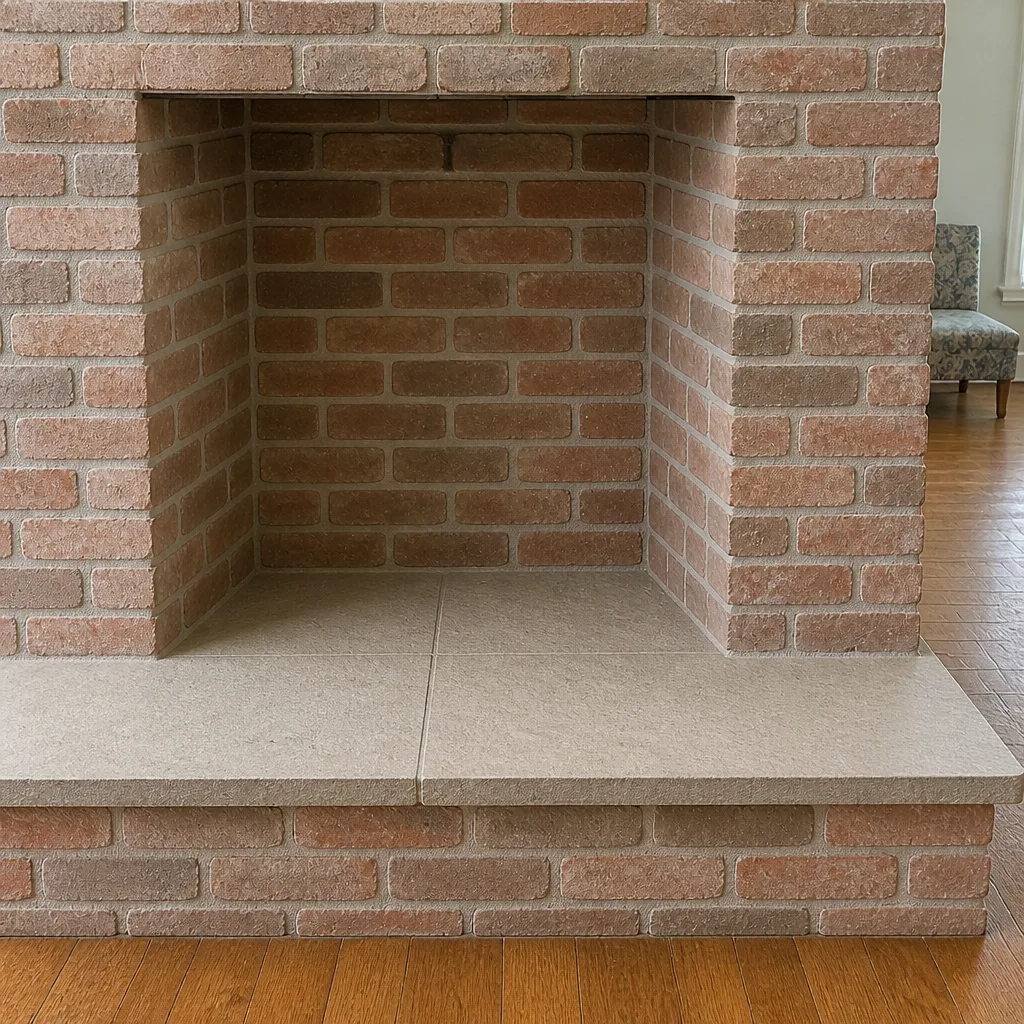
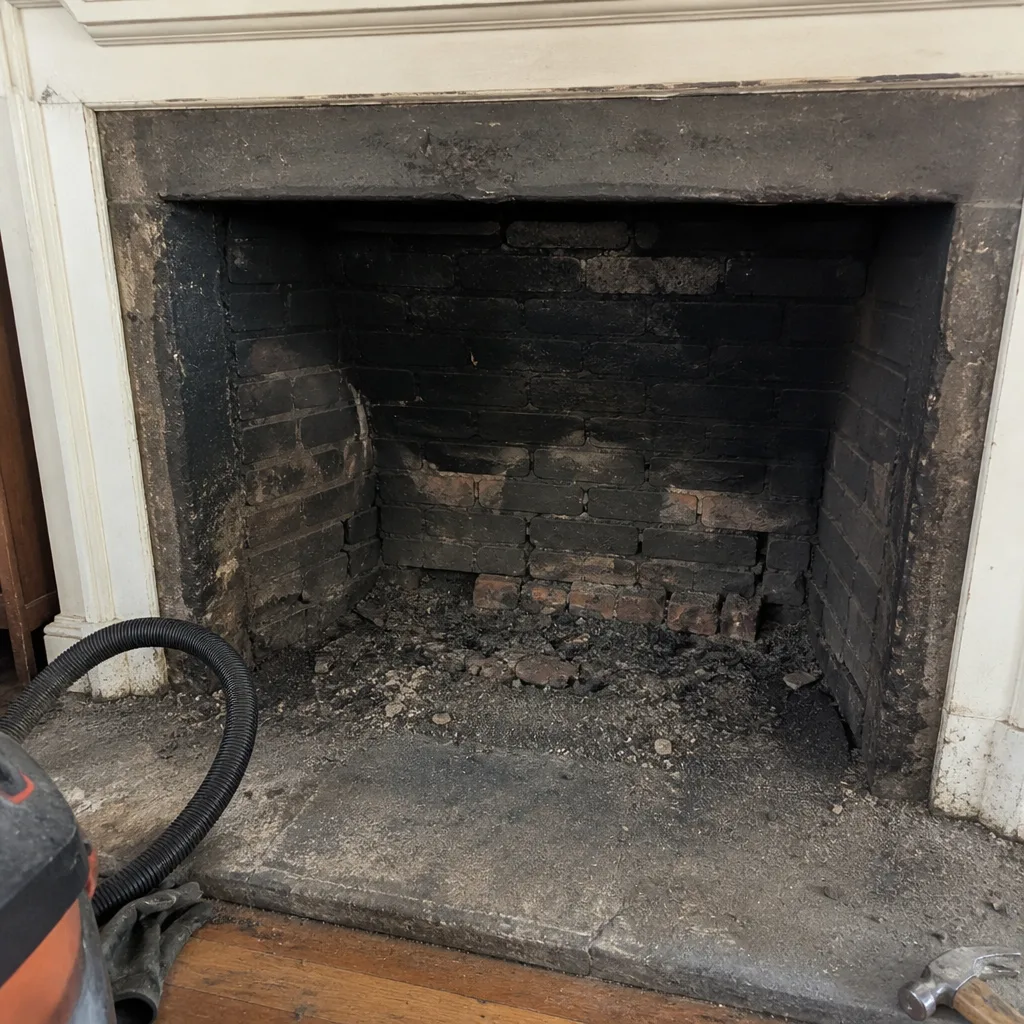
See the difference
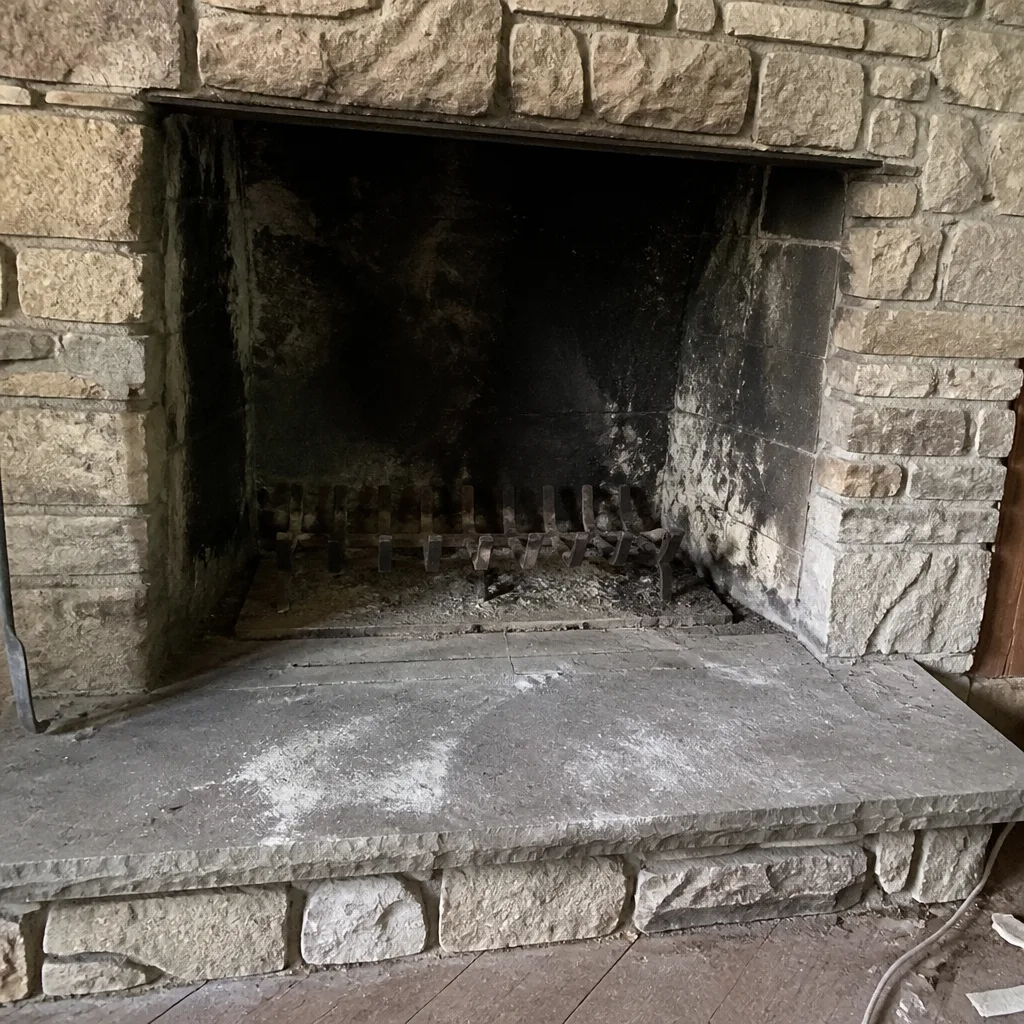 Before
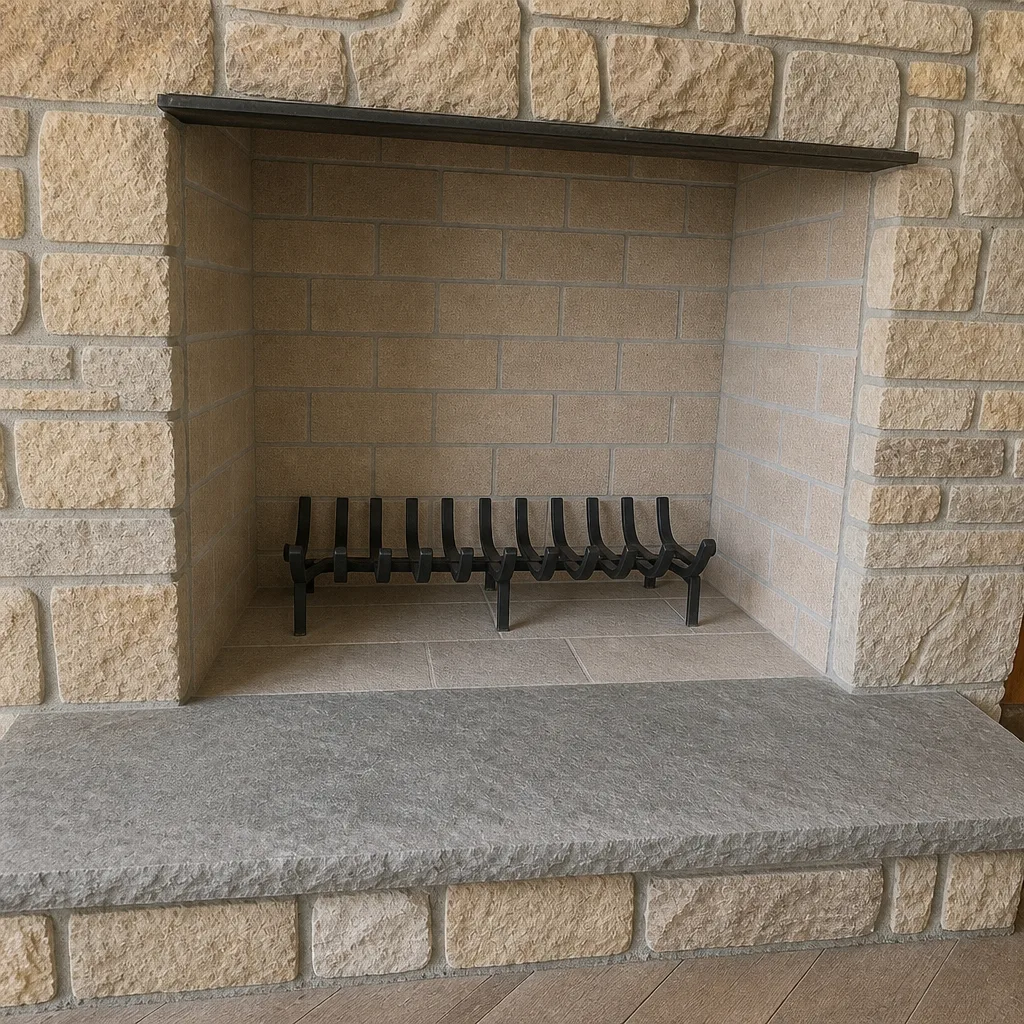 After
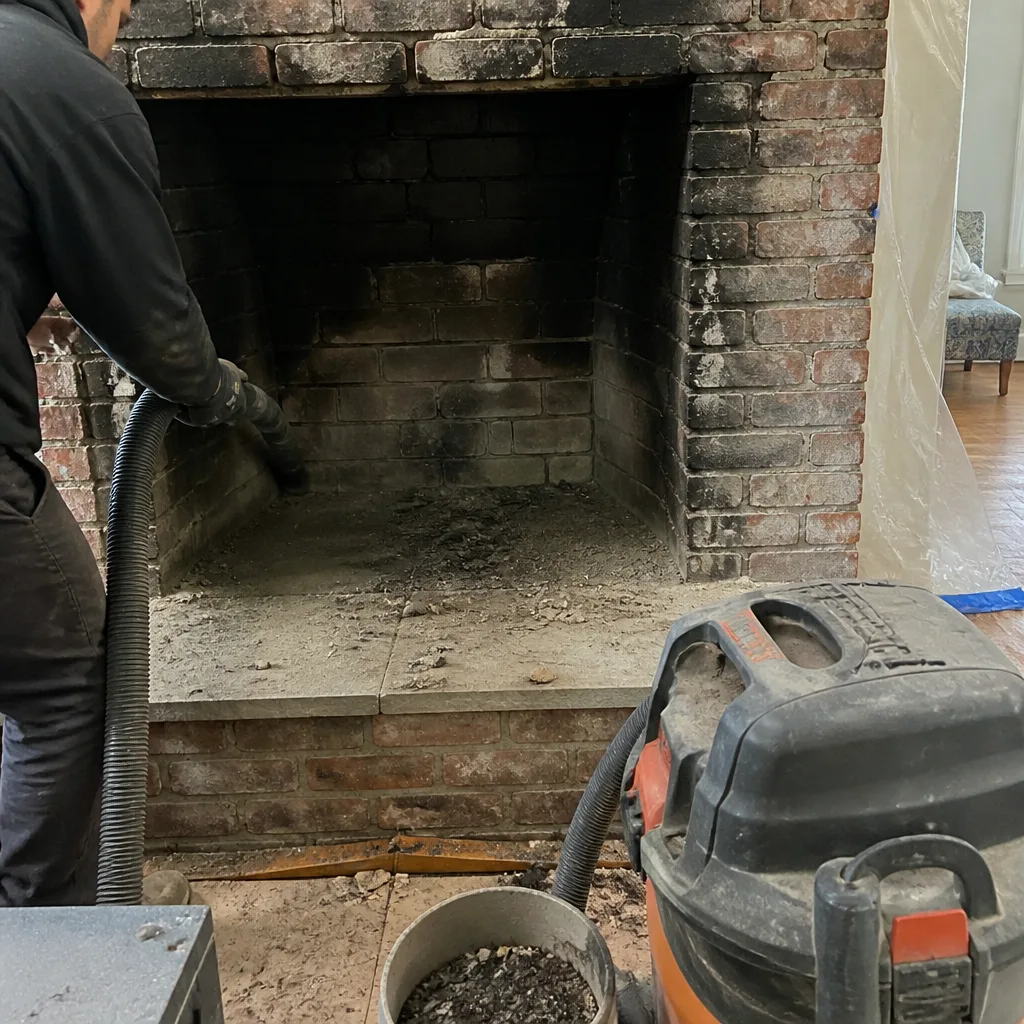 Before
 After
 Before
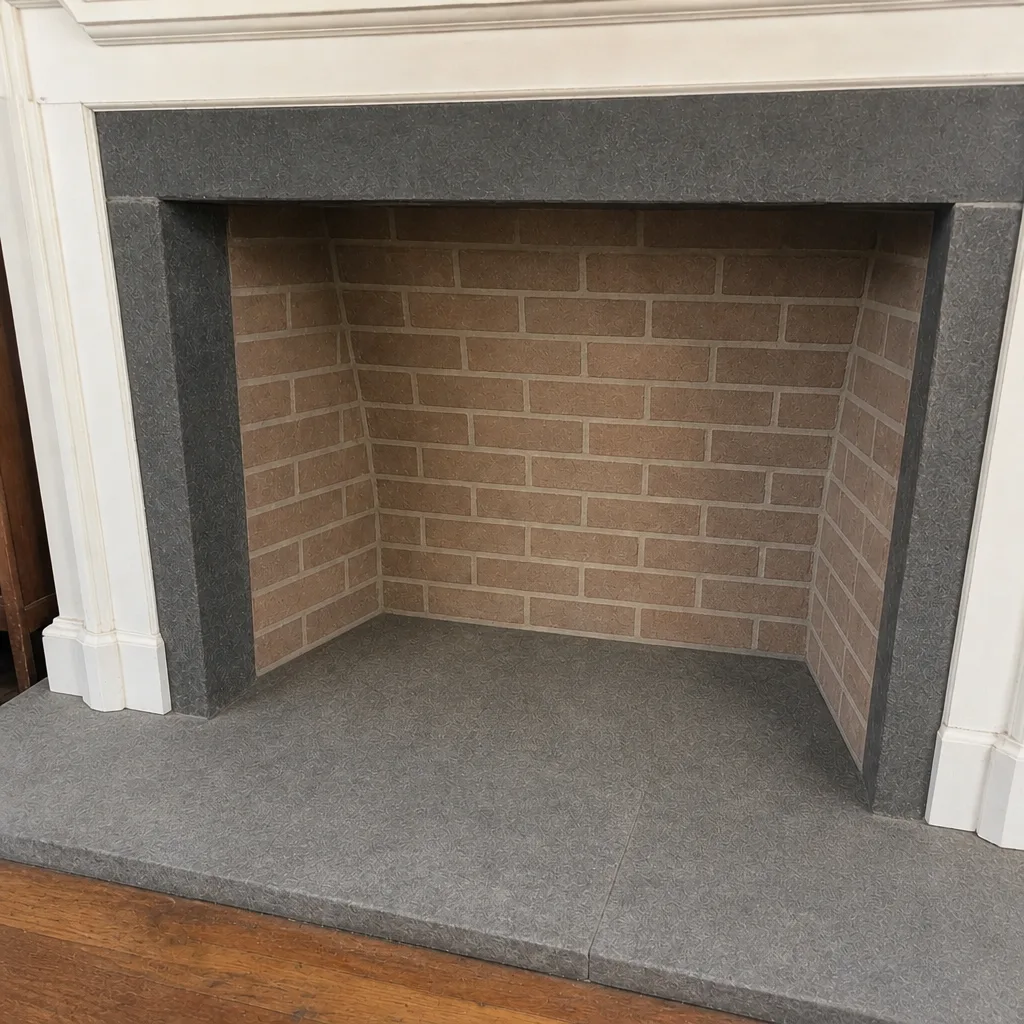 After
Common Mistakes to Avoid
- Treating a coupon sweep as comparable to a full sweep. They aren’t the same product. The brushed flue and the vacuumed firebox are two separate line items, and a coupon typically covers only part of the first. Confirm what’s included before you book, not after.
- Assuming the swept flue is the inspected flue. Getting the soot out doesn’t tell you whether the liner is cracked, the crown is sound, or the cap is doing its job. An inspection answers those questions; a sweep doesn’t.
- Skipping a season because “it looked fine last time.” A slow change – glazing, a hairline crown crack, a settling cap – is easy to miss without a seasonal look. Annual visits catch those before they compound.
- Choosing a quote by its lowest number alone. The cheapest sweep in Bedford Park can end up the most expensive service if it misses a cavity behind a smoke shelf or a failing tile. Compare what’s in the estimate, not just the total.
- Ignoring a chimney that “came with the house” and hasn’t been checked since. A pre-owned home’s flue may have been sealed, damaged, or last swept years ago. Getting a first visit on record is the way to begin.
- Putting off a crown or cap repair to next year. Small mortar and cap issues are cheap to fix and expensive to postpone. Water does the work while you wait.
- Not asking which system or brand goes in the flue. A repair is only as good as the material. Asking the question is fair and any worthwhile company will answer it clearly.
When to Call a Professional
Call a professional for any of the following:
- There’s a strong smoky smell in the room even when there’s no fire.
- Smoke backs into the room when you light a fire, or the draft feels weak.
- You can see creosote buildup, cracking in the flue, or rust on a liner or damper.
- A cap is missing, bent, or the screen is torn.
- Any water stain appears on the chimney or ceiling.
- You’ve just moved into a Bedford Park home and don’t know when the chimney was last swept.
- You’re switching fuel type – for example, adding a wood insert to a gas flue.
- There’s been a chimney fire, even a brief one, or anything that sounded like one.
Chimney Sweep Bedford Park offers free estimates in Bedford Park – call (866) 937-7520. We answer 24/7, with fast dispatch from 7am to 7pm, Sunday through Friday. Nothing is recommended without inspection evidence you can see for yourself, and if something can safely wait a season, we’ll tell you that too.
Frequently Asked Questions
A standard chimney sweep in Bedford Park typically runs $180 to $350, and a standalone Level 1 inspection is about $100 to $200. The written estimate sets the final price for your specific chimney, and estimates from us are free. Call (866) 937-7520 for an exact quote.
Only if inspection shows the existing liner has failed – a crack, a gap, or corrosion that lets heat and combustion gases into the chimney structure. Nothing gets recommended without camera evidence you can review yourself. If your liner is sound, we’ll tell you so. Call (866) 937-7520 to arrange the inspection first.
Most wood-burning chimneys need a sweep once a year, and the same rhythm applies to a visual inspection. A gas appliance can go longer between sweeps but still benefits from an annual vent check. If you’ve just moved into a Bedford Park home and don’t know the history, book a first visit and start the record from there. Call (866) 937-7520 to get on the calendar.
Creosote deepens in layers until it glazes on the flue wall, moisture finds any crack in the crown and works it wider through freeze-and-thaw, and a routine sweep turns into a liner repair. This is the deferred maintenance multiplier: a missed season is often a repair, not a skipped chore. Call (866) 937-7520 before the problem compounds.
It’s the right call when you’re buying a home, changing the fuel type, or when a Level 1 inspection turns up something that needs a closer look. A camera scan runs $250 to $500 and gives you a full view of the flue. If your chimney is straightforward and you’ve had annual inspections, a Level 1 can be enough. Call (866) 937-7520 and we’ll help you decide which suits your situation.
We work with Bedford Park homeowners across the neighborhood and the surrounding area. When you call, tell us your fuel type and the last time the chimney was inspected – that helps us build an accurate estimate. Call (866) 937-7520. We answer 24/7, with fast dispatch from 7am to 7pm.
The Bottom Line
Chimney cleaning cost in Bedford Park spans a wide range because it’s six services, not one. The low number buys brushing. The higher number buys the inspection, the vacuuming, the documentation, and the material quality that keeps a flue sound for the long haul. The sound move is to know which service you’re being priced and to read the estimate line by line before you commit. If inspection findings don’t match a written record you can see, ask why. If a repair can safely wait a season, that should be said out loud. A clean flue, a sound crown and a proper cap are what a chimney really needs, and the cheapest path to all three is starting with a real inspection rather than a coupon.
Written by the team at Chimney Sweep Bedford Park.