
Last updated November 25, 2026
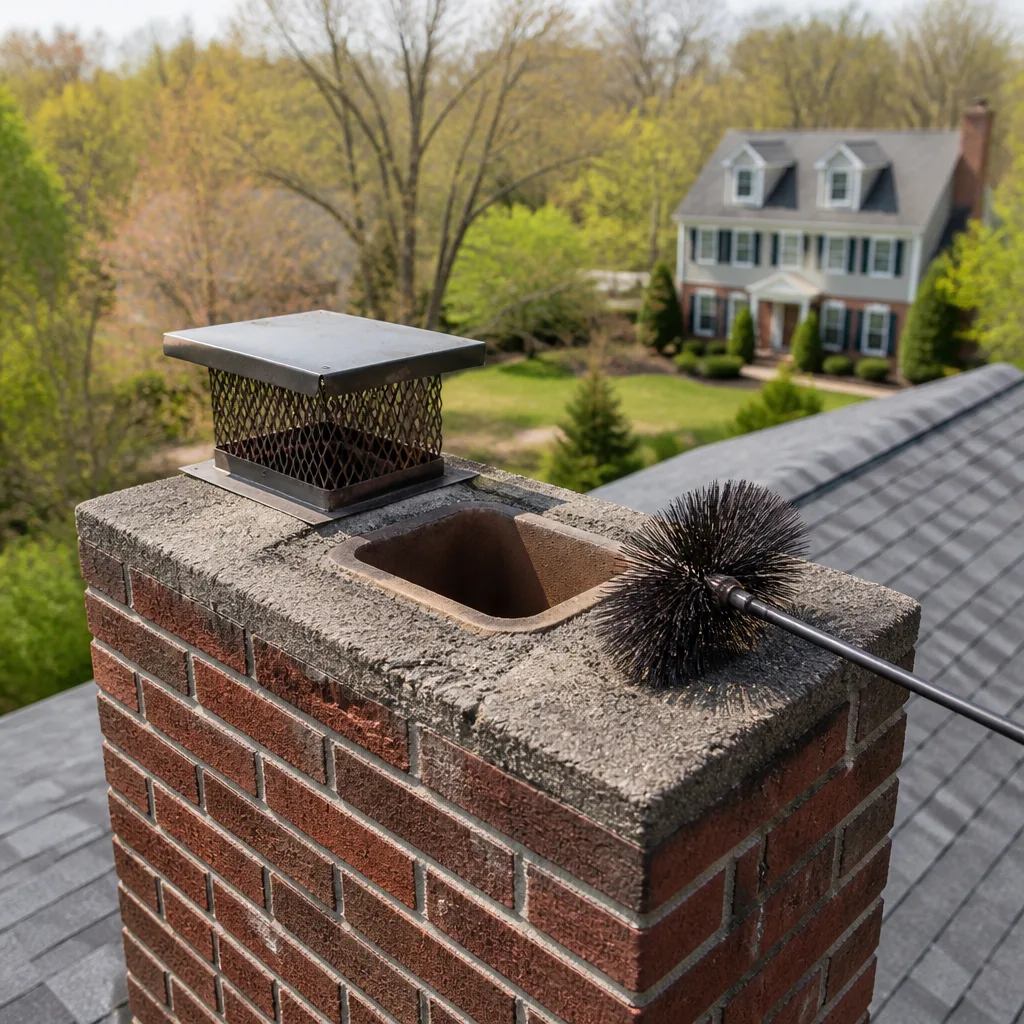 Sweep & inspection
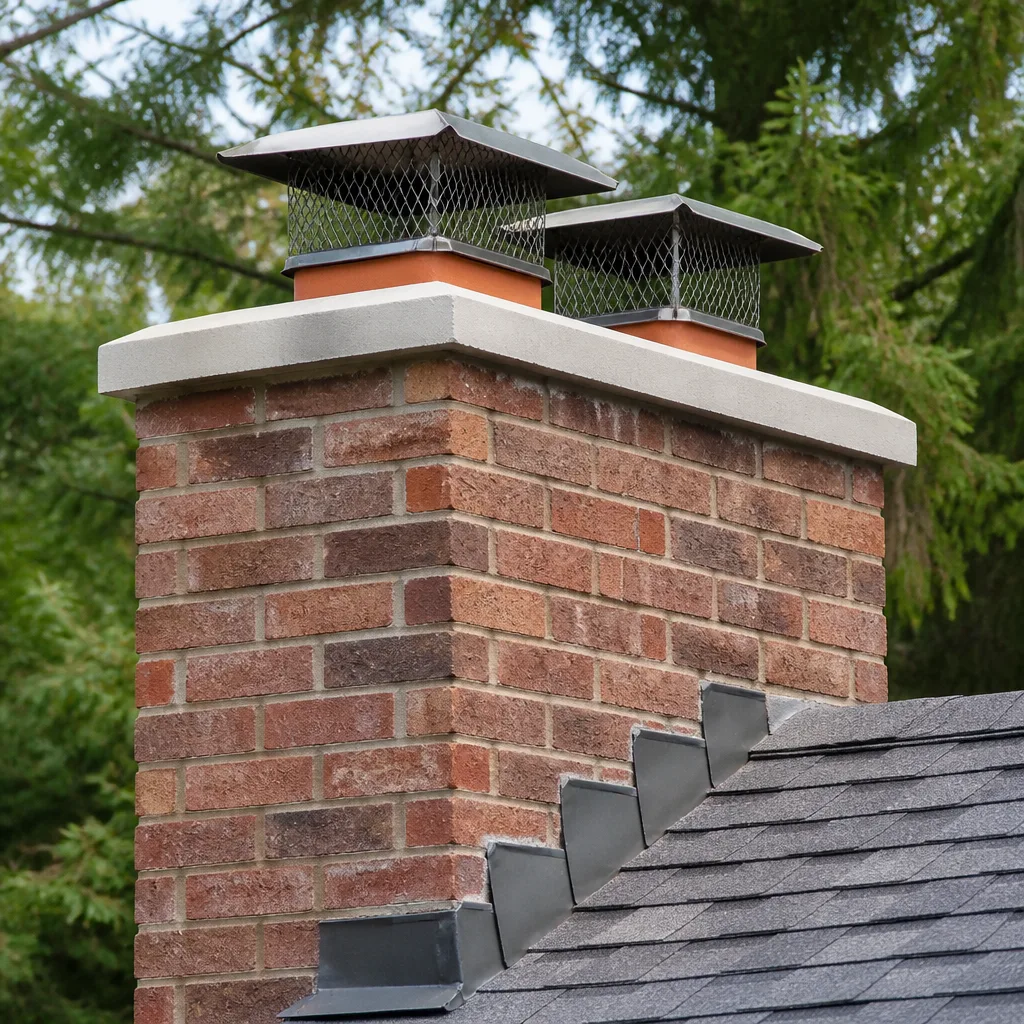 Caps & crowns
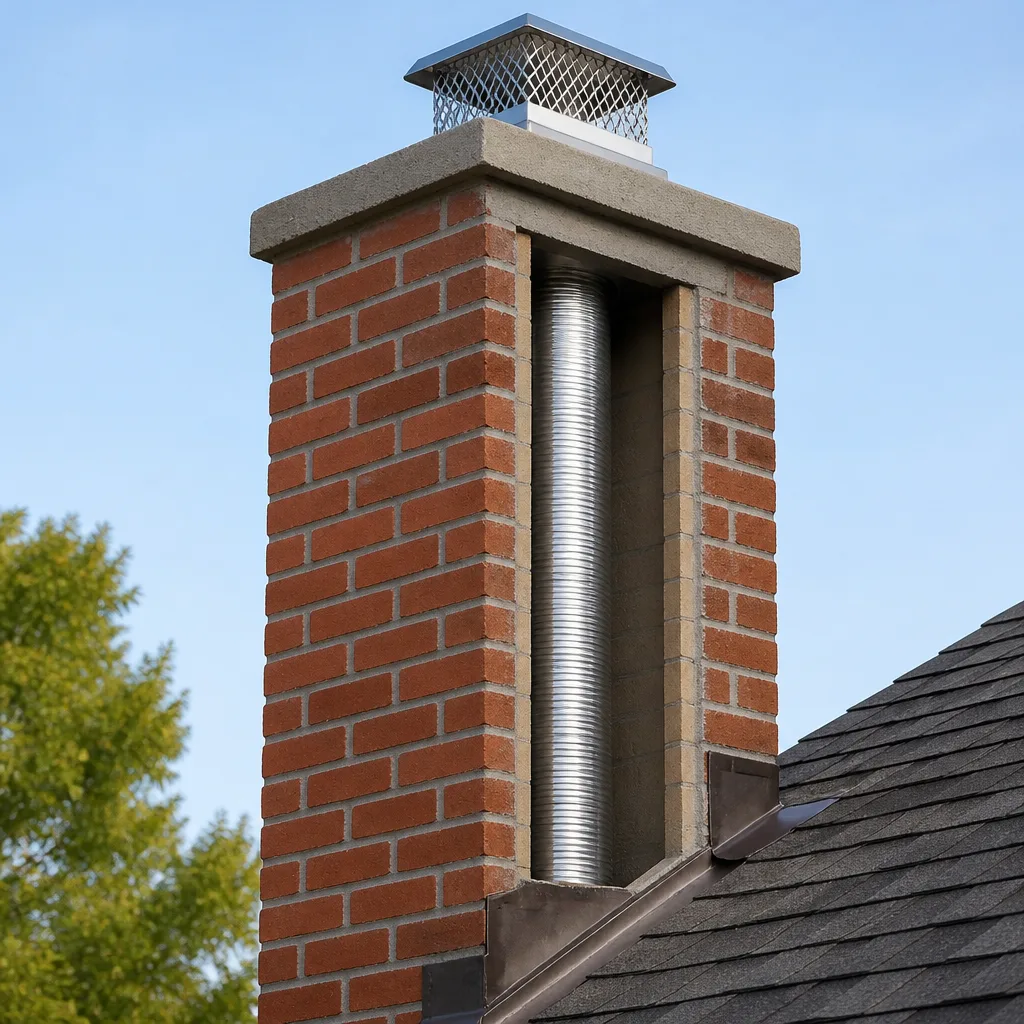 Flue relining
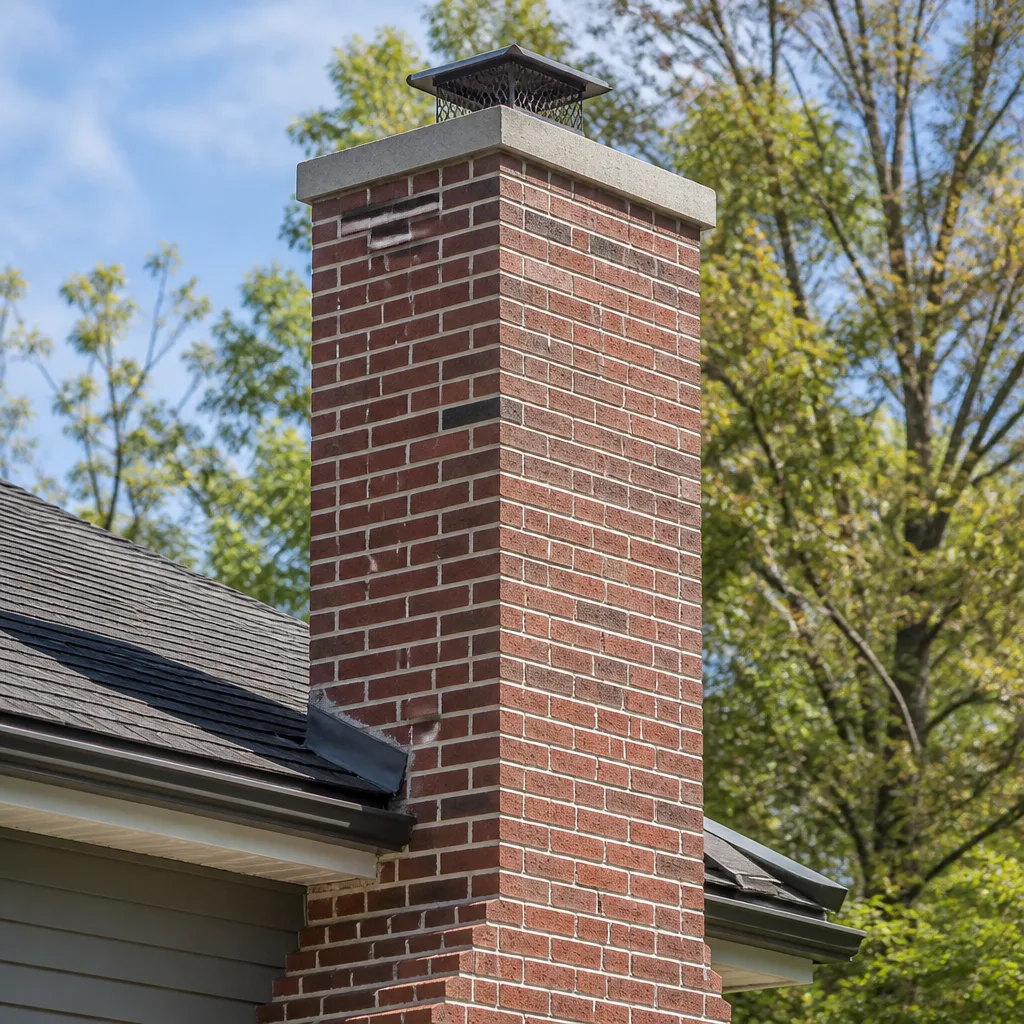 Masonry repair
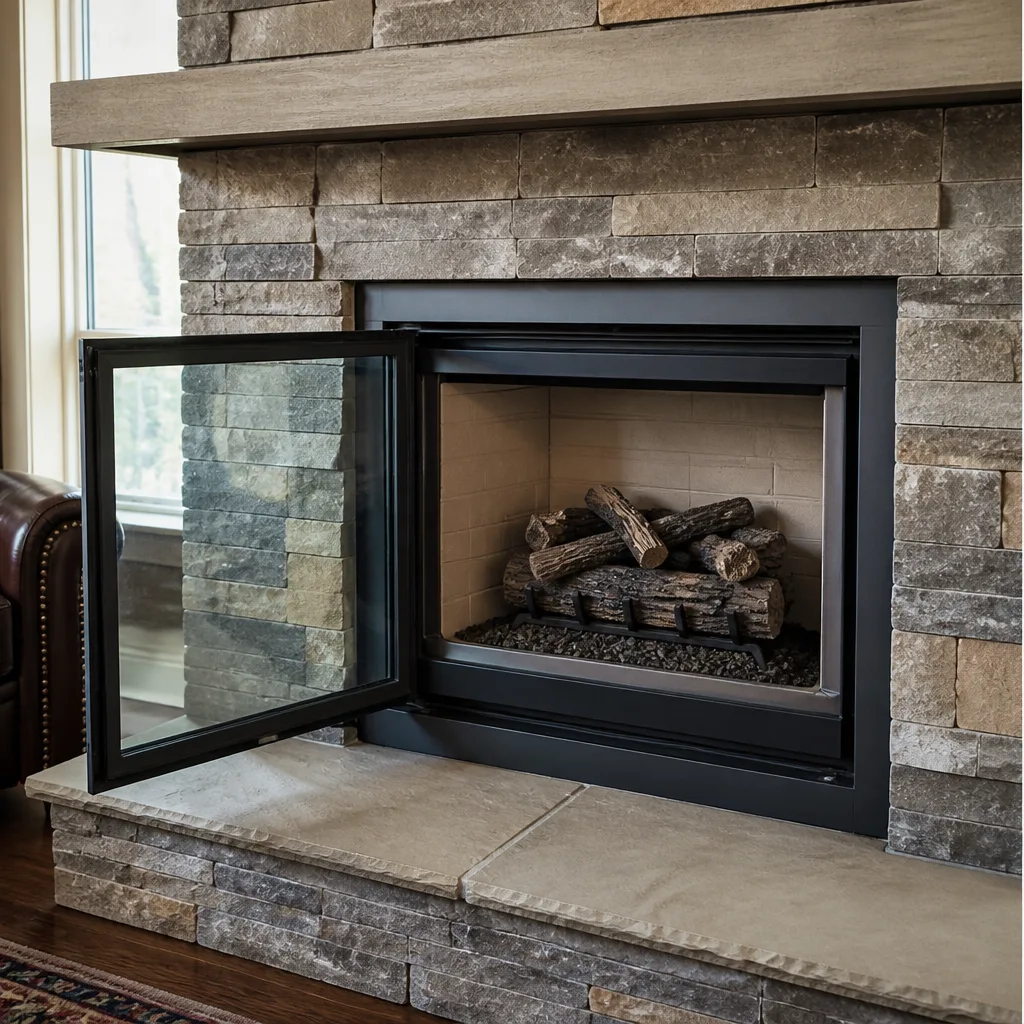 Gas fireplace service
Level 1 sweep and inspection to the NFPA 211 annual standard - flue, crown, cap, and flashing checked and photographed
Chimney sweep logs do not sweep chimneys. They loosen some creosote - which then falls where a brush and vacuum still have to collect it.
Seasonal Chimney Cleaning Care for Bedford Park: Year-Round Homeowner’s Guide
Scheduling your chimney sweep for November, right before you need the fireplace, is the single most common timing mistake Bedford Park homeowners make. It feels sensible, and it leaves zero margin for the problems a sweep tends to turn up: a cracked crown, a liner that needs resurfacing, a cap that blew loose in March. A chimney doesn’t have one season of care. It has four, and what your flue needs in early spring after a hard winter is a different job from what it needs in September before the first fire. This guide maps the full year for Bedford Park homes, from post-heating-season inspection priorities to summer wildlife rules to the draft changes that signal a mid-winter problem. By the end you’ll know what to check, when to book, and why timing matters as much as the work itself.
Quick Answer
Year-round chimney care in Bedford Park means matching each task to the season: inspect and repair in spring once heating ends, work around protected chimney swifts in summer, sweep and prep in September (not November) so repairs have lead time before cold sets in, and monitor draft, odor and smoke during the active winter. The single highest-value change most homeowners can make is moving the annual sweep earlier in the fall, which turns a rushed cleaning into a scheduled inspection with room to fix what it finds.
Styles & brands we work with
- Sweep & inspection
- Caps & crowns
- Flue relining
- Masonry repair
- Gas fireplace service
Table of Contents
- Why Seasonal Care Beats an Annual Sweep
- Spring: Post-Heating-Season Inspection and Freeze-Thaw Damage
- Summer: Chimney Swifts and What Work Can Legally Happen
- Fall: The Case for a September Sweep Over a November One
- Winter: Safe-Use Monitoring During Heating Season
- How Bedford Park’s Sound Proximity Affects Moisture
- A Year at a Glance: The Bedford Park Chimney Calendar
- Inspections, Sweeps and the Materials That Matter
Why Seasonal Care Beats an Annual Sweep
A chimney is a system exposed to weather on the outside and fire on the inside, and those two stressors don’t peak at the same time. That’s the whole reason seasonal care makes sense. An annual sweep in November addresses creosote, and creosote is real, but by November the masonry has already been through a full winter of wet-and-freeze cycles, summer has passed without anyone looking at the cap, and any repair a sweep would flag now has to be squeezed in before the holidays. Chimney Sweep Bedford Park treats the sweep, the inspection, the cap and crown work and the repairs as parts of one relationship precisely because the calendar makes them interdependent.
Here’s the framework we use, and you can apply it yourself:
- Spring is for looking, assessing and repairing, while the heating season is behind you and there’s no urgency distorting the decision.
- Summer is for the work that’s safe and legal to do, with a species-protection wrinkle unique to this part of New York.
- Fall is for cleaning and final prep, booked early enough to leave lead time.
- Winter is for monitoring, not maintenance, because the fire is running and you want to know the difference between normal behavior and a warning sign.
Homeowners who adopt this rhythm stop reacting to chimney problems and start preventing them. The cost of prevention is almost always lower than the cost of a repair you discovered too late, and the confidence of lighting a fire in a chimney you’ve actually looked at is worth something on its own. If you want the foundation piece first, start with our Chimney Sweep Bedford Park overview and come back to this guide for the seasonal detail.
Spring: Post-Heating-Season Inspection and Freeze-Thaw Damage
Winter is the hardest season on masonry, and the damage it leaves behind is easiest to fix in spring. Freeze-thaw is the mechanism. Masonry and mortar are porous; they absorb moisture from rain, snow and from the flue itself, and when temperatures drop that moisture expands as it freezes. Repeated cycles push mortar joints apart, spall the brick face, and open hairline cracks in the crown. By March, a Bedford Park chimney has been through a full season of this, and the cracks that were cosmetic in autumn may now be letting water into the structure.
A spring inspection is about catching those changes before the next wet season drives them deeper. What we look for:
- Crown cracks, especially where the crown meets the flue, since a cracked crown is the most common path for water to reach the interior.
- Spalling brick, where the face of the brick is flaking or popping off, a sign moisture is getting in and freezing.
- Deteriorated mortar joints, which look like recessed or sandy lines between bricks.
- Liner condition, checked with a camera so you can see the evidence yourself rather than take our word for it.
- Cap and crown integrity, because a loose cap lets water and animals in and a failing crown concentrates water at the worst spot.
Spring is also when repair work is easiest to schedule, since you’re not competing with everyone who suddenly needs a sweep. Our chimney repair work in spring tends to focus on crowns, caps and masonry, before the summer heat and the fall rush. If the inspection finds a crown issue, we rebuild it properly rather than patching, using materials rated for the job.
Summer: Chimney Swifts and What Work Can Legally Happen
Summer brings a rule that many homeowners have never heard of: the chimney swift, a small bird that nests inside chimneys across eastern North America, is protected under federal law, and its nesting season overlaps with the summer months in New York. Chimney swifts migrate north in spring and nest through the warmer season, and because they’re federally protected, you can’t legally disturb an active nest. That has real consequences for scheduling: if a swift nest is inside your flue, certain work has to wait until the birds have finished and left.
This is one of the reasons a summer inspection is still worth doing even when sweeping isn’t. The inspection tells you what’s there. If a nest is present, we document it, explain the timeline, and plan the work for after the birds are gone. If it’s clear, summer is an excellent window for the repairs that don’t involve heat or the fall crush: cap replacement, crown work, and in some cases liner resurfacing. Our chimney cap & crown service runs year-round precisely because weatherproofing is a summer-friendly job.
What you can reasonably do in summer:
- Book an inspection to establish the condition of the cap, crown, liner and flue, and get a camera report with photos.
- Ask directly whether a swift nest is present, and if so, what the earliest legal window for the work is.
- Schedule cap and crown work for the clear months, so water intrusion is stopped before the fall rains.
- Plan any liner resurfacing now, so materials and lead time aren’t a scramble in October.
- Leave the flue alone otherwise; don’t try to remove a nest yourself, and don’t burn during nesting season if a nest is present.
If you’re unsure whether swifts are the reason work is being deferred, call and ask. It’s a question we answer often in Bedford Park, and the answer is usually “let’s look first.”
Fall: The Case for a September Sweep Over a November One
The most useful timing change in the whole calendar is moving your annual sweep from late fall to early fall. A September chimney sweep does the same cleaning a November sweep does, but it hands you a diagnosis with weeks of lead time instead of days. If the sweep finds a cracked crown, a damaged liner or a damper that won’t seat, a September booking leaves room to order materials, schedule the repair, and finish before the first cold snap. A November sweep leaves you choosing between lighting the fire anyway or going without heat while a repair is rushed.
Fall is also when the two most common water-intrusion sources should be checked: the cap and the crown. Both are simple to address and both cause outsized damage if ignored through a wet fall and a freezing winter. If the inspection recommends new caps, we install Gelco and Famco caps and covers, brands built for weatherproofing rather than decorative add-ons.
The fall checklist, in order:
- Book the sweep and inspection for September or early October, not the week you want to light the first fire.
- Have the flue cleaned and the liner checked with a camera, with a photo report you can review.
- Confirm the cap is secure and the crown is sound, and schedule replacement if either is failing.
- Test the damper and the firebox, and address any fireplace repair needs before the season, not during it.
- Ask what the sweep found and what, if anything, can safely wait, so you know which repairs are urgent and which aren’t.
That last point matters. Nothing we recommend is based on a guess; it’s based on camera evidence you can see for yourself. If work can wait without risk, we’ll tell you so.
Winter: Safe-Use Monitoring During Heating Season
Once the fire is running, your job changes from maintenance to monitoring, and the useful skill is knowing what’s normal and what isn’t. A chimney that drafts well, burns cleanly and vents smoke without backing up is behaving as it should. When that behavior shifts, it’s telling you something changed inside the system, and winter is when you need to notice it early because you’re using the chimney every day.
Watch for these signals during heating season:
- Draft that weakens or a fire that’s suddenly harder to start and keep going, which can point to a partial blockage or a change in the flue.
- Smoke rolling into the room or a fireplace that backdrafts, which should not be ignored and is a reason to stop using the chimney until it’s checked.
- New or stronger odors, especially a smoky smell that lingers in the house, which can mean draft is failing or creosote has built up.
- Visible creosote, a dark, sticky or glossy coating inside the flue that signals the buildup that leads to chimney fires.
- Water stains or damp patches near the chimney, a winter reminder that the cap or crown issue from fall didn’t get fixed.
Creosote buildup is the reason chimney fires happen and the reason carbon monoxide risk rises when a flue is blocked. That’s not a scare tactic; it’s the physical mechanism. A clean flue and a sound liner are what let combustion gases leave the house, and when either is compromised the danger is real. Have the chimney serviced before winter and monitor it during. If something changes mid-season, stop burning and get it looked at, because the cost of waiting is not worth the risk. Winter repair is possible when it’s needed; call and we’ll book it into the next opening.
How Bedford Park’s Sound Proximity Affects Moisture
Bedford Park sits close enough to Long Island Sound that its humidity profile differs from inland New York, and that matters for a chimney more than most homeowners realize. Higher ambient humidity means masonry dries out more slowly between rain events, so a chimney that’s already cracked retains moisture longer and feels the freeze-thaw squeeze harder when temperatures drop. Two chimneys in identical condition can age very differently depending on how quickly they dry, and proximity to the Sound tips the balance toward retaining water.
What this means in practice for a Bedford Park chimney:
- Waterproofing the crown and cap matters more, because the drying window between storms is shorter.
- Cracked mortar and spalled brick should be addressed promptly rather than watched, since the moisture cycle here tends to push cracks wider faster.
- Liner integrity deserves attention each spring, because a compromised liner plus humid air is a worse combination than either alone.
- Cap fit should be snug and properly installed, since a loose or ill-fitting cap lets in wind-driven rain exactly where you don’t want it.
None of this means a Bedford Park chimney is doomed; it means preventing water intrusion is a higher priority here than in drier places. That’s the thinking behind dedicated cap and crown services as a core offering rather than an afterthought. Clean flue, sound crown, proper cap: that’s a chimney ready for the season, and in this climate it’s the combination that keeps the interior dry.
A Year at a Glance: The Bedford Park Chimney Calendar
Here’s the whole year on one page, so you can plan ahead rather than react. Treat the months loosely; the point is the sequence, not the exact date.
- March to May (spring): Post-heating-season inspection. Look for crown cracks, spalling brick, failing mortar and liner damage. Schedule masonry and crown repairs while the schedule is open.
- June to September (summer): Cap replacement, crown work and weatherproofing. Check for a chimney swift nest before any work that would disturb the flue; if swifts are present, work waits until they’re gone. Liner resurfacing can often be planned now.
- September to October (early fall): Annual sweep and inspection, with time to act on what it finds. Confirm cap and crown are sound, test the damper, address fireplace repair needs.
- October to November (late fall): Final prep and, if you haven’t already, the sweep. This is the deadline to avoid, not the target.
- December to February (winter): Monitor draft, smoke, odor and creosote. Stop burning and get checked if anything changes.
The through-line is lead time. Every task in this calendar is easier and cheaper when it’s done before the season that demands it, and the November sweep throws that advantage away. Our technicians have up to 11 years of experience matching the schedule to what a Bedford Park home actually needs. Whether you’re in spring, summer or fall, the estimate is free and the written estimate sets the final price, so there’s no guesswork.
Inspections, Sweeps and the Materials That Matter
A chimney inspection isn’t an add-on or a sales funnel. It’s how we make sure your fireplace is safe to light, and that’s why it’s a standalone service here, separate from the sweep. The inspection tells you the condition of the flue, liner, crown and cap, backed by camera evidence and a photo report you keep. The sweep cleans what’s there. The repairs fix what the inspection found. Keeping all three under one relationship means nothing falls through the gap between one contractor and the next.
Materials are where seasonal care gets real, and they’re where we put the most thought. We work with six professional-grade brands, but the ones that come up most in a seasonal plan are the structural ones:
- DuraFlex for relining, when a liner needs to be replaced rather than repaired.
- HeatShield for liner resurfacing, a system designed for long-term structural restoration when relining isn’t the right answer.
- Gelco and Famco for caps and covers built specifically for chimney weatherproofing.
- Copperfield and Olympia Chimney for the rest of the system’s hardware and components.
What goes into your chimney matters. A cheap cap that doesn’t seal properly, or a repair done with the wrong product, just starts the moisture cycle again. We repair chimneys the way they were meant to be repaired, with the right product for the specific problem. That’s the difference between stopping water intrusion and delaying it. It’s also why we can offer five services under one roof: sweep, cap and crown, repair, fireplace repair and inspection. If a seasonal inspection turns up something that a simple sweep can’t solve, the same team can handle the material for the repair, from a HeatShield resurfacing to a DuraFlex reline.
Common Mistakes to Avoid
- Booking the sweep for November. It’s the most common mistake, and it removes the lead time any repair would need. Move it to September and you’ll be ahead of the season, not racing it.
- Treating the sweep as the whole job. A sweep cleans; it doesn’t tell you about the crown, the cap or the liner. Without an inspection alongside it, you’re cleaning a chimney you haven’t actually looked at.
- Ignoring the cap because it “looks fine.” A loose or ill-fitting cap lets water and animals in, and in Bedford Park’s humid air the damage accumulates quietly. Check it each fall, replace it when it fails.
- Skipping the spring inspection. Winter is hardest on masonry, and the freeze-thaw cracks it leaves are cheap to fix in spring and expensive to fix once water has reached the interior.
- Disturbing a chimney swift nest. Swifts are federally protected, and working around an active nest isn’t legal. Ask whether swifts are present before any summer work, and wait if they are.
- Patching a crown instead of rebuilding it. A patched crown cracks again the first hard freeze. A properly rebuilt crown with the right material is the repair that lasts.
- Burning through a warning sign in winter. Backdraft, new odors or a sudden draft problem are reasons to stop and get checked, not to push through the season.
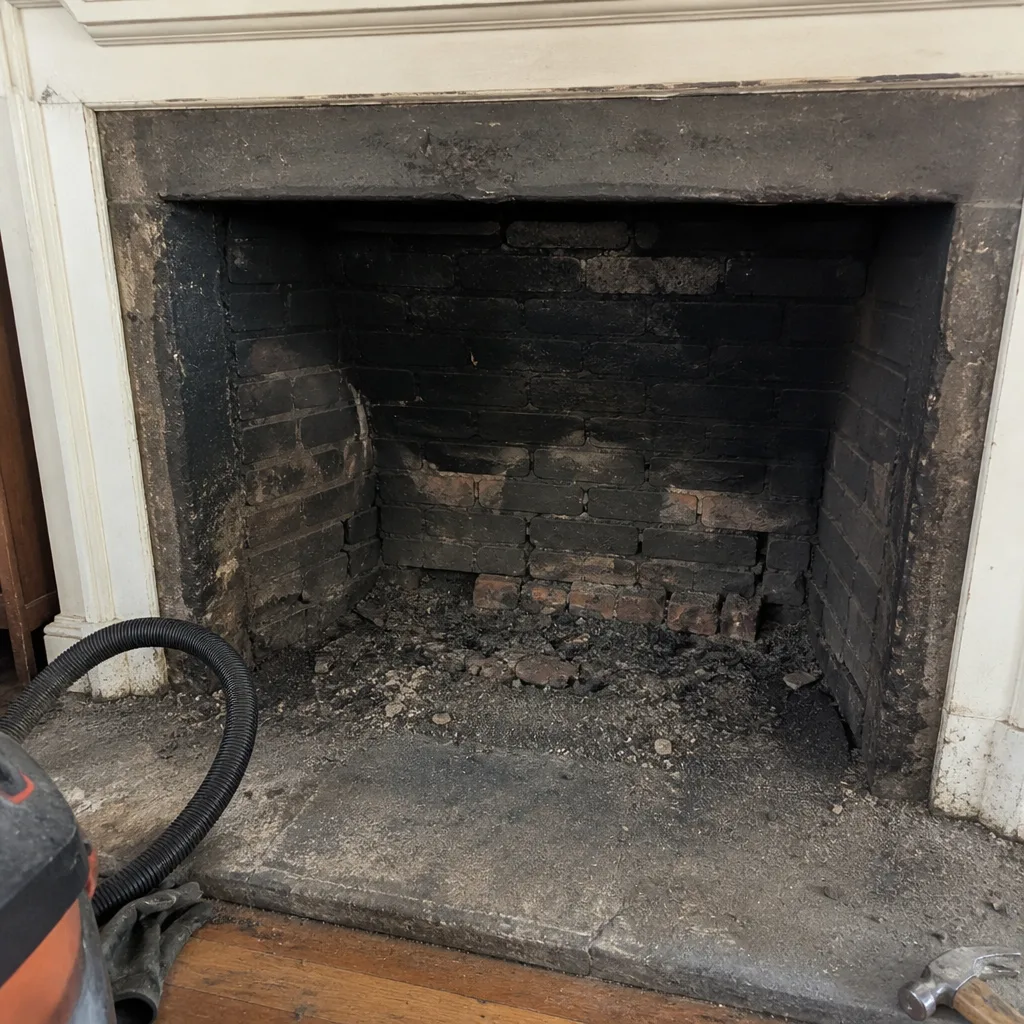
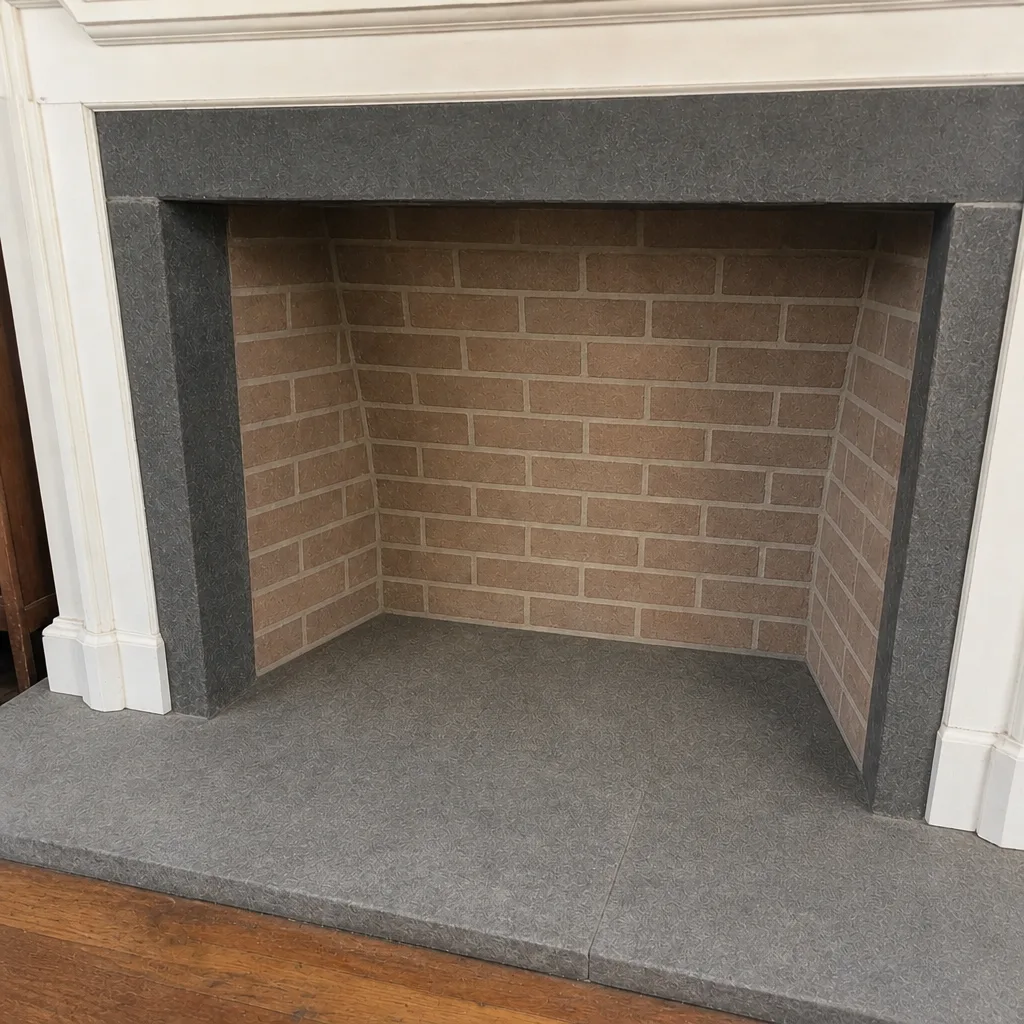
See the difference
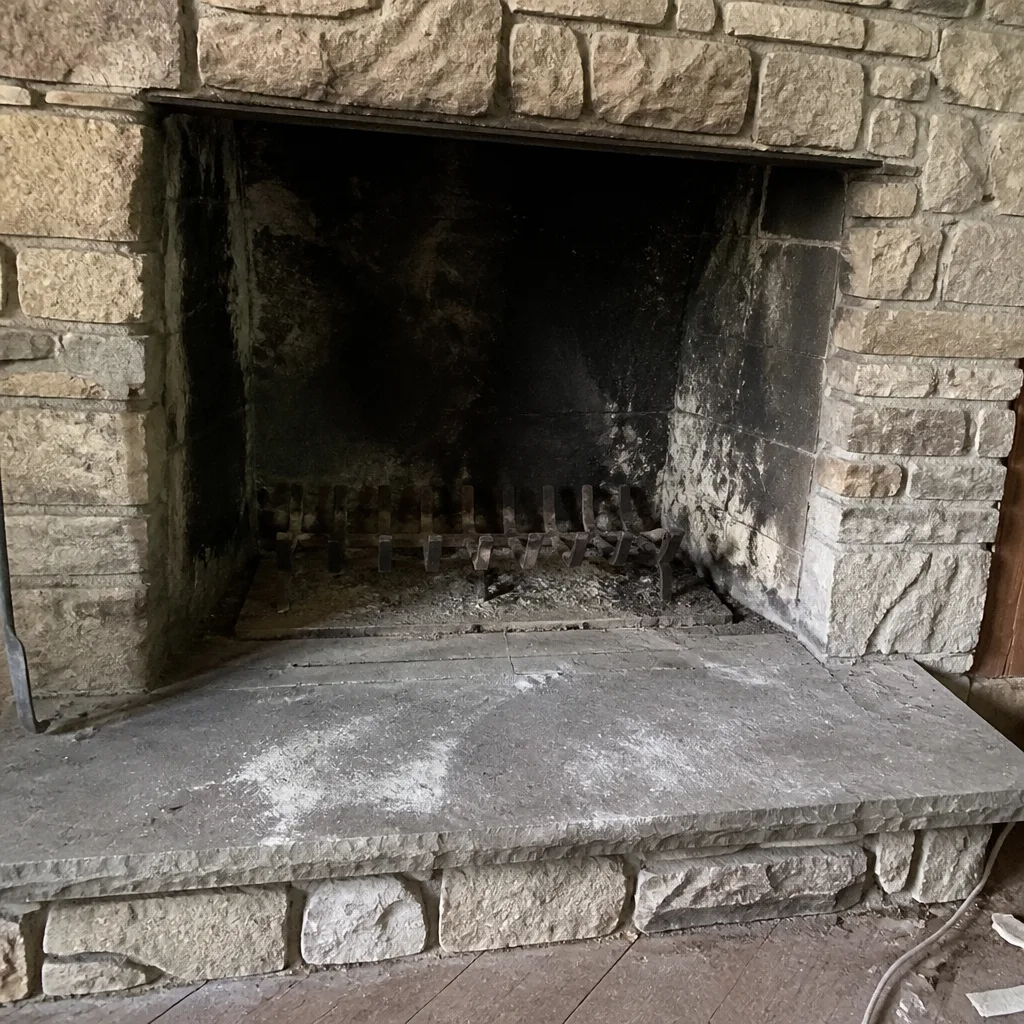 Before
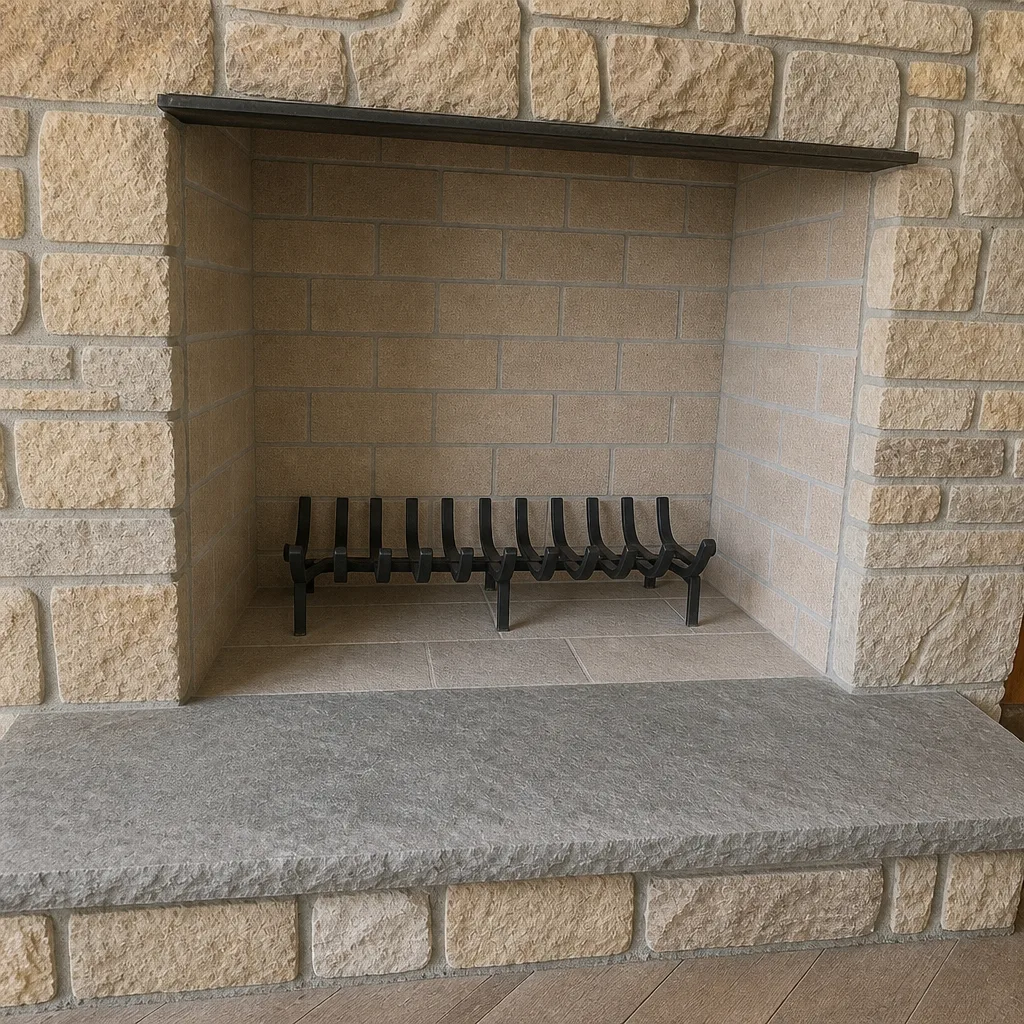 After
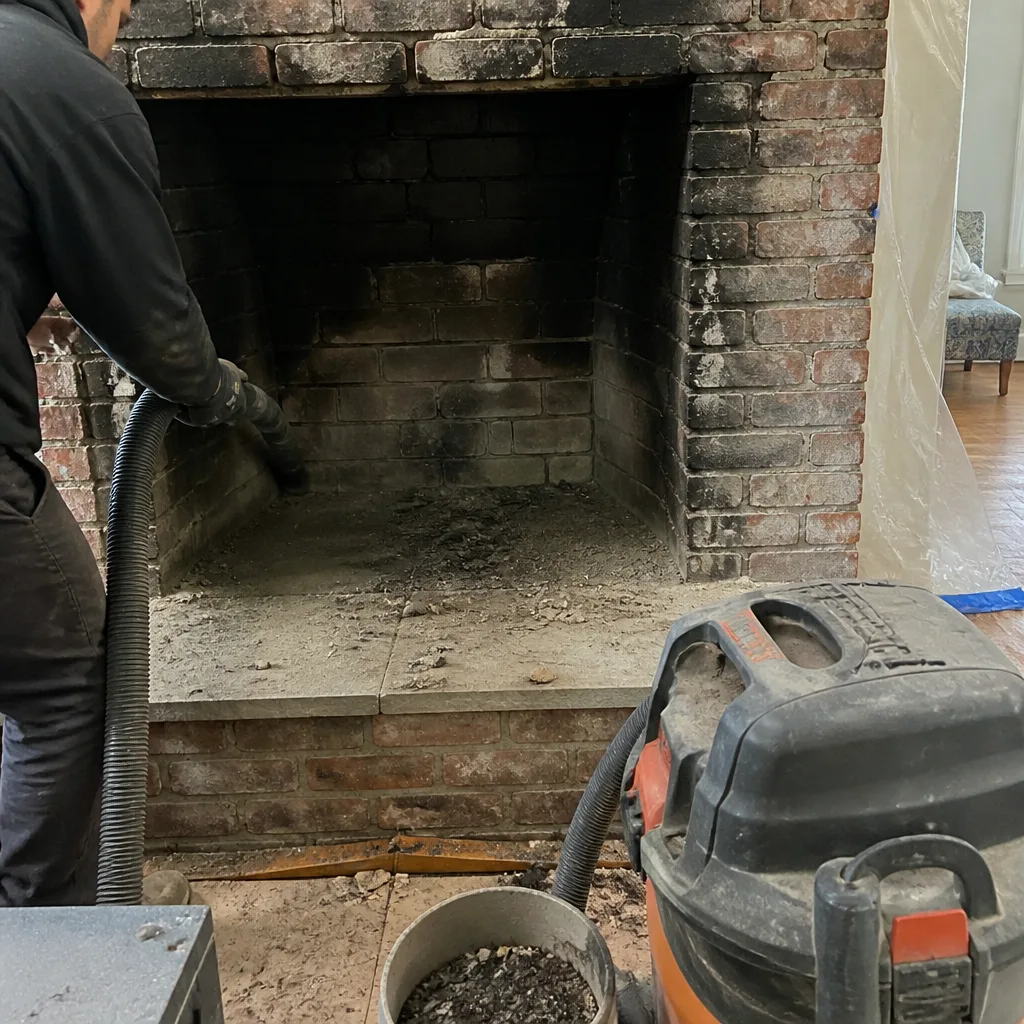 Before
 After
 Before
 After
When to Call a Professional
Some seasonal checks you can do yourself: look at the cap from the ground, watch the smoke on a cold start, note any new smell. But call a professional when the roof comes into play, when the flue needs to be seen, or when anything in the system has changed. Specifically, call if you haven’t had the chimney swept and inspected in a year; if you’ve noticed cracks in the crown, spalling brick or loose mortar; if draft has weakened or smoke backs into the room; if there’s visible creosote or a lingering smoky odor; or if a cap is loose and rain is getting in. Anything involving the liner or masonry should be assessed by a trained technician with a camera, not guessed at from the hearth. Chimney Sweep Bedford Park offers free estimates in Bedford Park. Call (866) 937-7520. We answer 24/7. Fast dispatch from 7am to 7pm, Sunday through Friday.
Frequently Asked Questions
The best time to schedule a chimney sweep in Bedford Park is September or early October, before the heating season starts. A September sweep gives you the same cleaning as a November one, but it also gives you weeks of lead time to fix anything the inspection turns up, whether that’s a cracked crown, a failing liner or a damper that needs work. Booking in November leaves you choosing between a rushed repair or a season without the fireplace. Call (866) 937-7520 for an exact quote; the estimate is free.
Most chimneys used regularly for wood burning should be cleaned once a year, and more often if you burn a lot or notice significant creosote buildup. The annual sweep is the baseline, and it’s best paired with an inspection so you know the condition of the flue, liner and crown, not just that the flue was brushed. If you burn frequently through winter, ask whether your usage warrants more than one cleaning. Call (866) 937-7520 and we’ll talk through your situation.
Some summer work can be done, and some has to wait if a chimney swift nest is present. Chimney swifts are federally protected, and an active nest in your flue means flue work can’t legally proceed until the birds have left. Cap and crown work on the exterior can often still happen, and an inspection in summer is a good way to find out what’s there and plan the work for the earliest legal window. Call and ask before booking summer flue work.
Freeze-thaw damage shows up as cracked mortar joints, brick faces that are flaking or popping off (spalling), and hairline cracks in the crown, especially where it meets the flue. Winter drives moisture into the masonry and the freeze cycle pushes it apart, and Bedford Park’s humid air near the Sound means masonry dries more slowly between storms. A spring inspection catches it while it’s still cheap to repair. Call (866) 937-7520 for a free estimate.
Sometimes the liner can be resurfaced rather than replaced, and the inspection tells you which. We use HeatShield for liner resurfacing, a system designed for long-term structural restoration, and DuraFlex when a full relining is the right answer. The decision rests on camera evidence you can see for yourself, not a guess. Nothing is recommended without that evidence, and if work can safely wait, we’ll say so. Call (866) 937-7520 for an exact quote.
Skipping it lets creosote build up and small crown and cap problems go unaddressed through a wet fall and a freezing winter, which is how a cheap repair turns into a structural one. Creosote buildup is the mechanism behind chimney fires, and a blocked or damaged flue raises carbon monoxide risk. None of that is a reason to panic; it’s a reason to keep the annual sweep and inspection on the calendar. Call (866) 937-7520 to book it.
The Bottom Line
Chimney care in Bedford Park isn’t a single annual event; it’s a year-round rhythm. Inspect and repair in spring while the heating season is behind you. Work around protected chimney swifts in summer and use the clear months for cap, crown and liner work. Sweep in September, not November, so any repair has lead time before cold sets in. Monitor draft, smoke, odor and creosote through winter, and stop burning when something changes. The humid air near the Sound makes water intrusion a higher priority here than inland, so caps and crowns earn their keep. Keep the rhythm and you’ll catch problems while they’re small.
One company, every service your chimney needs, from the annual sweep to structural repair. Call (866) 937-7520 for a free estimate. We answer 24/7. Fast dispatch from 7am to 7pm, Sunday through Friday.
Written by the team at Chimney Sweep Bedford Park.