
Last updated November 25, 2026
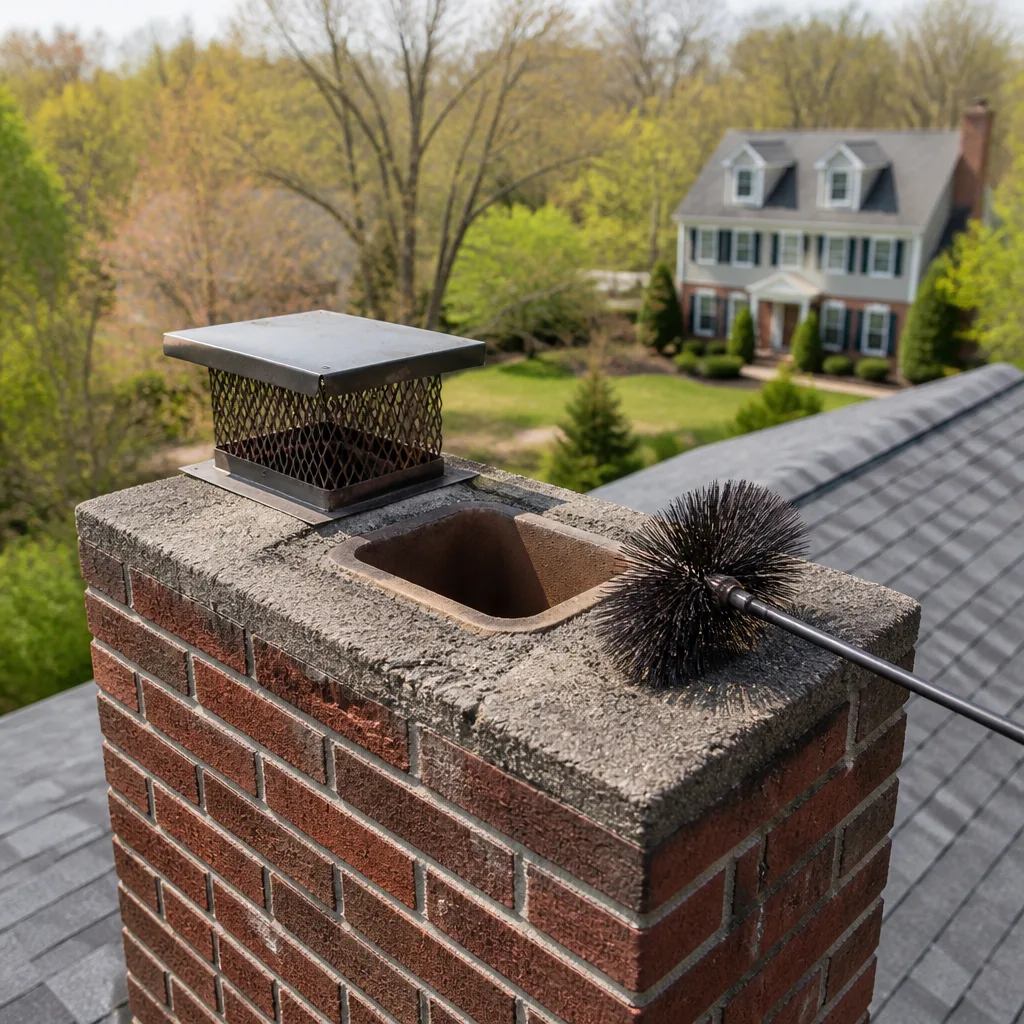 Sweep & inspection
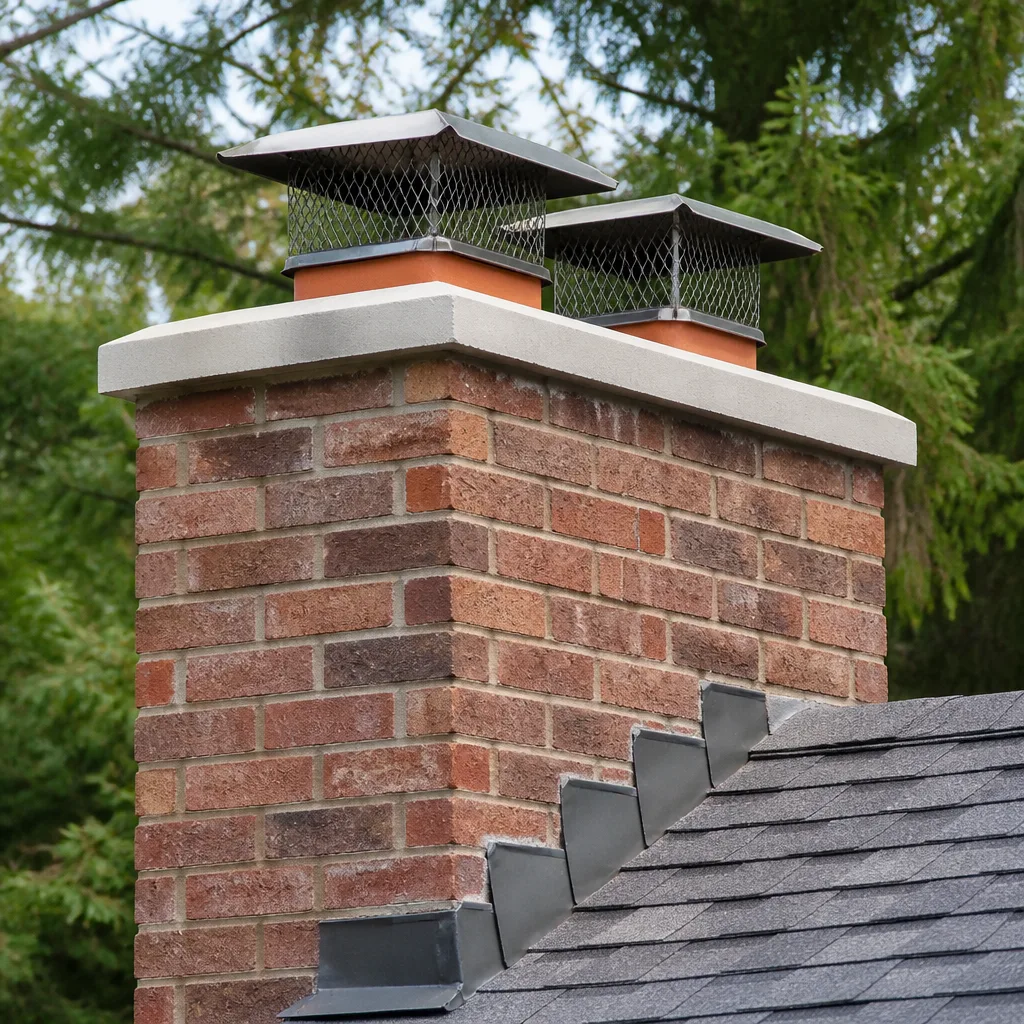 Caps & crowns
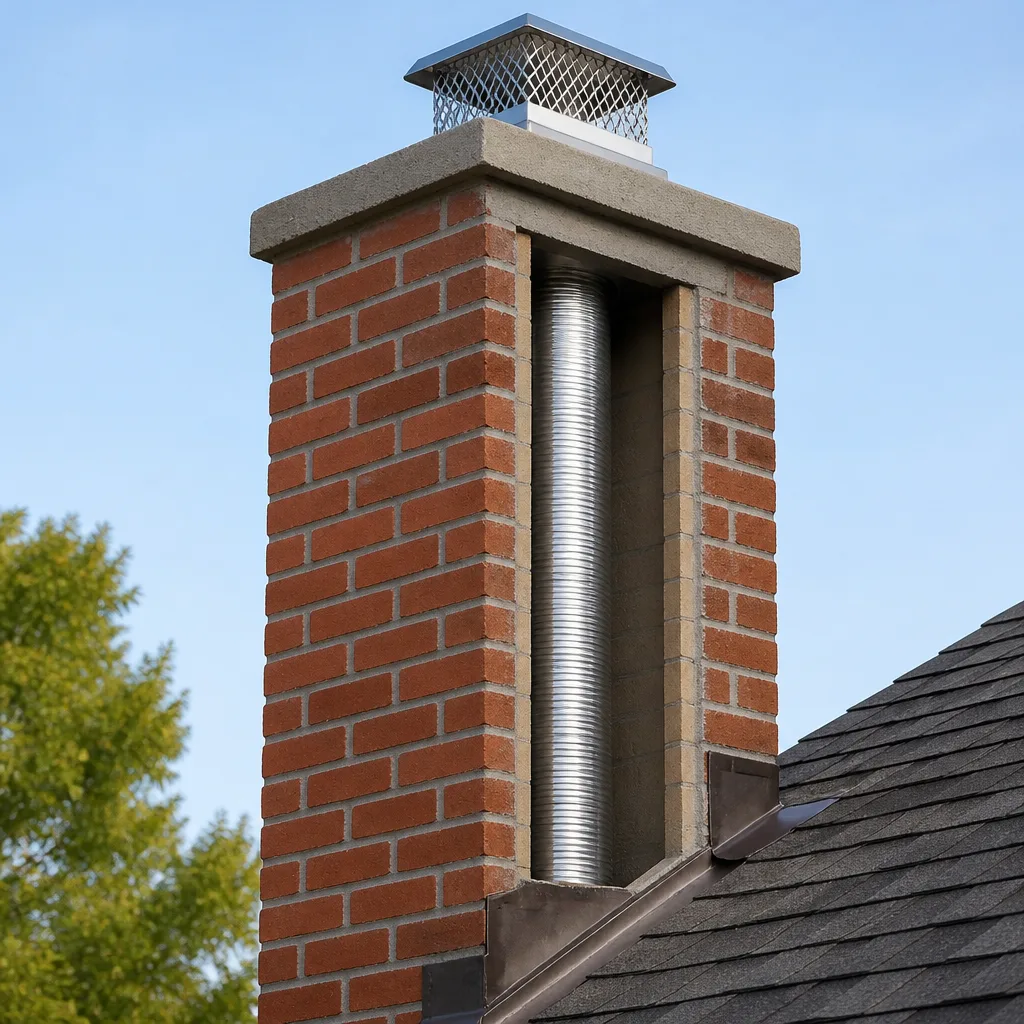 Flue relining
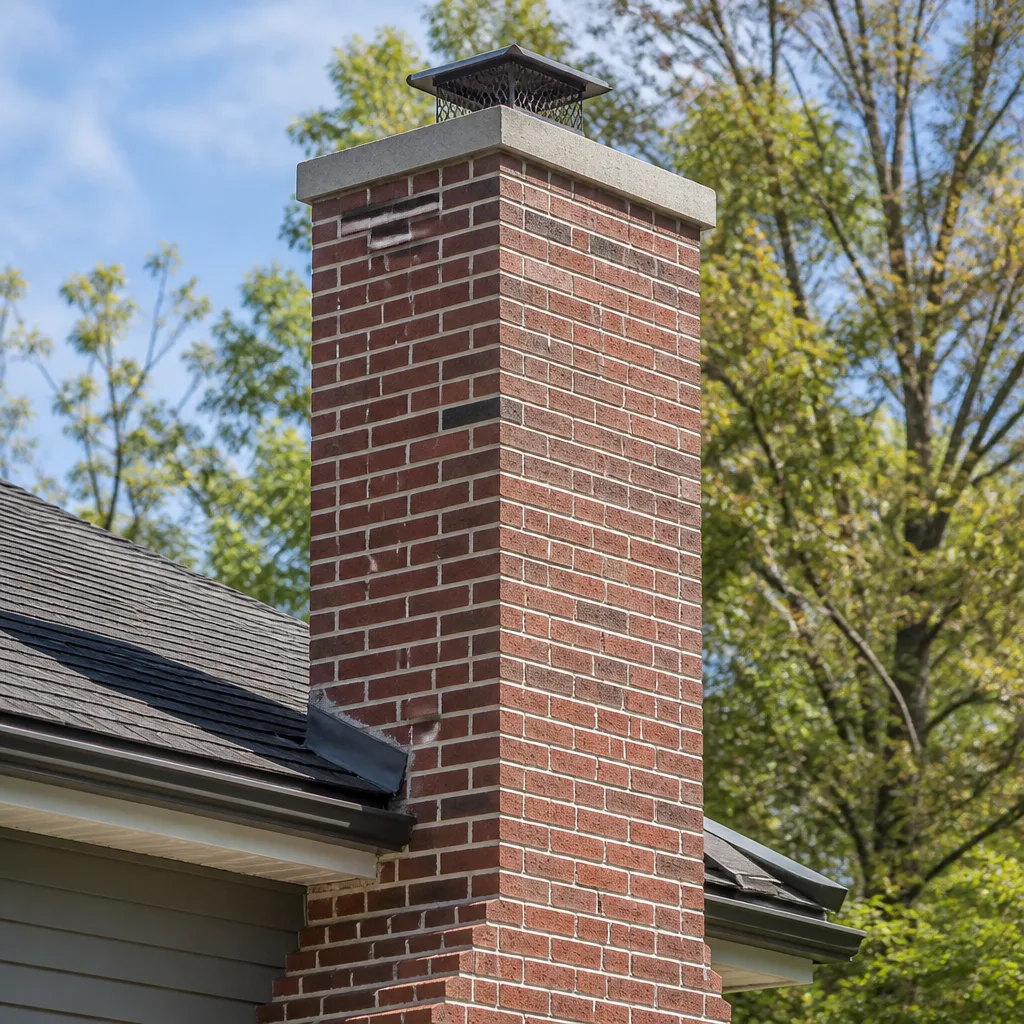 Masonry repair
 Gas fireplace service
Level 1 sweep and inspection to the NFPA 211 annual standard - flue, crown, cap, and flashing checked and photographed
Chimney sweep logs do not sweep chimneys. They loosen some creosote - which then falls where a brush and vacuum still have to collect it.
How to Hire a Chimney Cleaning Contractor in Bedford Park: A Step-by-Step Guide
The chimney trade has almost no barrier to entry. Anyone can buy a brush and a shop vacuum and print “certified sweep” on a website by Friday. That’s the uncomfortable part of hiring in Bedford Park, and it’s why the questions you ask matter more than the quotes you collect. Some credentials cost a contractor real training to earn and nothing at all to fake on a landing page. This guide shows you how to check the ones that can be verified, how to read a quote for what it actually promises, and how to tell a full-service chimney specialist from a good handyman with a ladder. You’ll finish knowing exactly what to ask before you ever pick up the phone.
Quick Answer
To hire a chimney cleaning contractor in Bedford Park, verify certification through the official registry rather than the contractor’s website, confirm current general liability and workers’ compensation insurance with a certificate that names you as additionally insured, and get a written scope of work that states what will be cleaned, inspected and photographed. The lowest bid usually reflects a shorter scope of work, not greater efficiency, so compare quotes on what they include, not what they cost.
Styles & brands we work with
- Sweep & inspection
- Caps & crowns
- Flue relining
- Masonry repair
- Gas fireplace service
Table of Contents
- How do you verify a chimney sweep’s credentials?
- What insurance should a chimney contractor carry?
- How do you read a chimney cleaning quote?
- What are the red flags in a chimney quote?
- How do you tell a chimney specialist from a handyman?
- Why do the materials in your chimney matter?
- What questions should you ask before booking?
- What’s specific to hiring in Bedford Park?
How do you verify a chimney sweep’s credentials?
You verify a chimney sweep by looking the contractor up in the certifying body’s own public registry, not on the contractor’s website. The Chimney Safety Institute of America maintains a searchable list of certified sweeps, and the National Fireplace Institute maintains one for hearth appliance specialists. Both take under two minutes to check. If a contractor claims certification and can’t be found in the registry, that’s your answer.
Here’s the sequence we suggest:
- Get the exact name on the certification. Not the company name – the individual technician’s name. Certifications belong to people, not to trucks.
- Search the CSIA registry for that name. The listing confirms the certification is current, not expired.
- Check the NFI registry if you have a wood stove, pellet insert or gas appliance. It covers different equipment than CSIA does.
- Ask who actually does the work. If the certified person doesn’t come to your home, the certification is marketing.
- Ask what happens after a sweep. A certified sweep should offer a documented inspection as a distinct step, with photos you can see.
Why the skepticism? Because a website badge is a JPEG that anyone can place on a page. A registry entry is a record that takes training to earn and gets removed when it lapses. That difference is the whole point of checking.
One more thing worth checking: manufacturers’ installation credentials. Liner systems and resurfacing products have their own training and approved-installer lists. If a contractor says they install a specific liner brand, ask whether they’re listed with that manufacturer. The answer tells you whether you’re getting an installer or an experiment.
What insurance should a chimney contractor carry?
A chimney contractor working on your home should carry general liability insurance and workers’ compensation coverage for anyone on the property. General liability protects your house if something gets broken or damaged. Workers’ compensation protects you if a technician is injured on your roof or in your fireplace opening. Roof work, ladder work and interior demolition on a masonry chimney carry real risk, and without coverage that risk can land on you as the homeowner.
A verbal “we’re fully insured” is not verification. What you want is a certificate of insurance, sometimes called a COI, and you want it to do three specific things:
- Name the policyholder exactly as the contractor you’re hiring
- Show current effective and expiration dates
- Name you as additionally insured for the duration of the job
That last point is the one most homeowners don’t know to ask for. Being listed as additionally insured means you have a direct claim path under the policy if something goes wrong during the work, rather than relying on the contractor to advocate for you with their own insurer.
Workers’ compensation is the piece people forget. If a helper falls from your roof and the company doesn’t carry workers’ comp, the injury can turn into a claim against your homeowners policy. Ask for the certificate to show workers’ comp coverage separately from general liability. A legitimate operation produces this paperwork without hesitation. If a contractor stalls, deflects or says the certificate is “being renewed,” that’s not a document problem, it’s a risk problem.
Keep copies of everything. You may never need them, and that’s the point.
How do you read a chimney cleaning quote?
You read a chimney cleaning quote by comparing scope, not price. Two quotes for “a full cleaning” can describe wildly different amounts of work, and the phrase itself isn’t a legally defined contract term. A written quote that says only “chimney sweep – $X” obligates the contractor to very little. A quote worth accepting names the flue, states whether the firebox and smoke chamber are included, and says what the inspection covers.
Use this checklist against every quote you receive:
- Which flue, exactly. A home with a fireplace and a separate furnace flue has more than one. “The chimney” is ambiguous.
- Level of inspection. Basic visual inspection through the firebox, or a full inspection that includes the roof and crown? They are different jobs.
- What the inspection produces. A verbal summary, or a written report with photos you keep?
- Access and protection. Drop cloths, a vacuum rated for fine ash, and how they plan to keep soot out of the room.
- Crown and cap assessment. These two components are the most common sources of water damage in a chimney. Any quote that ignores them is incomplete.
- What’s excluded. Repairs discovered during the sweep should be quoted separately in writing, not bundled into the original number.
The line you’re looking for is not a discount. It’s specificity. A quote that says “sweep first flue, inspect firebox, smoke chamber and crown, photo report within the visit, any recommended repairs quoted in writing before work” tells you the contractor has a defined process. A one-line quote tells you they have a brush and a schedule.
If the scope looks thin, ask them to expand it. A specialist will happily write it out longer, because the expanded version is what they intended to do anyway.
What are the red flags in a chimney quote?
The biggest red flag in chimney work is a quote that is precise about price and vague about scope. Chimney work touches masonry, metal liners, crowns and fireboxes, so a contractor who can quote you a number without looking at those things is guessing, or planning to do less than you think. Below are the signals we’d want you to notice.
- “Full cleaning” with no scope. The phrase doesn’t define the flue, the firebox or the inspection. Ask for it spelled out, and if the contractor resists, move on.
- A price quoted before anyone looked. Sight-unseen pricing on a chimney is a schedule risk. A reputable contractor either inspects first or quotes clearly as a starting point pending inspection.
- Liner or masonry work recommended on a first visit with no camera evidence. Liner replacement is significant work. Nobody should recommend it without photos you can review. Ask to see the camera footage or the photo report before agreeing to anything.
- No written inspection report. If the sweep ends and you get a verbal “all good,” you have no record and no leverage. A written report with photos is the standard, not the upgrade.
- Pressure to book a repair before leaving. Legitimate repair recommendations can wait for a written quote. It’s fine to be told something needs work next season.
- No insurance certificate on request. This is the fastest disqualifier in the trade. See the section above.
- A quote much lower than everyone else’s. In chimney work that almost always means a shorter scope of work, not a more efficient crew. The missing item is usually the inspection, the photo report or the crown and cap assessment.
None of these are matters of taste. Each one maps to a specific piece of the job that either gets done or doesn’t, and the homeowner is the person who can’t tell the difference after the fact.
How do you tell a chimney specialist from a handyman?
You tell a chimney specialist from a handyman by what happens after the sweep. A handyman’s job ends with a clean flue. A chimney specialist’s job includes the crown, the cap, the firebox, the smoke chamber and the liner system, and the contractor should be able to talk about all of them as separate parts of one combustion system. A chimney is not a vertical pipe. It’s an engineered system, and the trades that make up that system are different from general carpentry and roofing.
Ask three diagnostic questions and listen carefully:
- “What does my smoke chamber look like, and what would you do about it?” The smoke chamber is the sloped area above the firebox where smoke rolls before it enters the flue. It’s a common source of draft problems, and it’s not something a handyman is trained to address. A specialist will have a specific answer about resurfacing.
- “Why would you choose one liner system over another for my flue?” Liner type depends on the appliance, the flue’s shape and condition, and the fuel. A specialist can explain the reasoning. A generalist will name a product like it’s the only one.
- “Which brands do you install, and why those?” The answer should reference specific manufacturers and the specific problem each product solves. Generic mention of “high-quality materials” is not an answer.
There’s a structural test, too. Ask whether they handle chimney repair, chimney cap & crown work, fireplace repair and inspection as ongoing services, not as referrals. If the answer is “we can refer you,” you’re not hiring a chimney specialist. You’re hiring a scheduler with a middleman attached. A full-service chimney contractor handles the whole system so nothing gets lost in the handoff between trades.
Why do the materials in your chimney matter?
Materials matter because chimney work is a long-term install, not a quick patch. When a liner, a crown or a cap goes in, it should stay there for a long time in conditions that are genuinely hostile: heat cycling from the firebox, moisture from above, freeze-thaw cycles across the seasons, and flue gas chemistry that eats inferior materials faster than homeowners expect. A contractor who treats material selection as an afterthought is treating the worst possible environment as a casual one.
In our work in Bedford Park, we choose products from manufacturers whose whole business is chimney systems. DuraFlex makes flexible liner systems. Olympia Chimney supplies liner and venting components. HeatShield is a resurfacing system designed to restore a damaged flue from the inside when a full reline isn’t the right answer. Gelco and Famco manufacture caps and covers built for weatherproofing, which is the specific job a chimney cap has. Each of these is a professional-grade product chosen for the condition it addresses, not because it was on sale.
What that means for hiring is simple. Ask what brand a contractor intends to install and why that product fits your chimney. Two follow-up questions to listen for:
- Does the answer mention your flue’s specific condition? “It’s a good product” is not the same as “your flue is seven inches oval and this liner handles that shape without a masonry tear-out.”
- Would they recommend a repair over a replacement when that’s appropriate? Resurfacing a flue with a system like HeatShield is a materially different recommendation than a full reline. A contractor who offers both knows the difference and will explain why one fits your chimney and the other doesn’t.
The homeowner’s job here isn’t to become an expert on every product. It’s to notice whether the contractor respects the environment the product is going into. If they don’t, keep looking.
What questions should you ask before booking?
Ask these questions by phone, before anyone is scheduled. The answers take a few minutes to give, and a legitimate contractor will answer them without irritation. What you’re listening for is whether the person on the other end is speaking from process knowledge or reading a script. Specificity is the tell.
The verification questions
- Who will physically do the work at my home, and is that person certified?
- Can you send me a certificate of insurance naming me as additionally insured?
- What’s the exact scope of the sweep, in writing?
The scope questions
- Does the sweep include the firebox and smoke chamber, or just the flue?
- Is an inspection included, and do I get a written report with photos?
- What happens if the inspection turns up something that needs repair?
The experience questions
- Which liner and cap brands do you install, and why?
- Have you worked on masonry chimneys in homes built like mine?
- If I need repair later, do you handle it yourselves or refer it out?
Those last two questions are the ones that separate a chimney sweep from a specialist. Every contractor can do the sweep. Not every contractor can follow through on what the sweep turns up, and the handoff is where scope quietly grows. A company that handles the sweep, the inspection, the repair and the cap and crown work under one relationship closes that gap.
The other reason to ask these questions up front is that your answers set a paper trail before any work begins. If you later need to reference what was promised, you have it in writing.
What’s specific to hiring in Bedford Park?
Bedford Park is a Bronx neighborhood where most of the housing stock is older, and older homes tend to have chimneys that have been modified, relined, or partially repaired over decades. That history matters at hire time. A chimney in an older home might have a clay tile flue that’s cracking, a firebox that’s been patched with mortar more than once, or a crown that’s failing at the joint and letting water into the masonry. A contractor who’s unfamiliar with that housing stock will notice the sweep-and-go parts and miss the rest.
Climate plays a role here too, and it’s worth understanding before you pick someone. The northeast freeze-thaw cycle is hard on masonry. Water soaks into a cracked crown or a missing cap, freezes, expands, and opens the crack wider each season. Over several winters, that pattern turns a small $ area of repaired mortar into a structural job. This is why cap and crown work isn’t cosmetic. It’s the cheapest line of defense against the most expensive category of chimney problem.
What that means for hiring in Bedford Park specifically:
- Ask how they handle water intrusion. The answer should mention caps and crowns by name, not just “sealing.”
- Ask about inspection depth on older masonry. A visual check through the firebox is not enough in a house with decades of prior work.
- Ask whether repairs come with photo evidence. You’re the one who has to decide if a liner job is worth doing. You need to see what they see.
- Ask about the smoke chamber. Smoke chamber repairs are one of the most commonly skipped parts of the job, and the source of a lot of draft complaints in older homes.
None of this is meant to make the work sound complicated. It’s meant to make the hiring conversation simpler. A specialist will recognize all of this immediately. A generalist will not, and you won’t know the difference until something they missed becomes something you’re paying for.
Common Mistakes to Avoid
- Accepting a verbal certification claim. Website badges are free. Check the CSIA and NFI registries yourself before booking, and confirm the certified person is the one coming to your home.
- Skipping the insurance certificate. “We’re fully insured” is not the same as a COI showing general liability and workers’ comp, with you named as additionally insured. Ask for the document, not the reassurance.
- Choosing the lowest bid without comparing scope. In chimney work, the lower number usually reflects a shorter list of tasks: no inspection report, no cap and crown assessment, no firebox cleaning. You’re comparing apples to a core and a stem.
- Letting a supplier recommend liner work with no camera evidence. Liner replacement is a real expense. Nothing should be recommended unless you can see the photos and the reasoning. If it can safely wait a season, that should be said plainly.
- Treating the cap and crown as optional. These two components are the most common entry points for water damage in Bedford Park’s older housing stock. Skipping them is deferring a masonry bill.
- Hiring a generalist for structural work. A handyman may handle the sweep, but smoke chamber resurfacing, liner installation and crown rebuilding need a specialist’s tools and training.
- Not asking what happens if the inspection finds something. Know in advance whether your contractor can quote and perform the repair, or whether they’ll hand you off to someone else. The handoff is where scope creep lives.
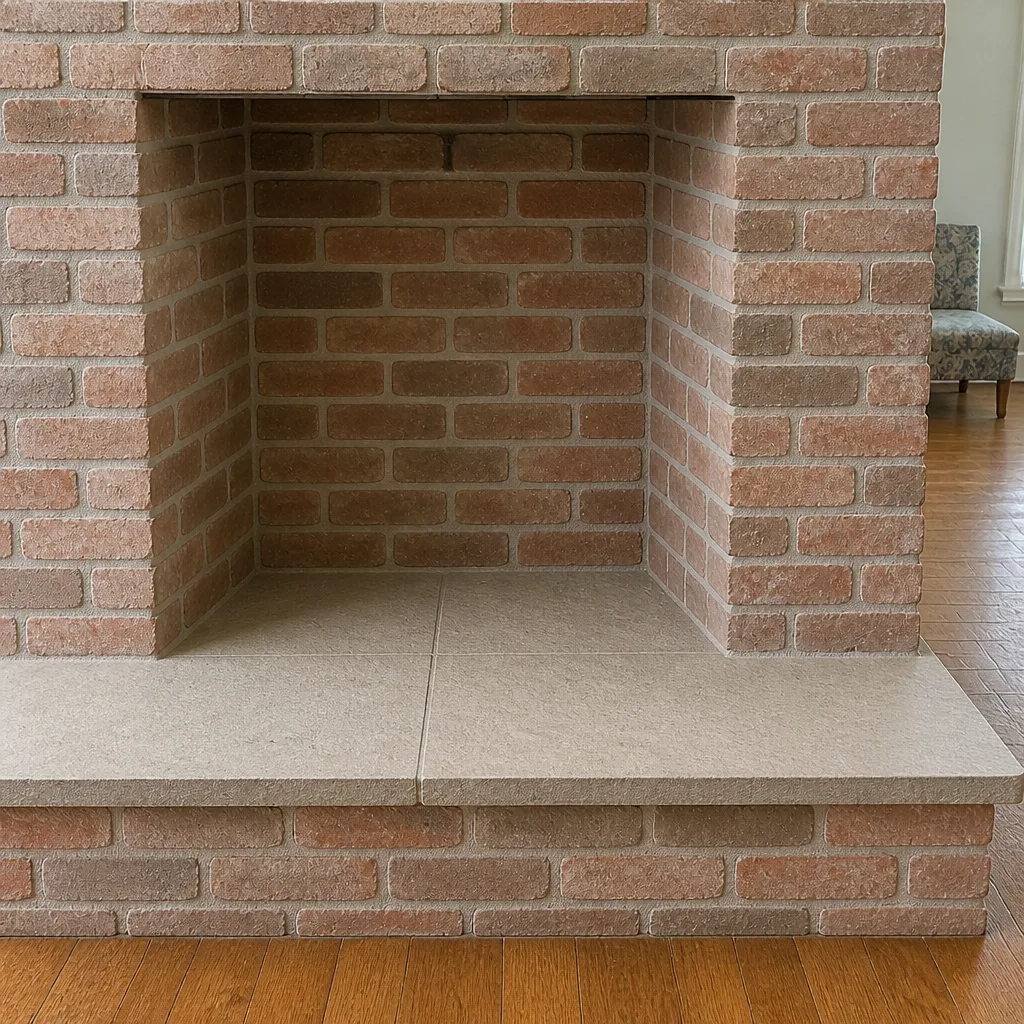
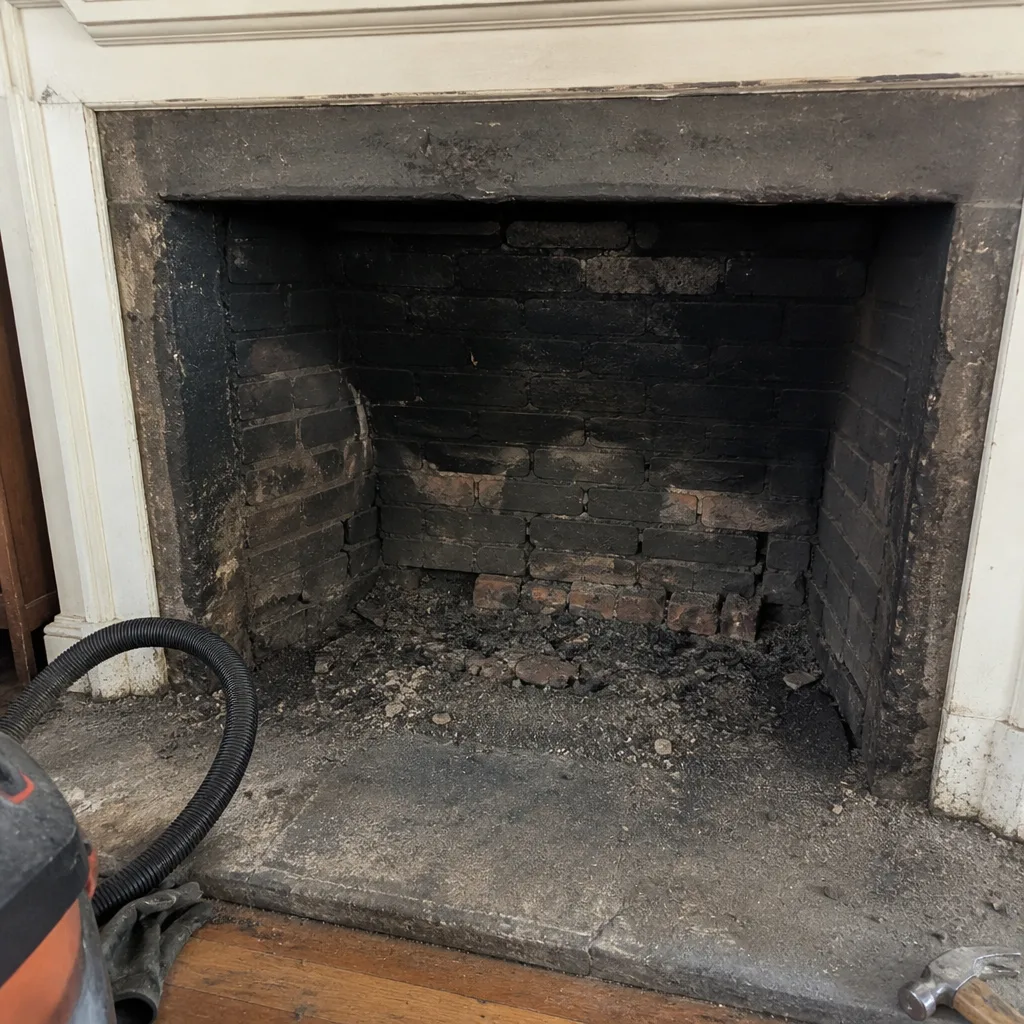
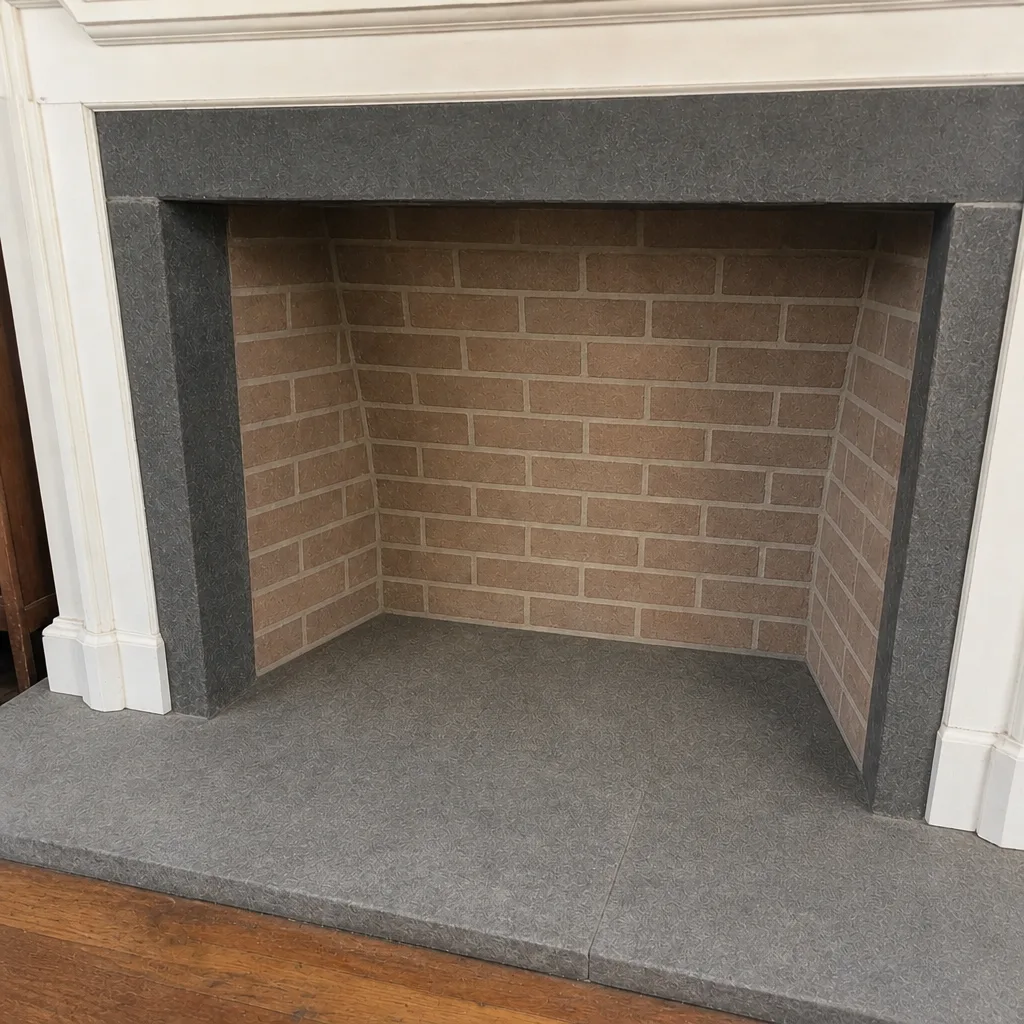
See the difference
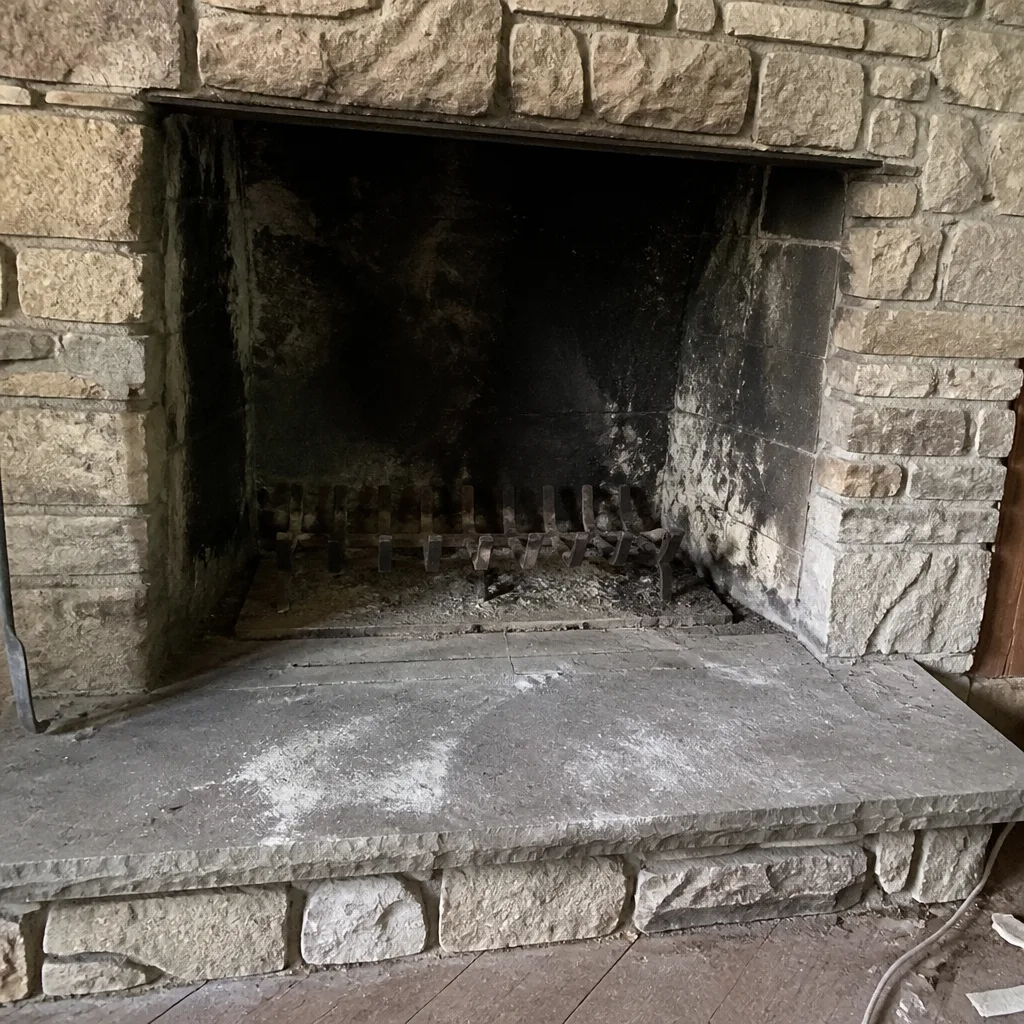 Before
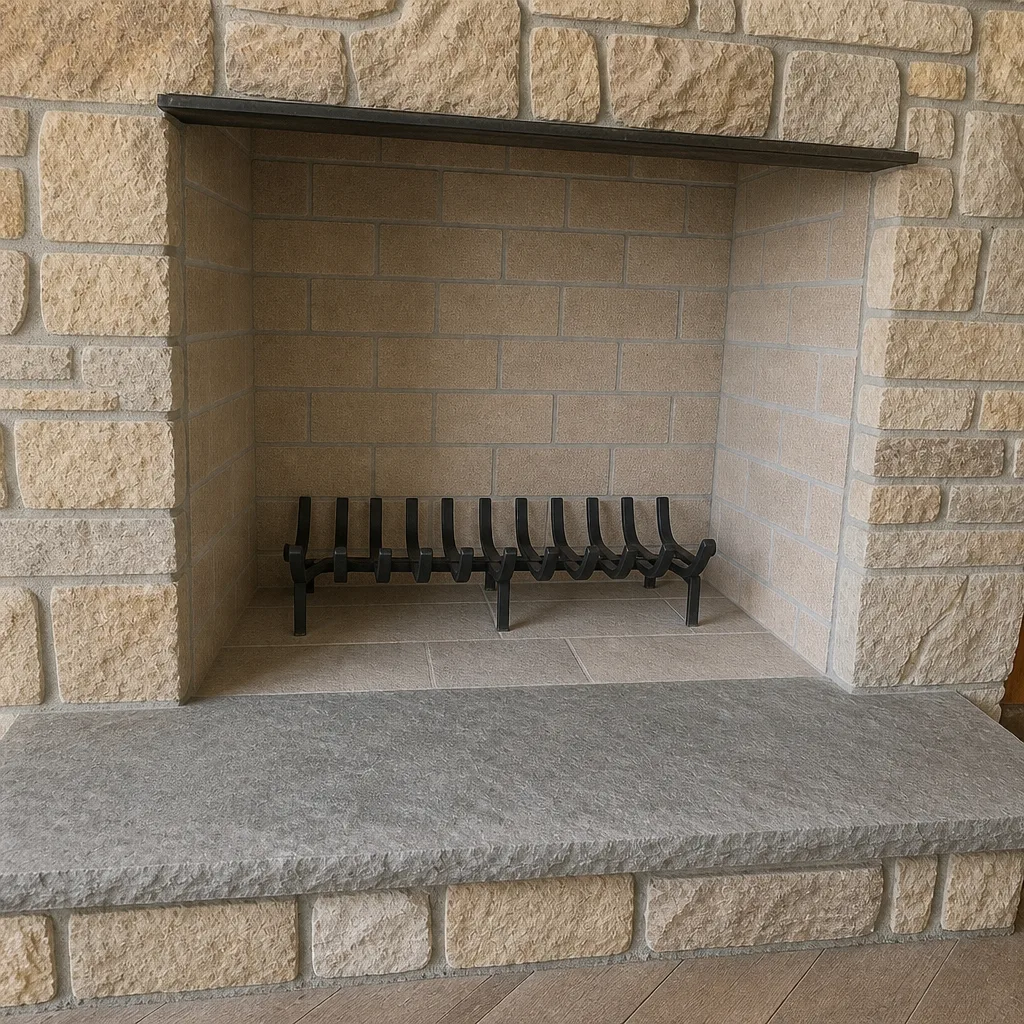 After
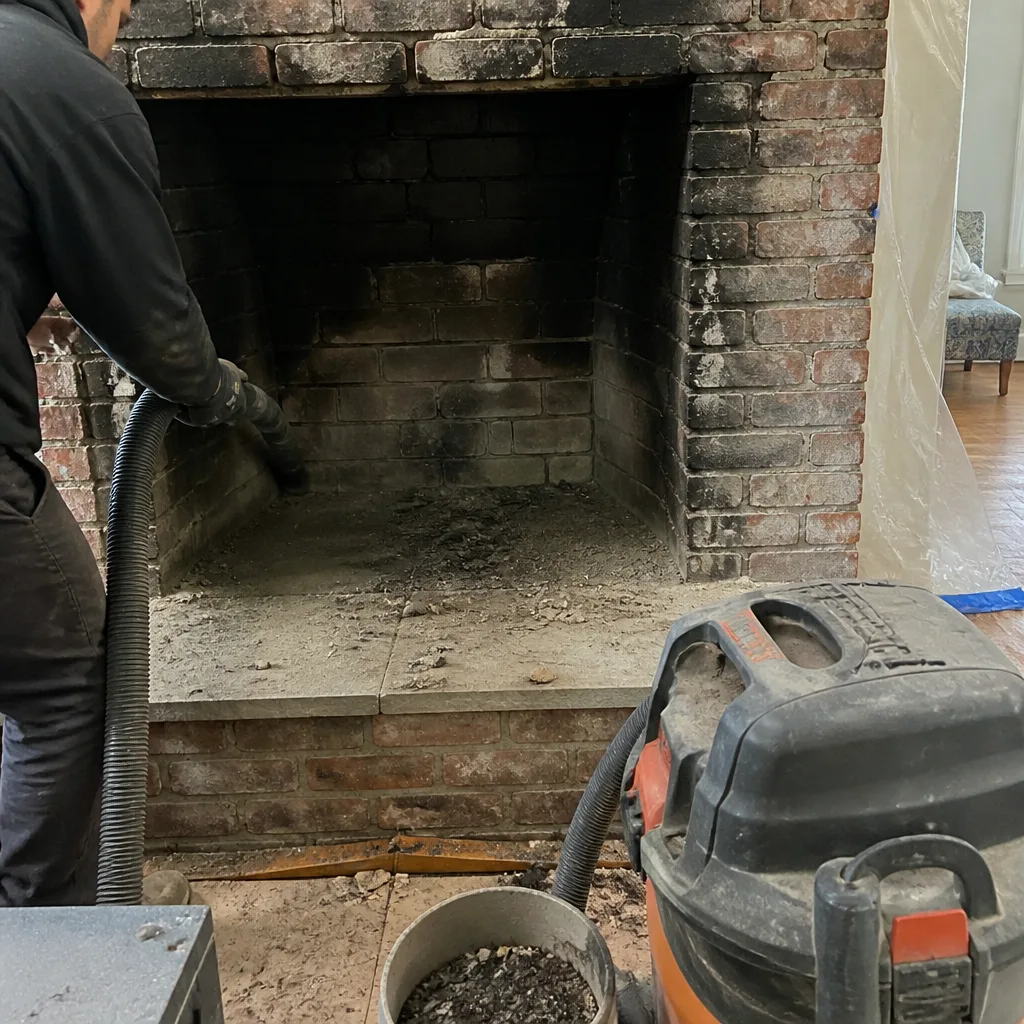 Before
 After
 Before
 After
When to Call a Professional
Call a professional chimney contractor when your fireplace hasn’t been inspected in a season or more, when you’ve noticed draft problems, smoke rolling into the room, soot streaks above the firebox, or water staining on the chimney breast, and when you’ve moved into a home and don’t know the maintenance history. Call also if you’ve had a chimney fire, or if the crown or cap is visibly cracked or missing. Some of these are urgent; some are simply due, and any reputable contractor will tell you which is which. Chimney Sweep Bedford Park offers free estimates in Bedford Park – call (866) 937-7520. We answer 24/7. Fast dispatch from 7am to 7pm, Sunday through Friday.
If you’re not sure whether your situation qualifies as urgent, call anyway. The conversation itself is the answer, and having it costs nothing.
Frequently Asked Questions
Chimney sweeping is priced per job by a written estimate, not by a flat rate, because the scope varies with the number of flues, the amount of creosote, and whether an inspection report is included. Call (866) 937-7520 for an exact quote – estimates are free. We answer 24/7. Fast dispatch from 7am to 7pm, Sunday through Friday.
Only if the existing liner is cracked, deteriorated, improperly sized for the appliance, or missing entirely, and the evidence for that should come from a camera inspection you can see yourself. A flue that’s in solid condition doesn’t need relining, and a contractor should be willing to say so. If relining is recommended, ask to review the photos before anything is scheduled. Call (866) 937-7520 to talk through the options – estimates are free.
A chimney used regularly should be swept and inspected annually, before the heating season begins. If you burn heavily, or you’re burning unseasoned wood, add a mid-season visual check. A chimney that sat unused for a season should be inspected before it’s lit again. Call (866) 937-7520 to book a sweep and inspection – estimates are free.
Creosote builds up in the flue with every fire, and it’s a flammable material, so a skipped season increases the risk of a chimney fire. A cracked crown or missing cap also lets water into the masonry, and the freeze-thaw cycle turns small cracks into larger repairs over a few winters. Neither problem announces itself. That’s the reason the annual inspection exists. Call (866) 937-7520 for an inspection – estimates are free.
Look up the individual technician’s name in the CSIA public registry, and check the NFI registry if you have a wood stove, pellet appliance or gas fireplace. The certification belongs to the person, not the company, so confirm the certified technician is the one who’ll actually be at your home. It takes under two minutes. Then call (866) 937-7520 to book – estimates are free.
You don’t need to be in the room during the work, but you should be available at the end of the visit to review the inspection findings and the photo report. That conversation is the point of the inspection, and it’s how you decide whether a repair is worth scheduling or can wait. Call (866) 937-7520 with any questions – estimates are free.
The Bottom Line
Hiring a chimney contractor in Bedford Park comes down to three things you can verify without expertise: certification you looked up yourself, insurance paperwork in your name, and a written scope that names the flue, the firebox, the crown and the inspection report. Everything else is trust you don’t need to extend. Compare quotes on scope, not on price. Ask about materials by name. And if any part of the recommendation doesn’t come with photos you can see, ask for them before you agree. We use name-brand materials – DuraFlex liners, HeatShield resurfacing, Gelco caps – because what goes into your chimney matters. One company, every service your chimney needs, from the annual Chimney Sweep Bedford Park visit to structural repair.
If you’d like help making the decision, or you just want to talk through what your chimney actually needs, call us at (866) 937-7520 for a free estimate. We answer 24/7. Fast dispatch from 7am to 7pm, Sunday through Friday.
Written by the team at Chimney Sweep Bedford Park.